

dewoitine
SOH-CM-2026
Sorry, in French
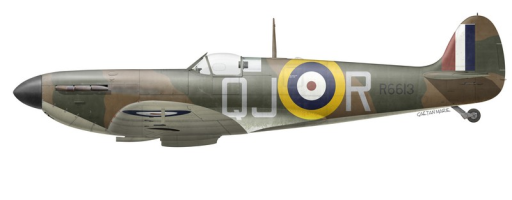
British author and Spitfire enthusiast Greg Davis has reached a major milestone in his ambitious project to restore a Supermarine Spitfire Mk I, started many years ago. The aircraft, the Supermarine Spitfire Mk I serial R6613, has passed the inspection of the British Civil Aviation Authority and is now officially registered G-RRST.
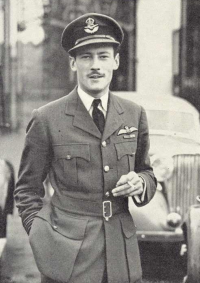
This registration pays tribute to the Squadron Leader Roland Robert Stanford Tuck, who flew the R6613 seven times during the Battle of Britain. The aircraft has a remarkable operational history: on 11 September 1940, it was used to destroy a Messerschmitt Bf 110 before being shot down later that day. Its pilot that day, Jim Paterson, managed to parachute and survived, although he was injured by burns.
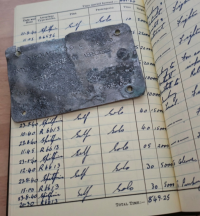
The restoration project is particularly complex and includes more than 200 recovered structures, pieces and fragments, all accompanied by solid original documentation. It also has an additional historical dimension, as the late Peter Arnold was able to contribute to the CAA review process shortly before his death, bringing added weight and credibility to the technical file and approval of the device.
Registration now obtained, Greg Davis has clearly expressed his intention to put the R6613 back in flight condition in its single-seater configuration. To achieve this goal, he is actively seeking an investment partner to secure the funding necessary for the completion of the restoration and return to flight of this Spitfire with a significant historical background. Greg Davis can be reached at ttssp@outlook.com.

British author and Spitfire enthusiast Greg Davis has reached a major milestone in his ambitious project to restore a Supermarine Spitfire Mk I, started many years ago. The aircraft, the Supermarine Spitfire Mk I serial R6613, has passed the inspection of the British Civil Aviation Authority and is now officially registered G-RRST.
This registration pays tribute to the Squadron Leader Roland Robert Stanford Tuck, who flew the R6613 seven times during the Battle of Britain. The aircraft has a remarkable operational history: on 11 September 1940, it was used to destroy a Messerschmitt Bf 110 before being shot down later that day. Its pilot that day, Jim Paterson, managed to parachute and survived, although he was injured by burns.
The restoration project is particularly complex and includes more than 200 recovered structures, pieces and fragments, all accompanied by solid original documentation. It also has an additional historical dimension, as the late Peter Arnold was able to contribute to the CAA review process shortly before his death, bringing added weight and credibility to the technical file and approval of the device.
Registration now obtained, Greg Davis has clearly expressed his intention to put the R6613 back in flight condition in its single-seater configuration. To achieve this goal, he is actively seeking an investment partner to secure the funding necessary for the completion of the restoration and return to flight of this Spitfire with a significant historical background. Greg Davis can be reached at ttssp@outlook.com.