I appreciate it Tom, and thank you Don!
With these aircraft, from the structure, to the skins, to all of the parts that fill it out, from the ground up the goal is to make it just as it was, with exacting attention to detail. It pays off, a ton, when it comes to adding a new part or assembly, and all I have to do is find the original factory drawing, make the part to original specifications, and it fits just perfectly right on or within the existing model, without any additional work.
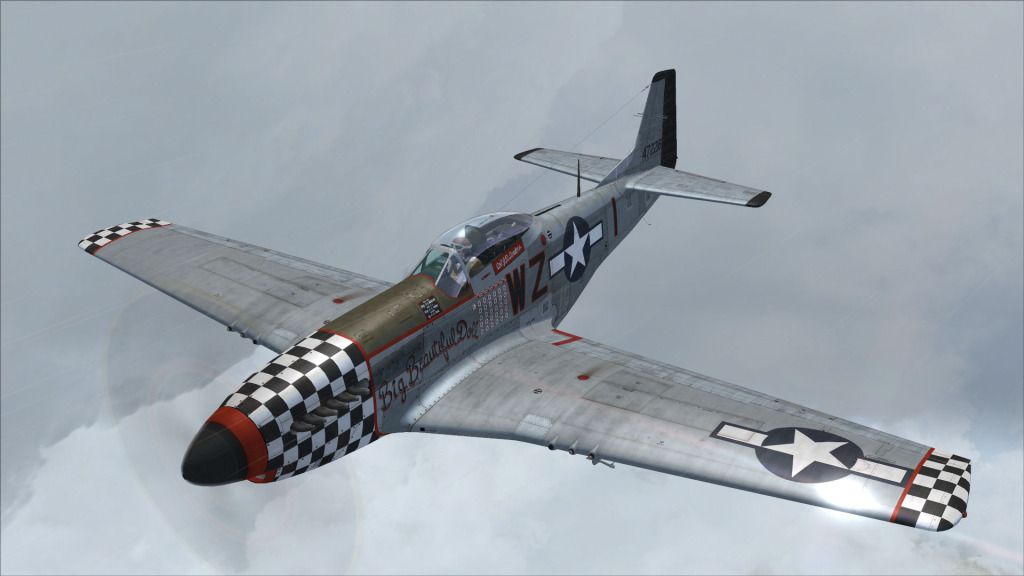
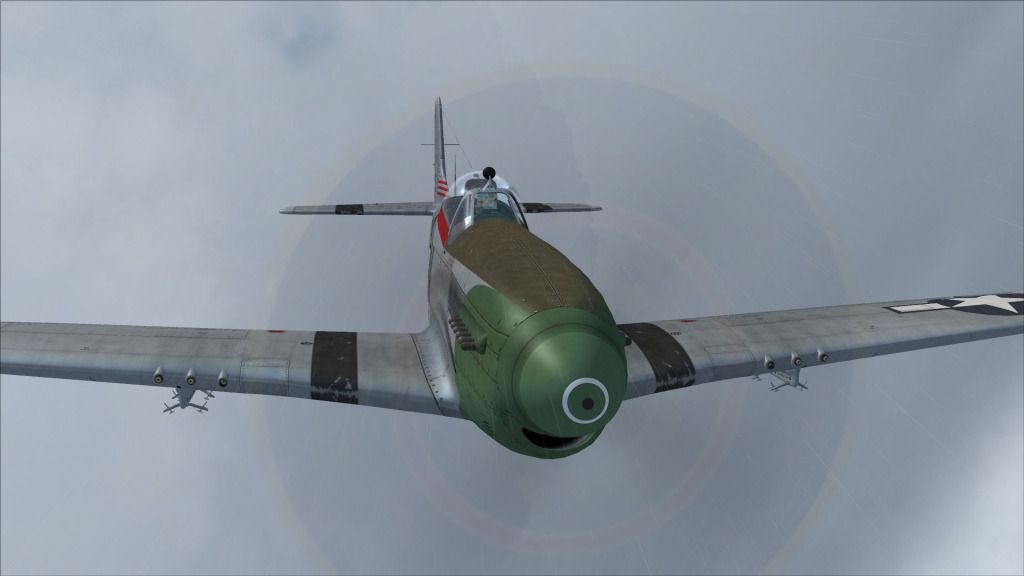
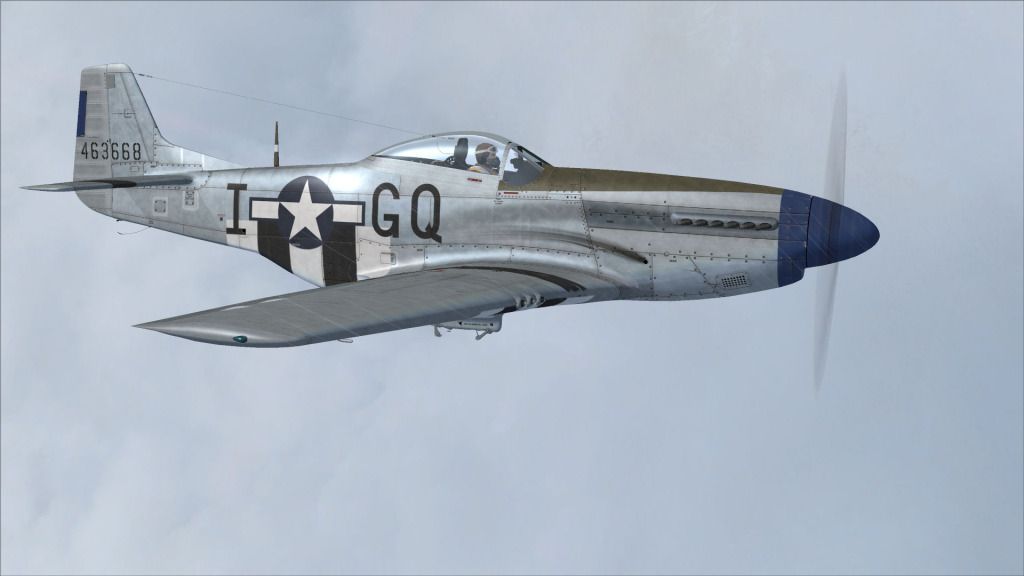
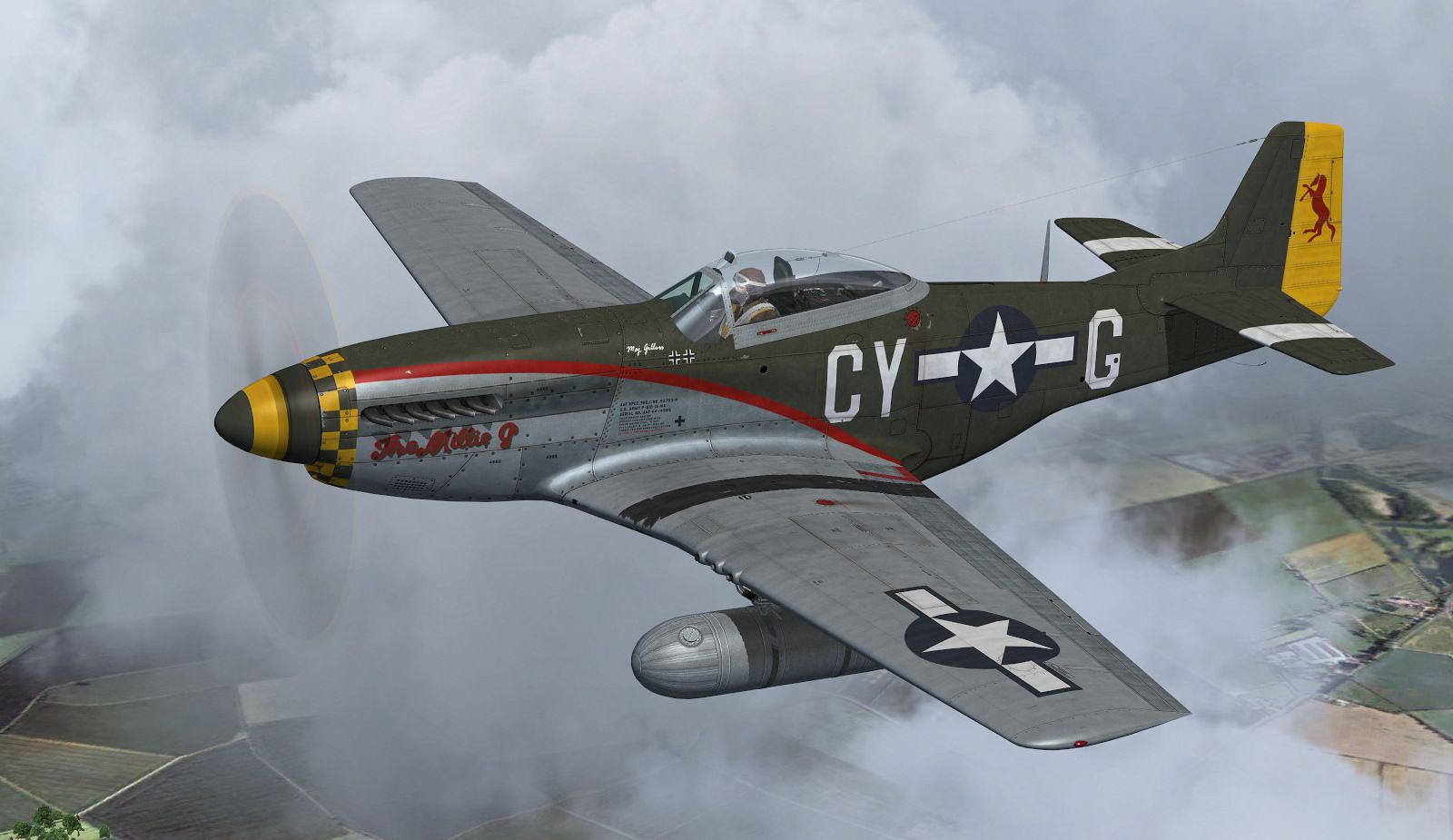
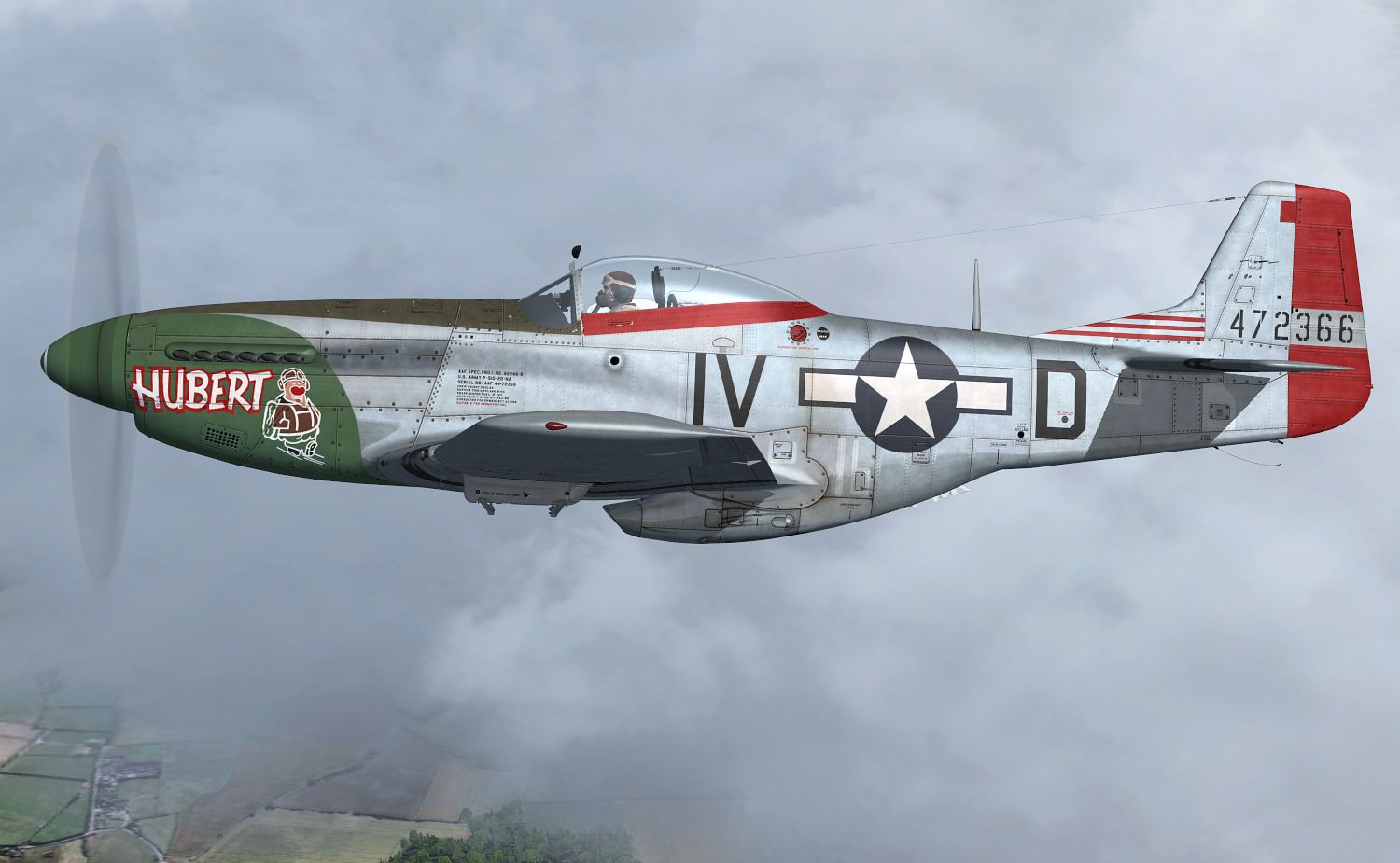
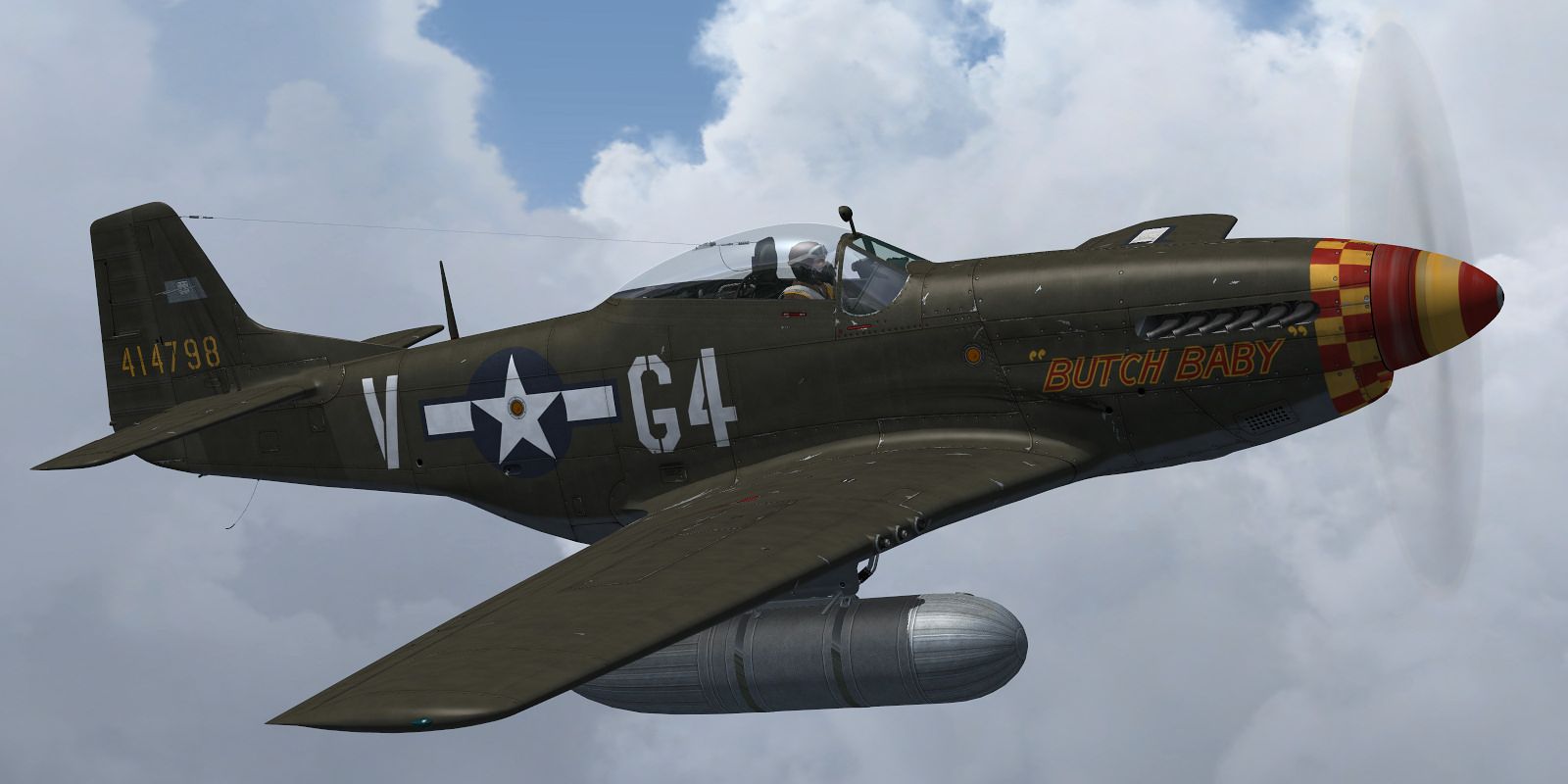
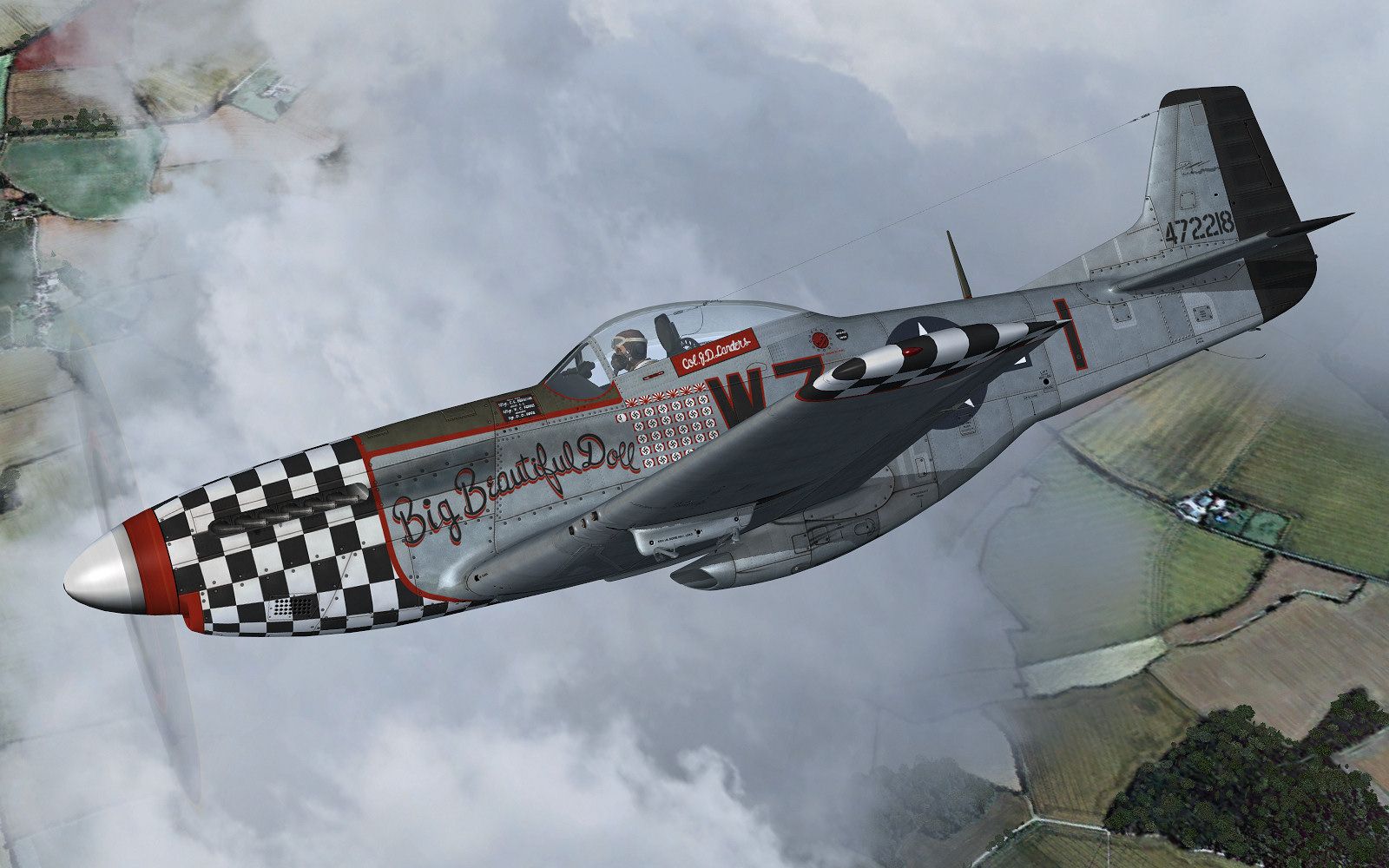
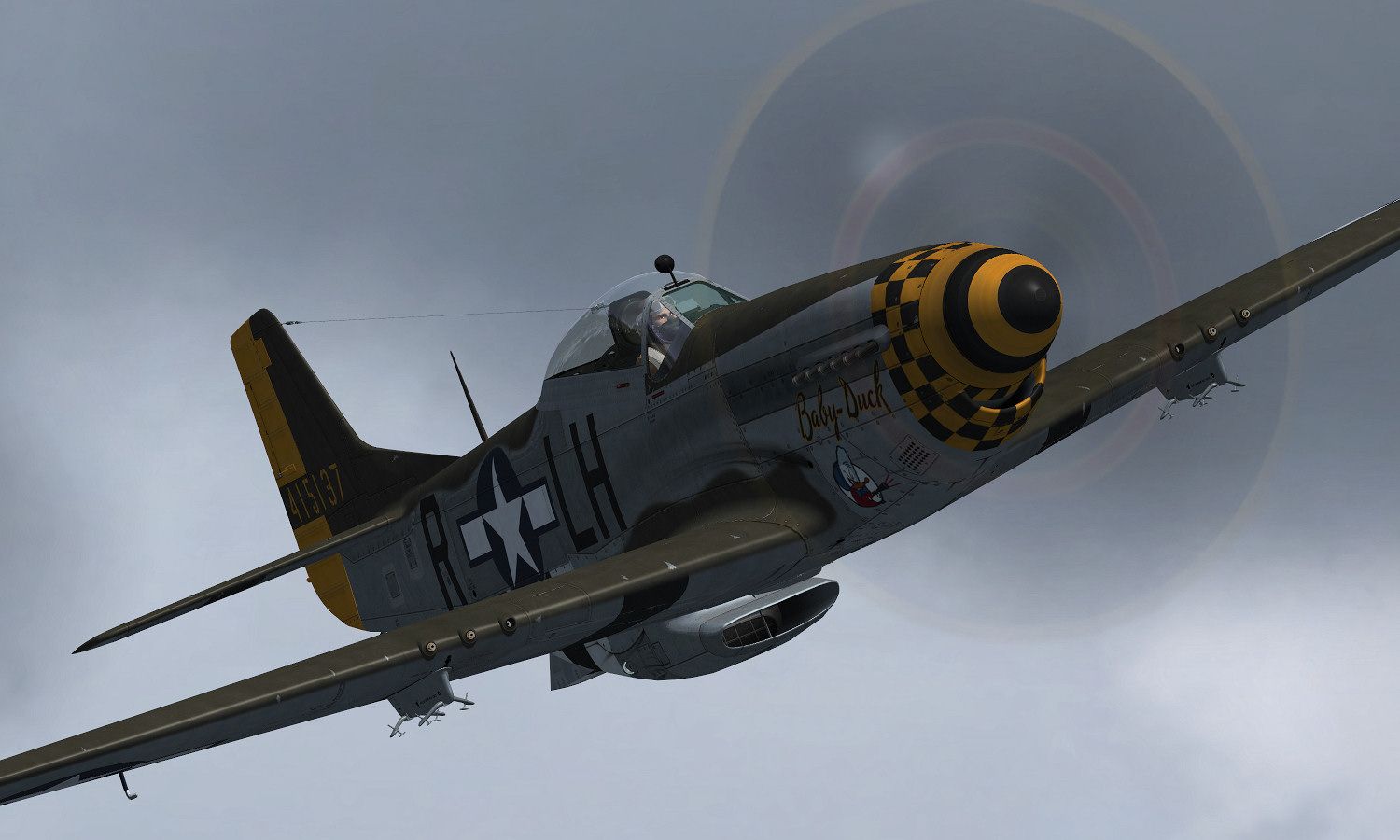
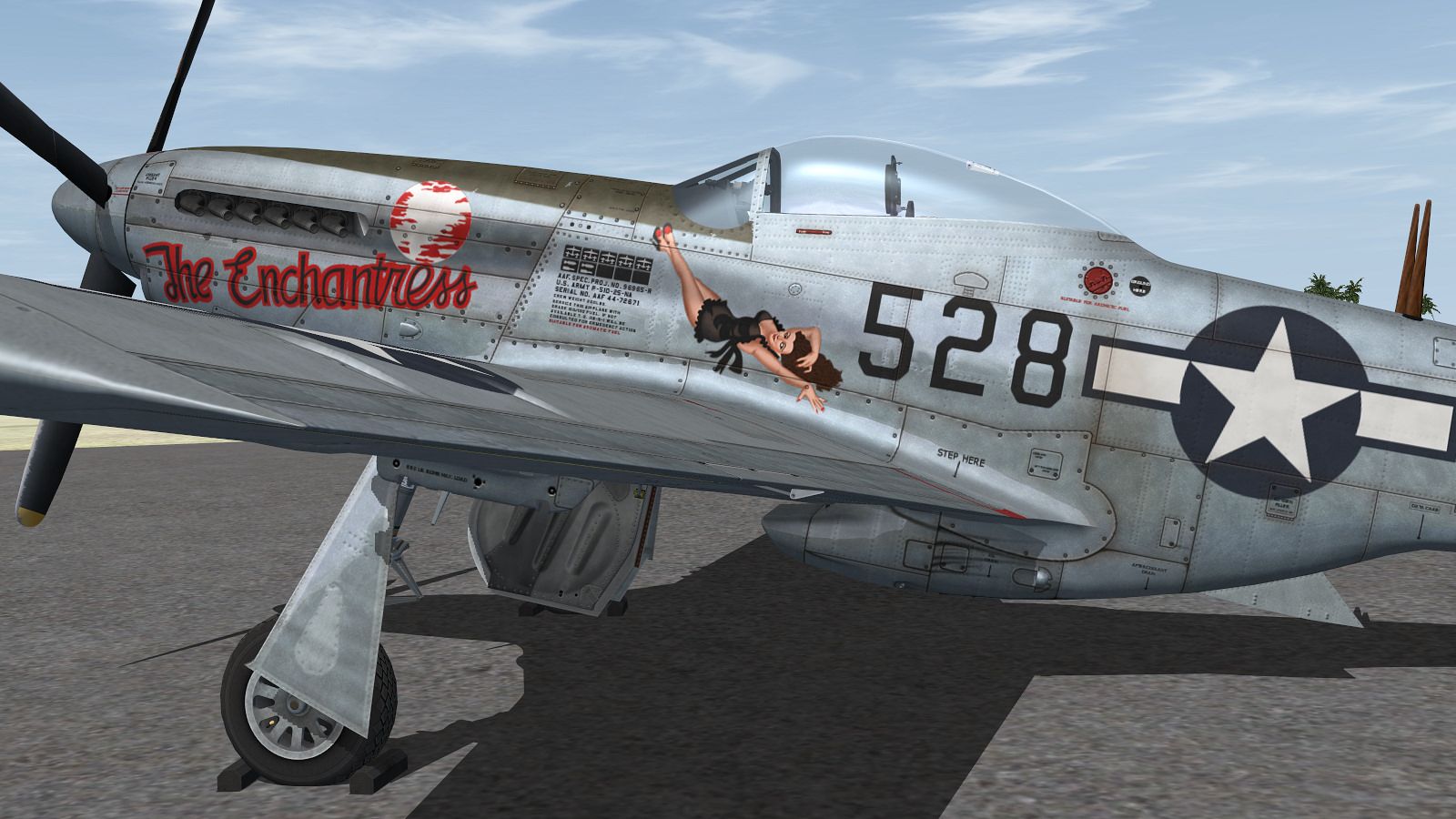
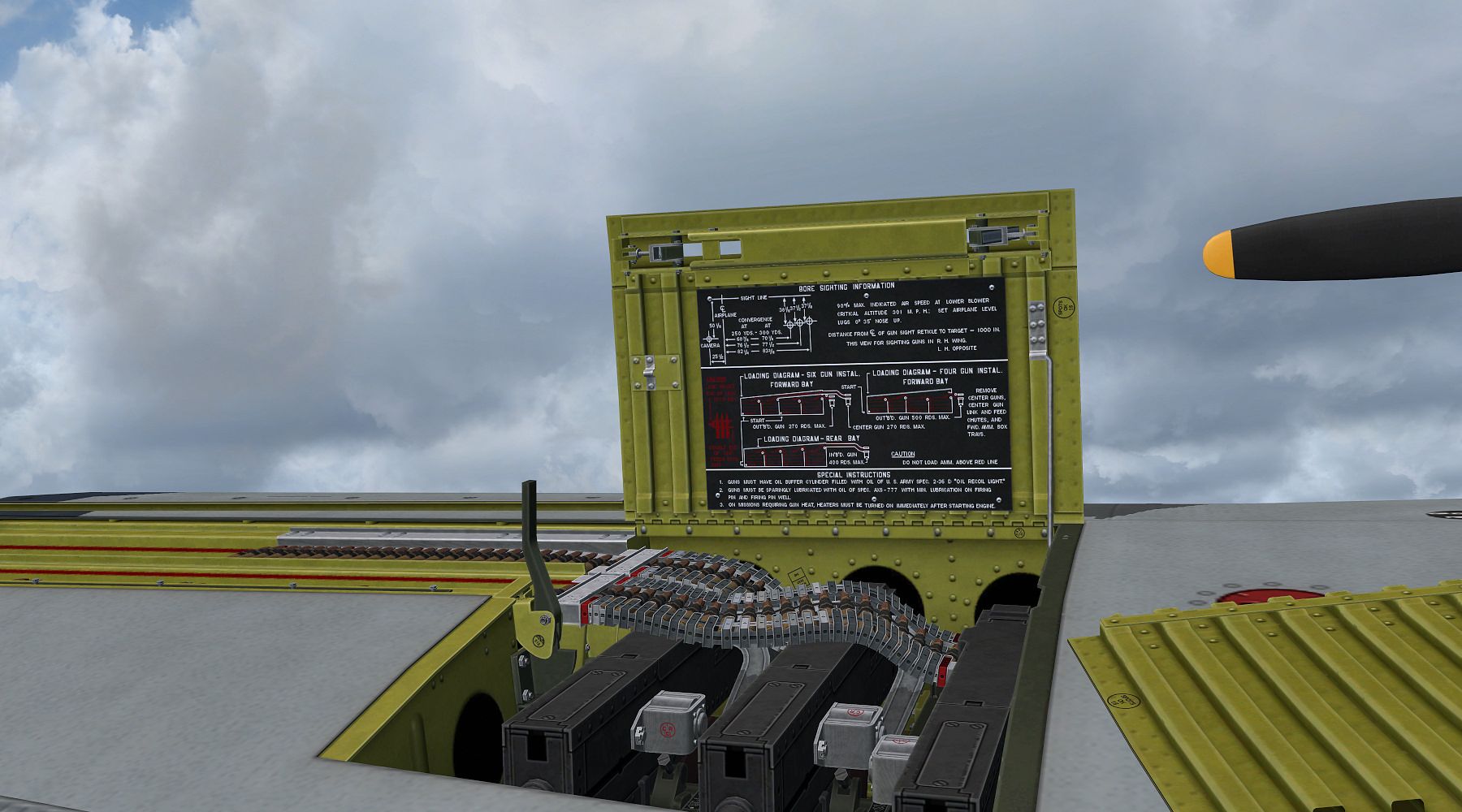
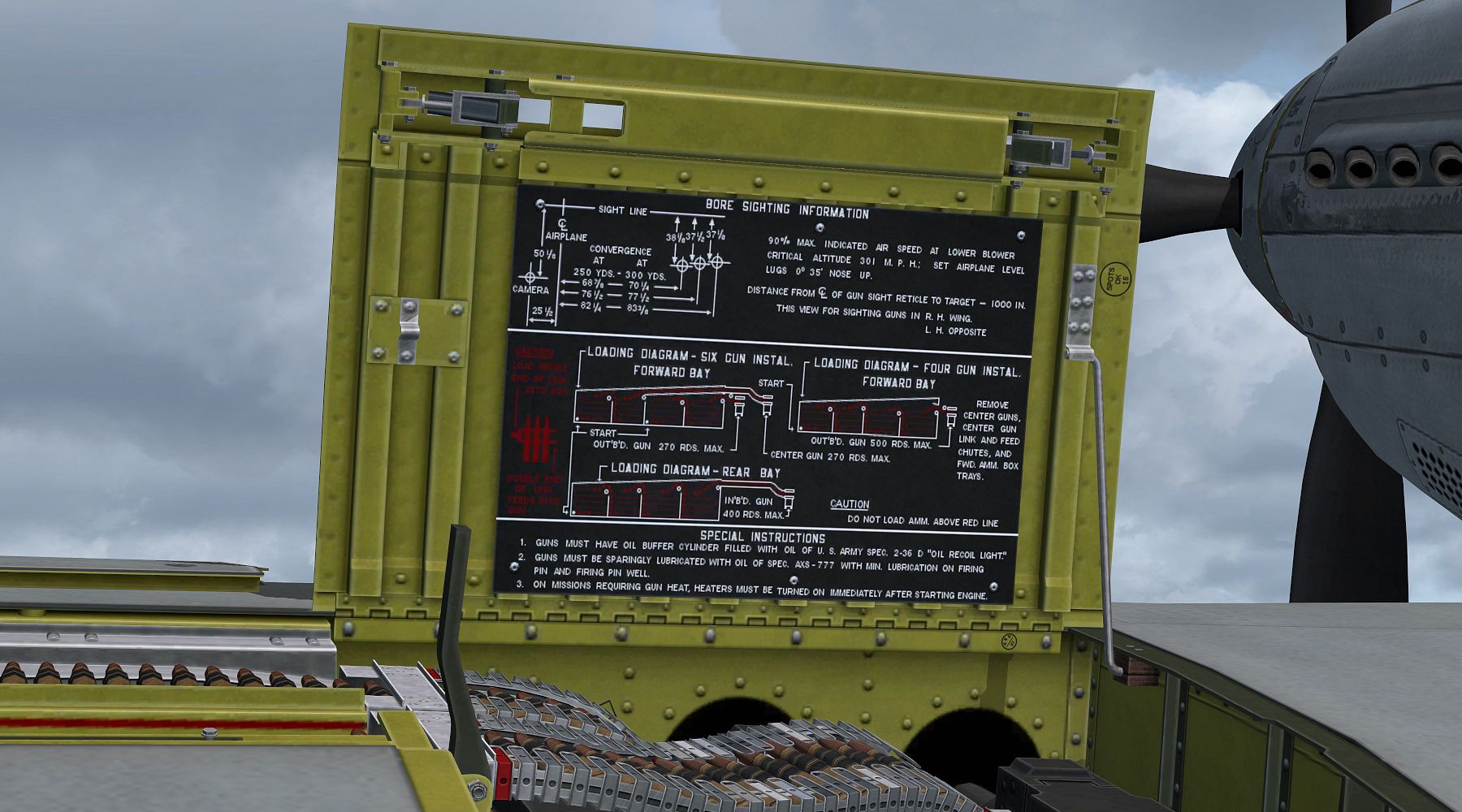
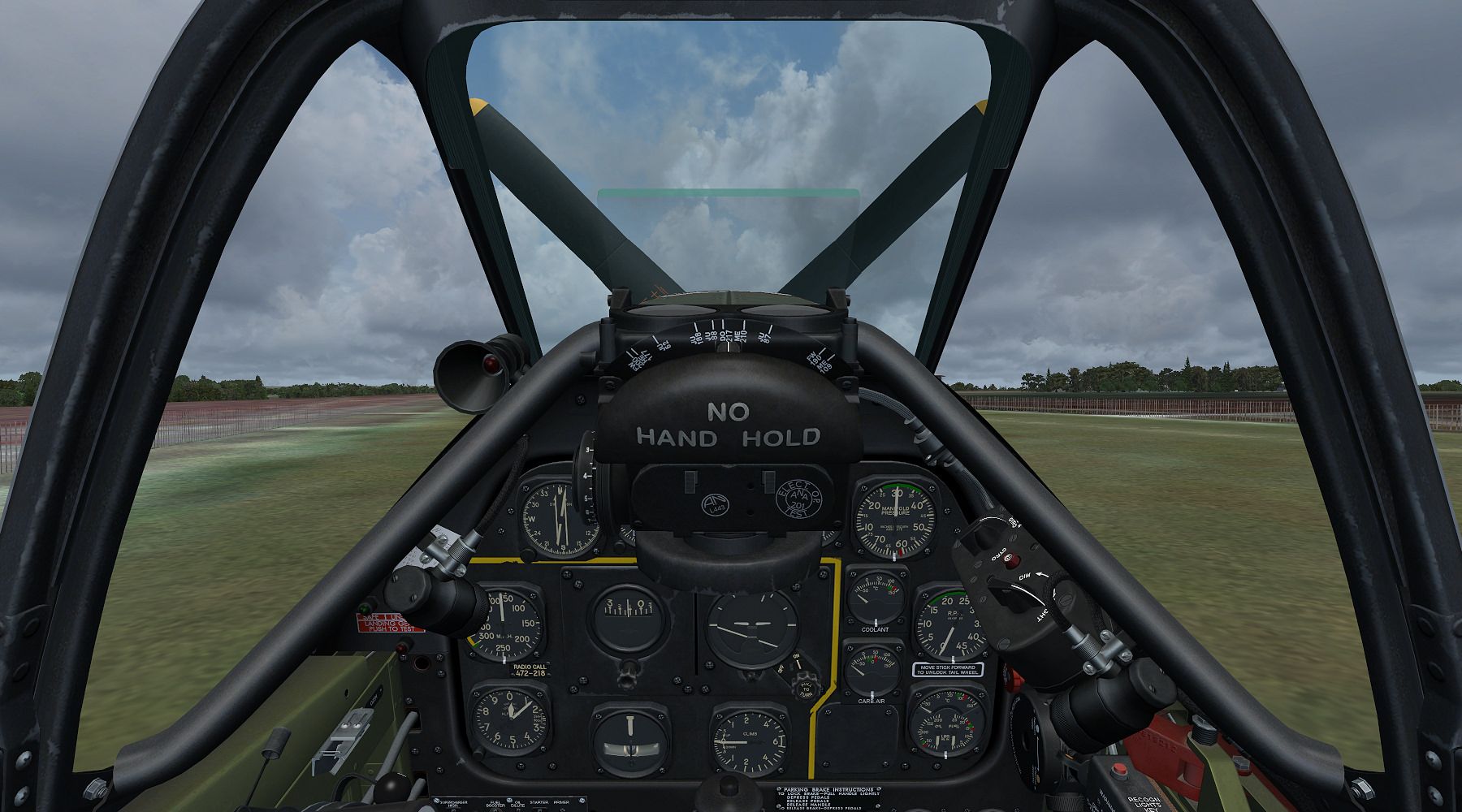
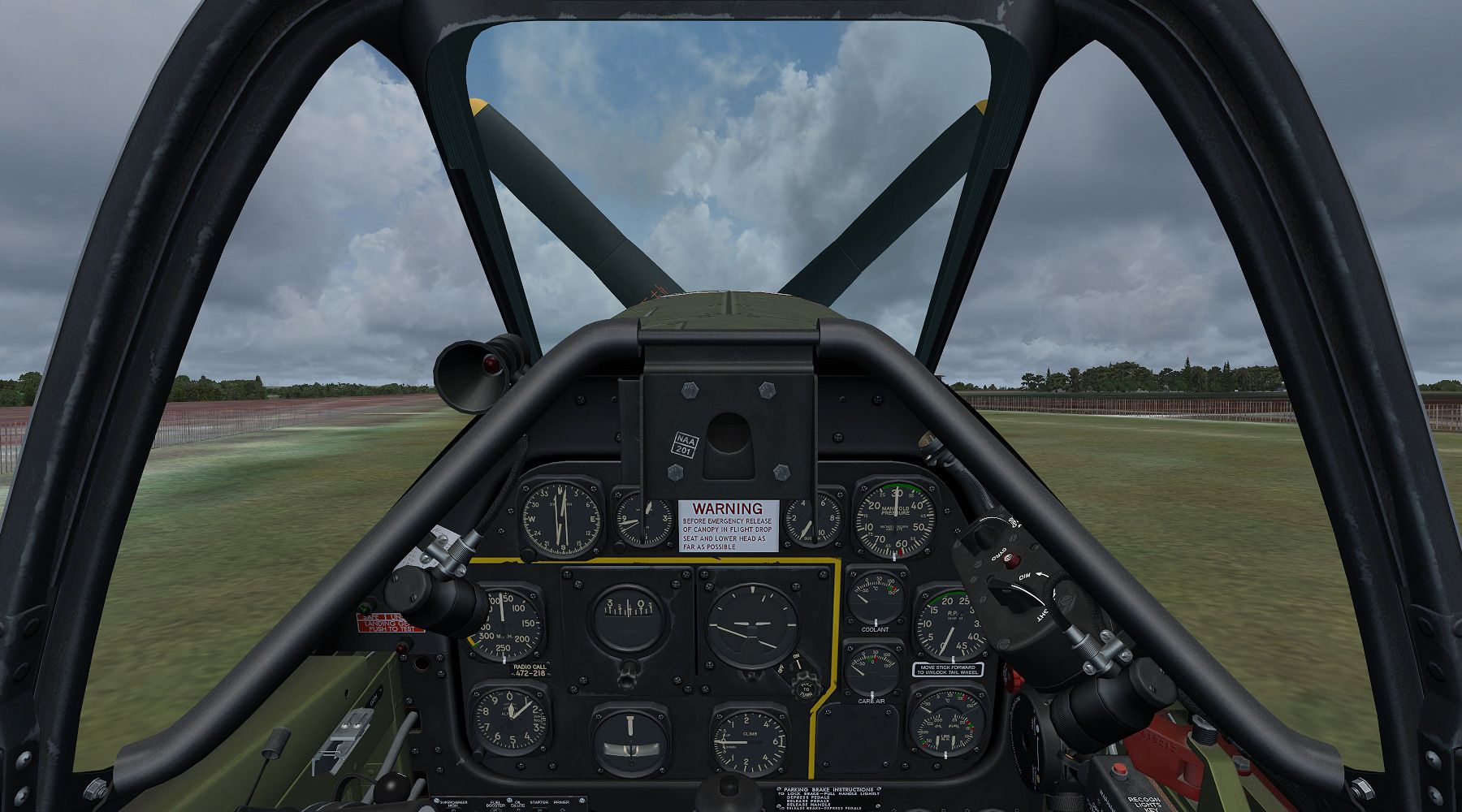
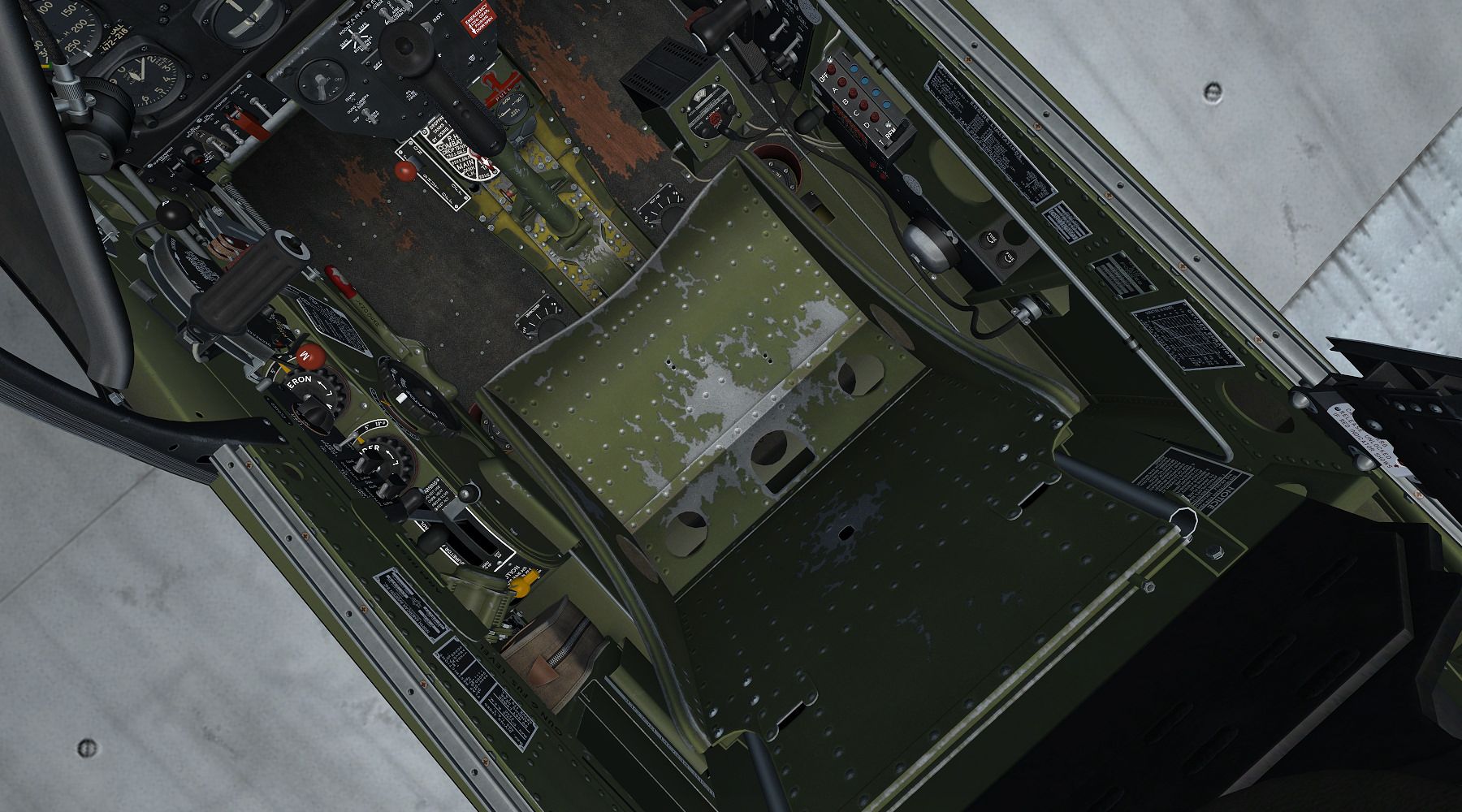
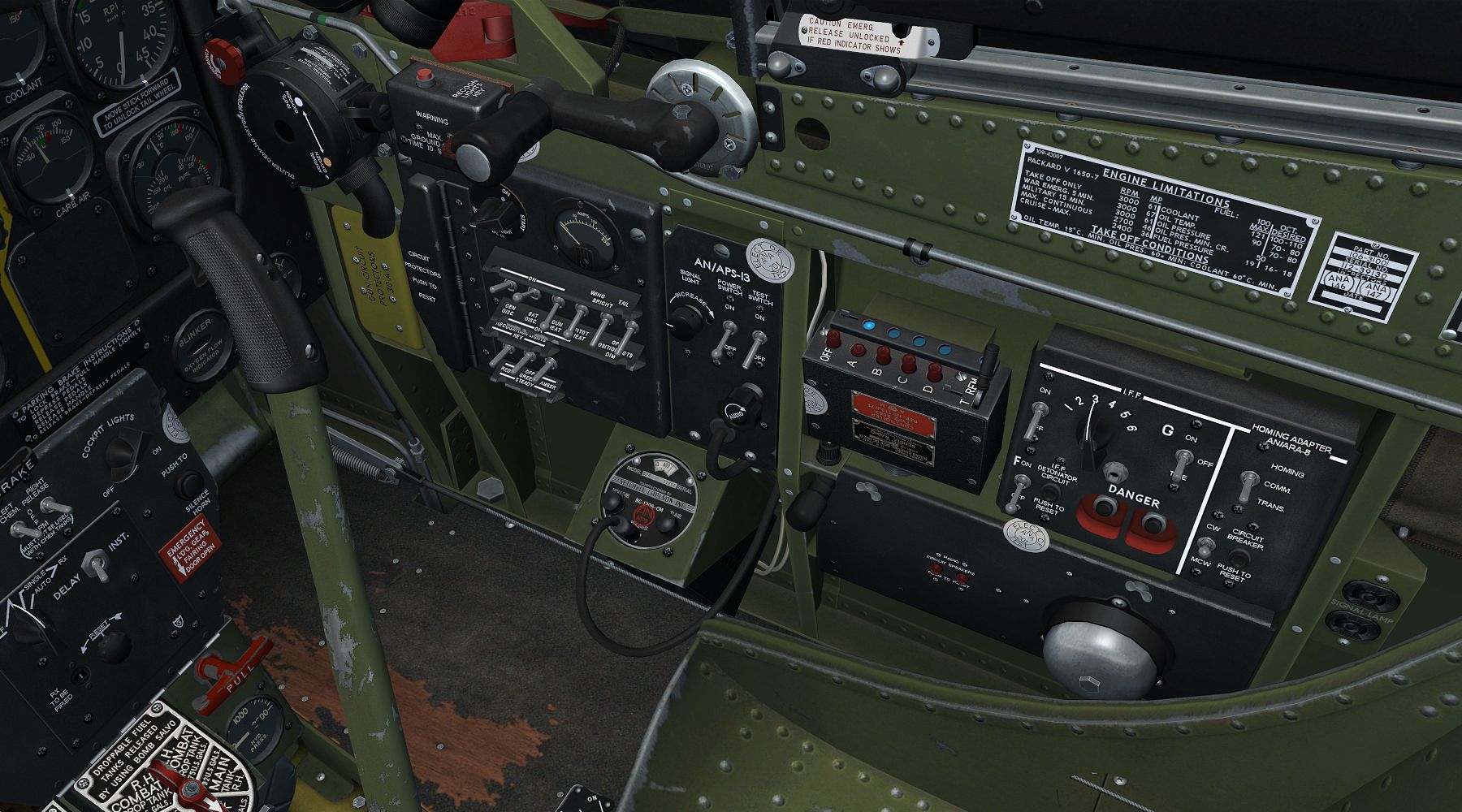
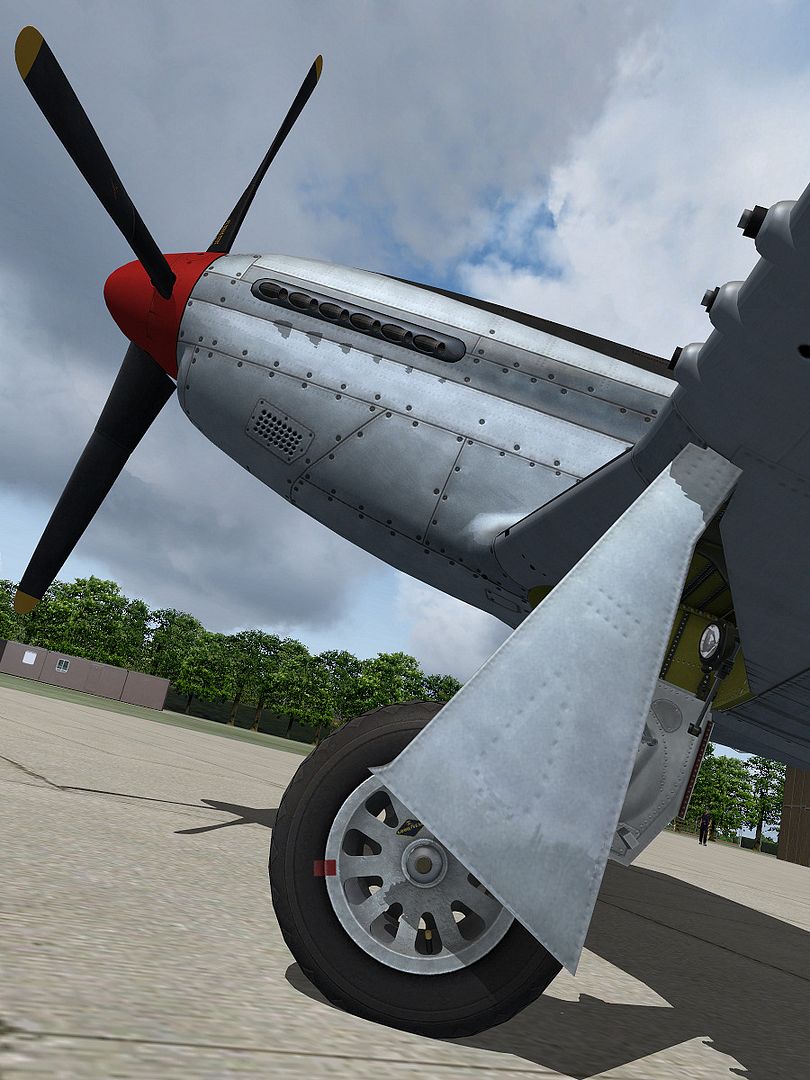
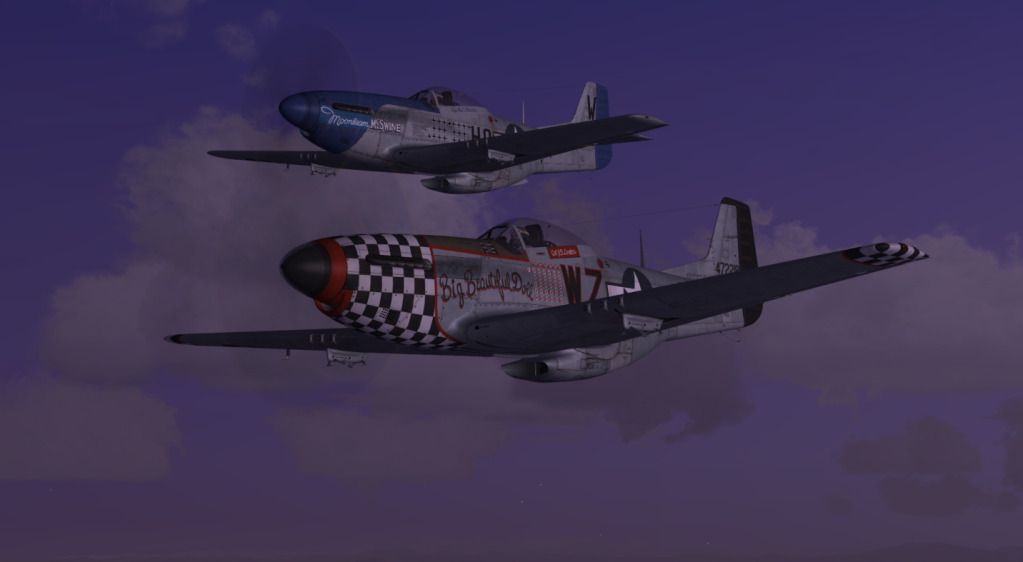
Here are some more screenshots illustrating what is included in "Little Friends I" alone.
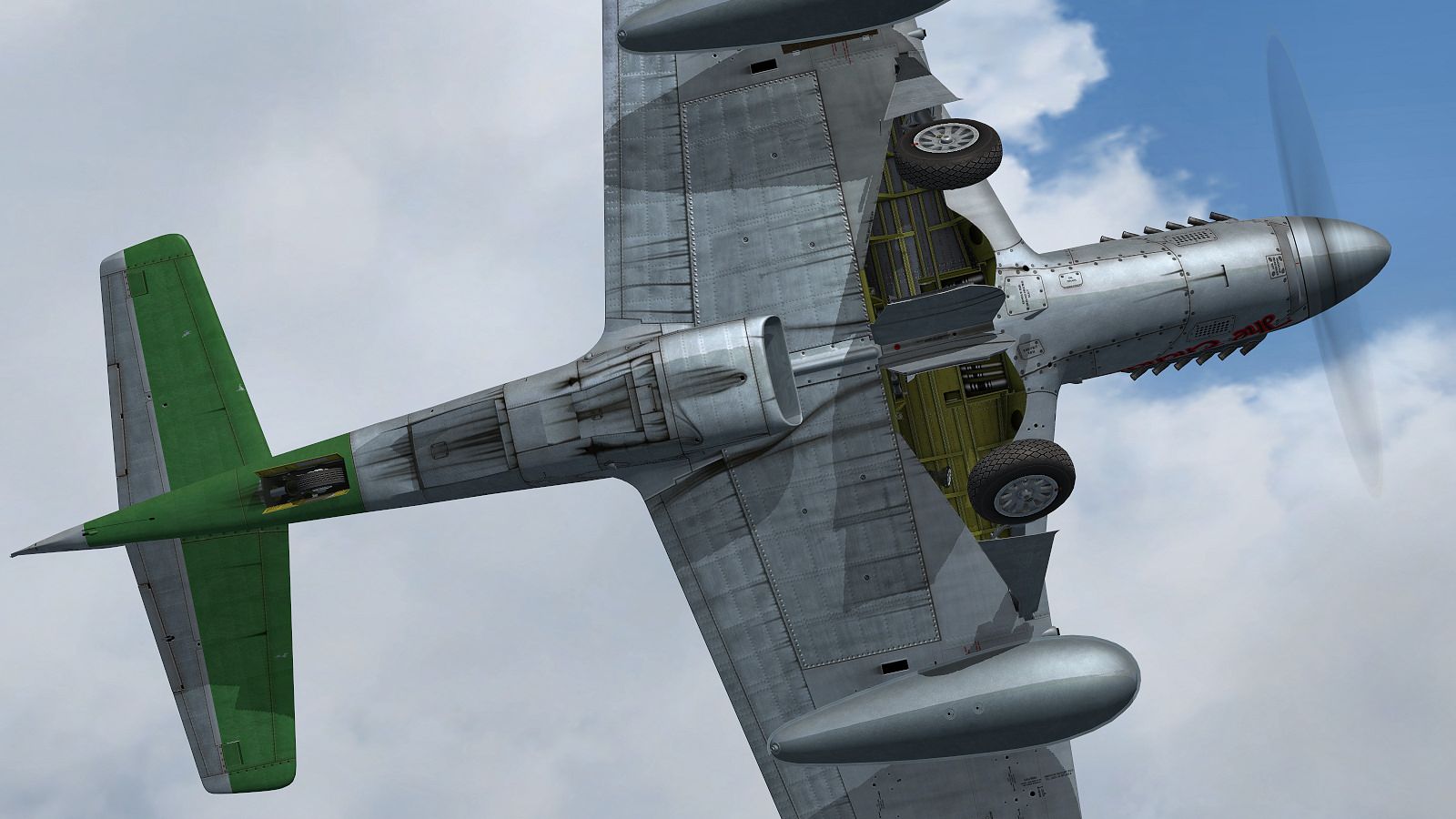
Accurate paint, primer, and bare metal finishes. With each wing half being manufactured separate, and each batch of chromate zinc (yellow) made right at the time of individual application, the internals of each wing half were often quite different, with the patchwork of chromate yellow and interior green paint and primer finishes often not being the same from one side to the other, either. This became more prevalent later in the war. On the P-51D-25-NA and P-51K-15-NT models included, the wheel wells look almost completely different from one side to the other, but each skin, bracket, and former are finished exactly as that of a few select examples as they remained un-touched since original factory production, providing an amazing glimpse into how they really looked during WWII. Even the Alcoa and Reynolds aluminum watermarks can be seen and read on the skins within the wheel wells. All of the stringers, formers, brackets and plumbing you see in the wheel wells, are 100% accurate.
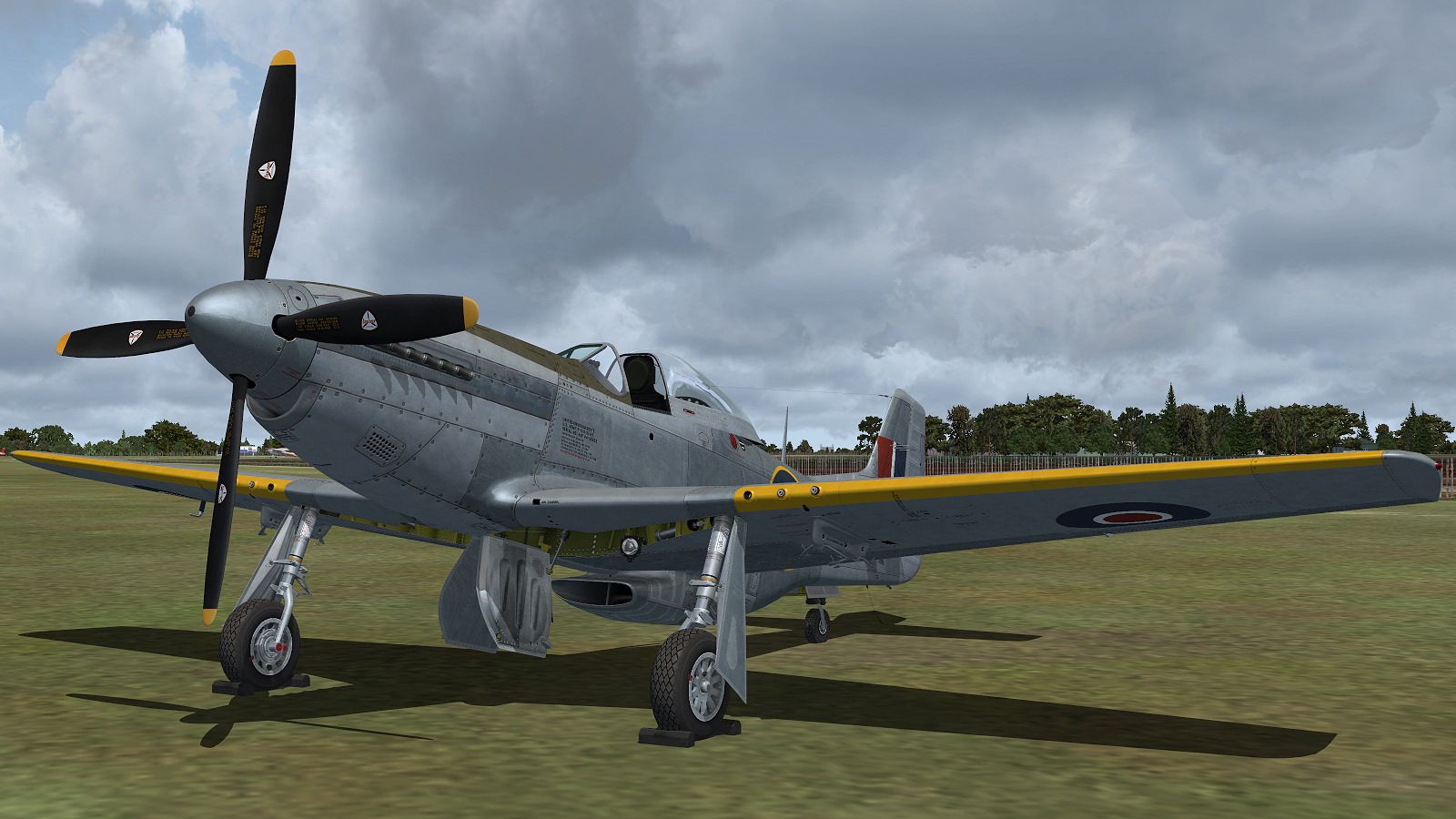
Included is an authentic P-51K, something that you won't find elsewhere. Not only is the propeller that of the proper Aeroproducts type, but the spinner is also unique, having had to be manufactured with a different design in order to mount the Aeroproducts prop blades. The aircraft is finished in a factory delivery scheme, with the vast majority of P-51K-15-NT's being manufactured for the RAF.
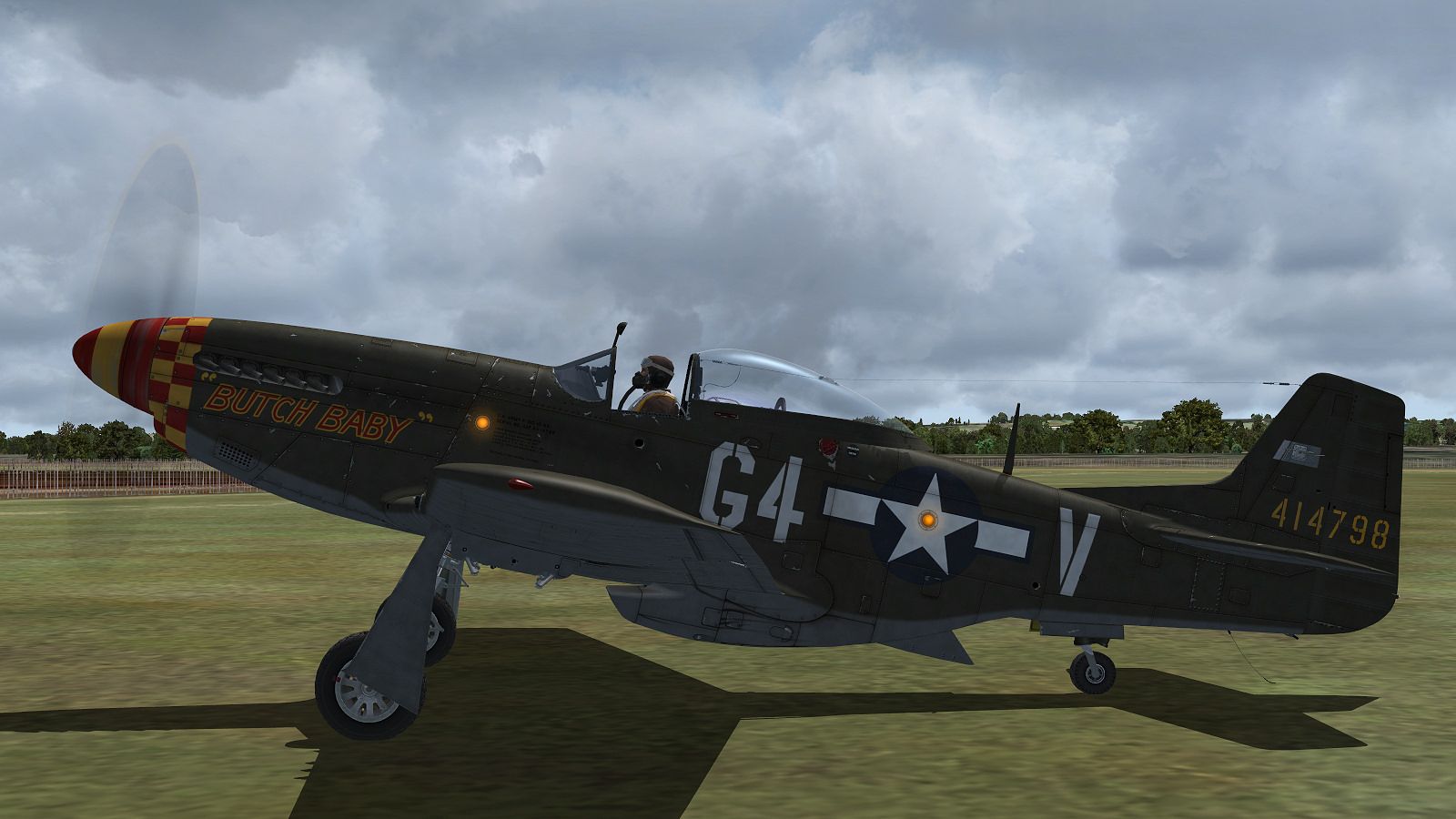
"Butch Baby" is one of several P-51D/K's modified in England, with the addition of formation lights on the fuselage. The lights themselves were the same amber recognition lights as fitted under the right wing tip. An additional switch was fitted next to the three already present recognition light switches in the cockpit, and that has been reproduced as well on this variant. This particular example has a field-added Spitfire mirror, with a "crew-chief-built" bracket to mount it.
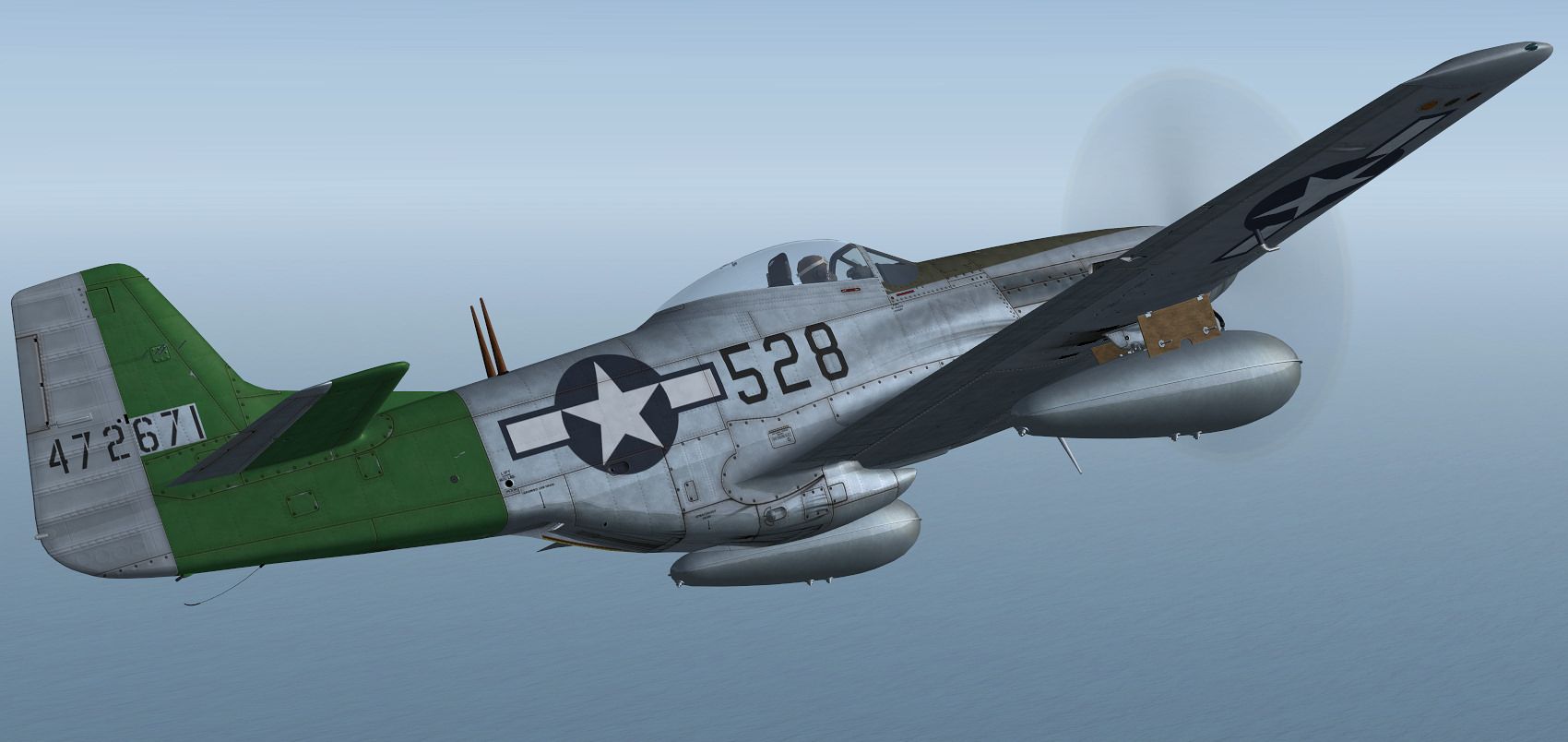
Throughout the different models, the drop tanks included for those specific models, matches the drop tank type that those individual examples used most, per given squadron and theatre of operation. Each individual drop tank was reproduced with the same exacting attention to accuracy as the rest of the aircraft.
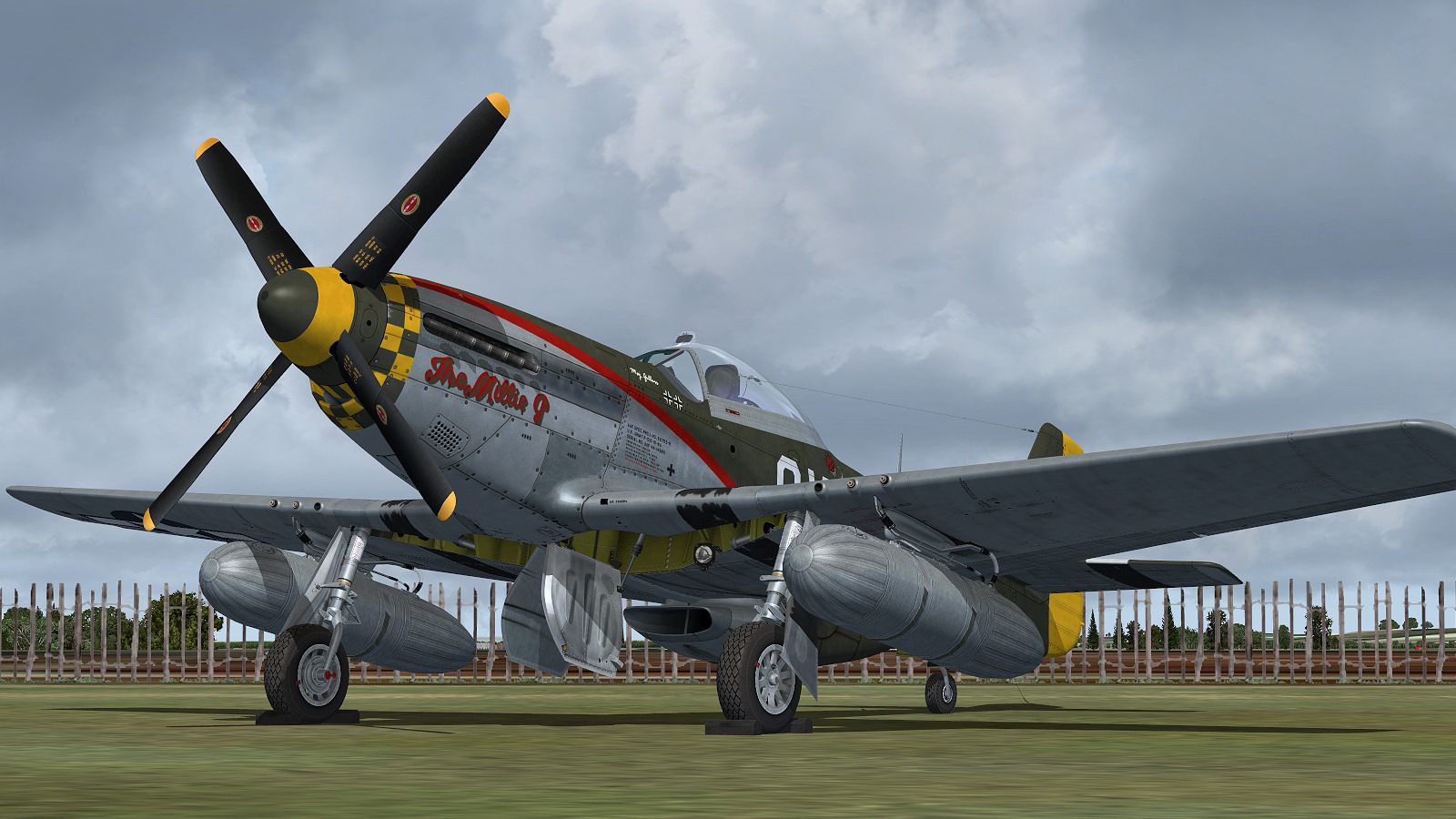
The 108-gallon 'paper' drop tanks. These were modeled using side-profile photos I took of an original example, and plumbed using the original manuals as a guide, complete with the glass break-away sections. This particular example has a field-added P-38 external mirror.
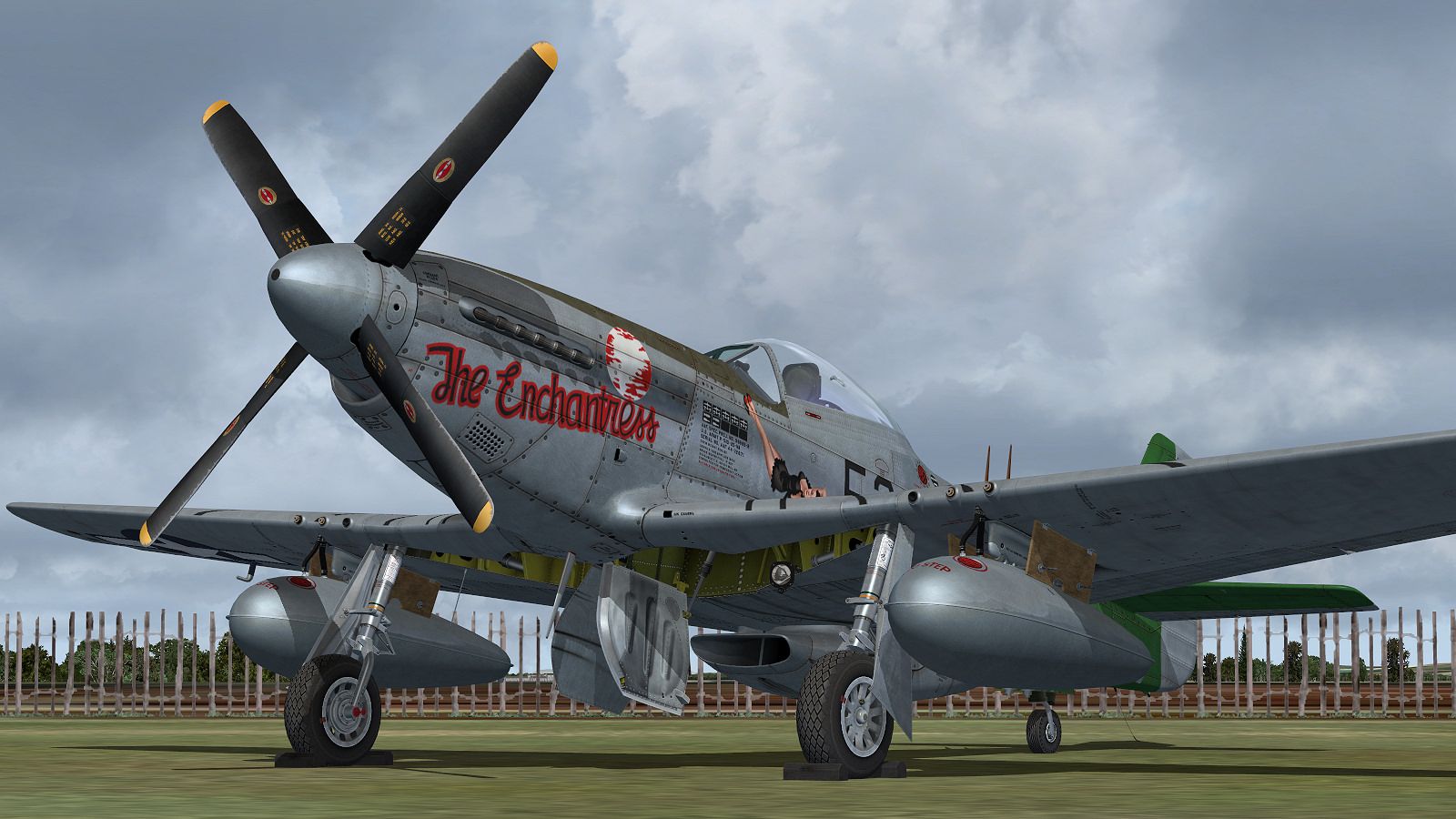
The 110-gallon metal drop tanks. These were the most used type for the Mustangs operating from Iwo Jima. Due to their size, wooden sway braces were used in order to ensure the tanks were stabilized. A high-resolution period photo from WWII, showing an almost perfect side-profile of these drop tanks, was used to model them.
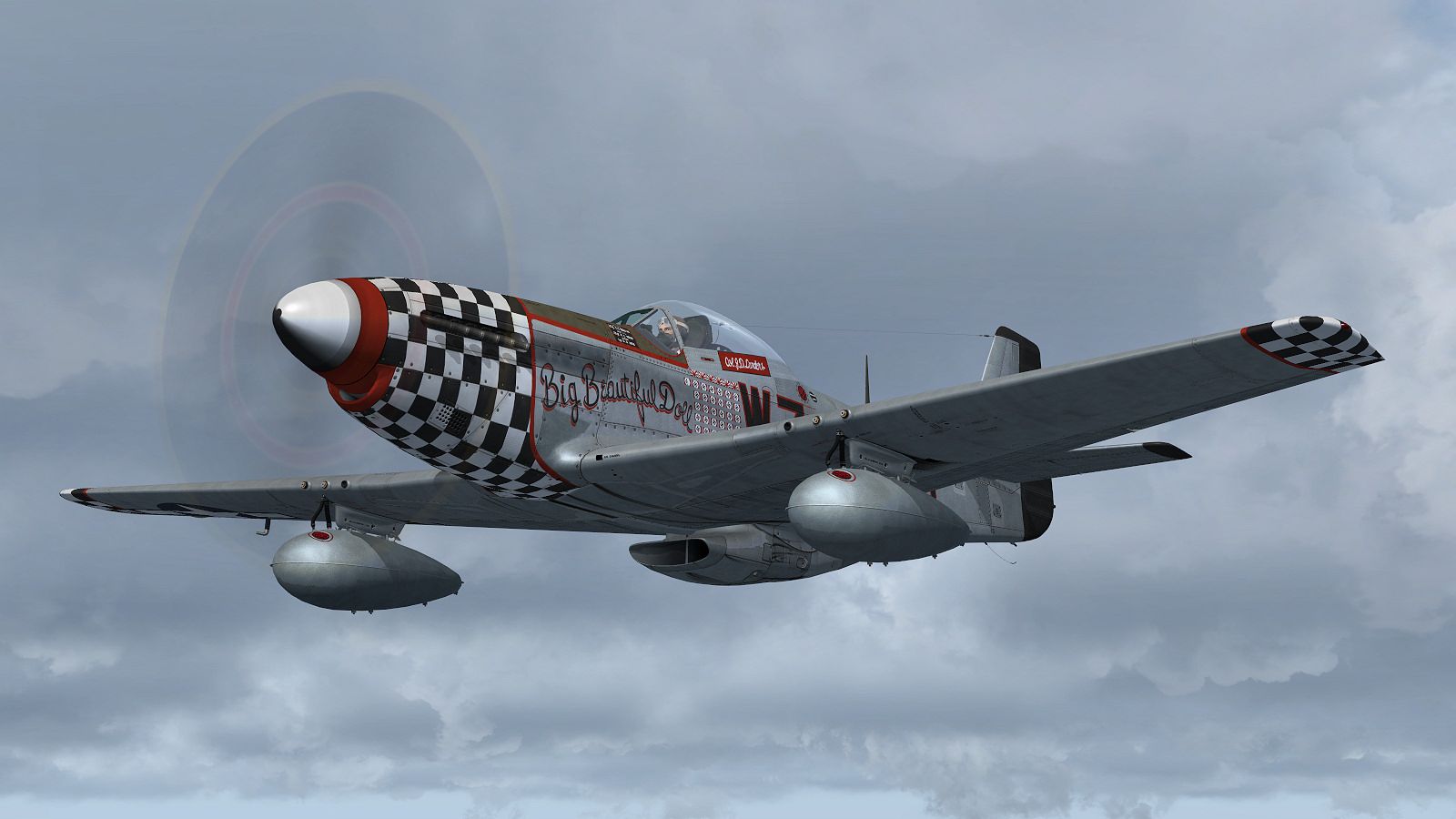
The 75-gallon metal drop tanks. These were used in all theatres of the war, and were present from the earliest days of the P-51D, and used up until the end of the war.