Just checking the interest.. After years of FSX mission making I am about to release my 10th mission package of aerial forest fighting.. Ill have to admit I have enjoyed making this pack more than all the others.. from Alphasim stuff, Abacus and all the RDJ simulations mods.. I have broken about 5 new unusual x file codes in this pack this time to make it first ever done thingys in FSX.. stuff your mama (The SDK) do not teach you... Please leave a little feedback on what I may need if interested.. will throw it in... any for real aerial forest fighter pilots out there - helos or fix wing please give a post... RDJ
-
There seems to be an uptick in Political comments in recent months. Those of us who are long time members of the site know that Political and Religious content has been banned for years. Nothing has changed. Please leave all political and religious comments out of the forums.
If you recently joined the forums you were not presented with this restriction in the terms of service. This was due to a conversion error when we went from vBulletin to Xenforo. We have updated our terms of service to reflect these corrections.
Please note any post refering to a politician will be considered political even if it is intended to be humor. Our experience is these topics have a way of dividing the forums and causing deep resentment among members. It is a poison to the community. We appreciate compliance with the rules.
The Staff of SOH
-
Please see the most recent updates in the "Where did the .com name go?" thread. Posts number 16 and 17.
You are using an out of date browser. It may not display this or other websites correctly.
You should upgrade or use an alternative browser.
You should upgrade or use an alternative browser.
Aerial forest fighting missions anyone?
- Thread starter noshadez
- Start date

tankerguy72
SOH-CM-2023
Grown up around Aerial firefighting my whole life. This sounds promising! What kind of new stuff have you created? I just released my WIP PB4Y airtanker over on the FS9 forum.
View attachment 77926
View attachment 77926

Obie311
Charter Member
Would love these missions. I have a fleet (OV-10, Baron, BT-67, Tracker, Super Scooper, etc) just waiting for missions. Being in California aerial fire fighting literally saves our lives and property. Some AI thrown in to integrate our aircraft would be good. Air Boss overhead orbit to coordinate the drops.
Obie
Obie
Crash_Hawk
Charter Member
Heck yeah!!!
Jon
Jon
kilo delta
Charter Member 2015
Would it be possible to extinguish the flames when dropping the fire retardant?

Would it be possible to extinguish the flames when dropping the fire retardant?
I hope so. Because technically, this also could mean that a fire could be started by dropping a bomb (now we're in business
 ).
).Cheers,
Mark

airattackimages
Charter Member
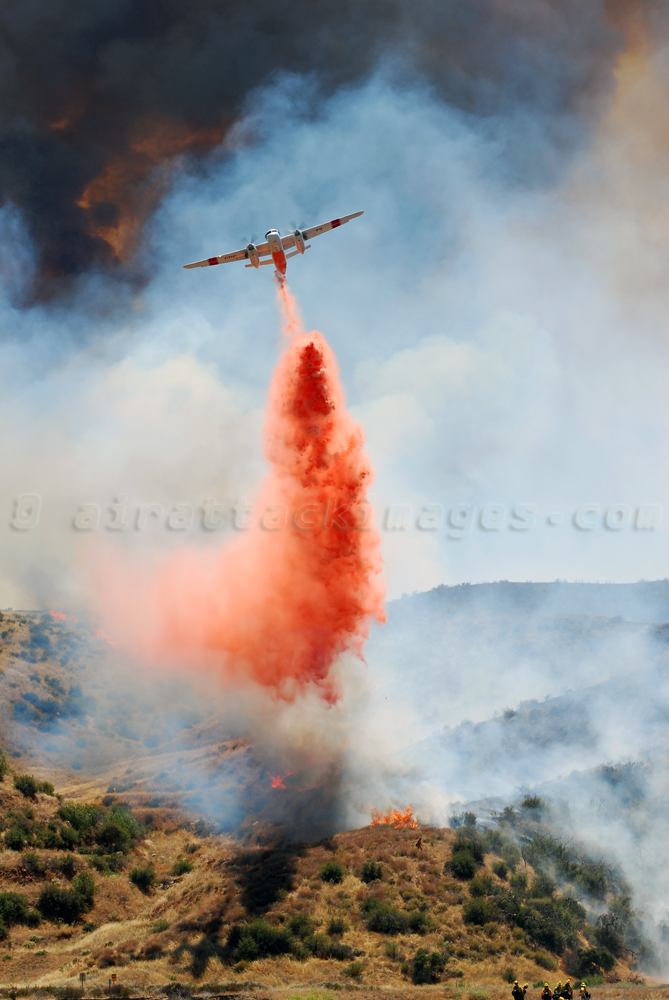
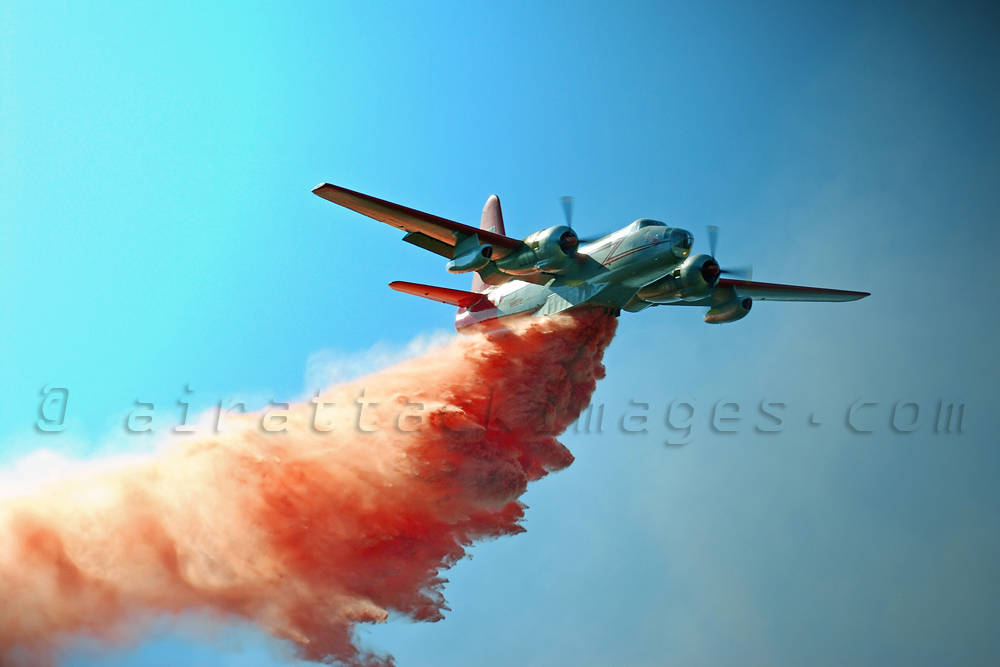
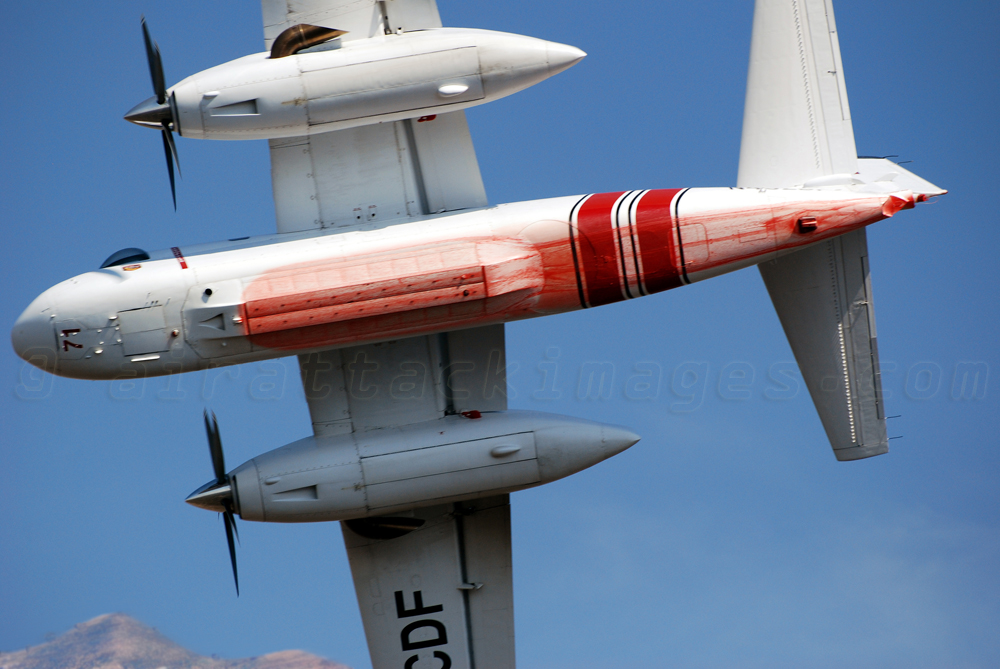
Absolutely, more attention needs to be paid to aerial firefighting in FSX. Like Tankerguy, I grew up around this stuff since I was kneehigh to a grasshopper. It stays with you. Tankerguy and I both photograph air tankers in action from the fire lines. It's an adrenaline packed excursion every time.
Here are some of my shots, to inspire the mission building



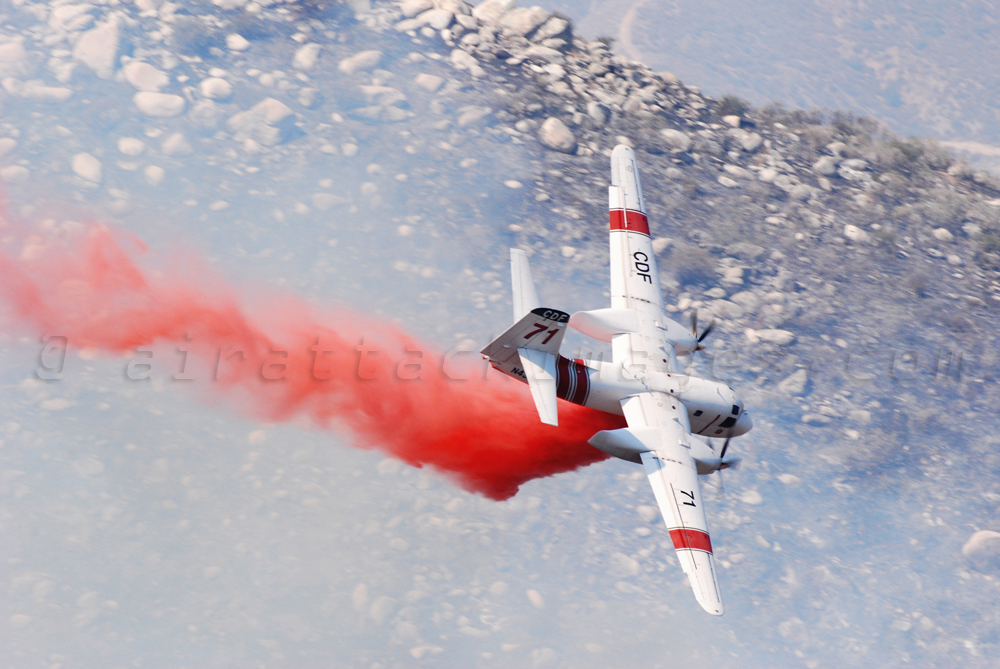


RIP Aero Union
Here are some of my shots, to inspire the mission building
RIP Aero Union
airattackimages
Charter Member
Thanks John, they're a lot of fun to capture.
Hi.. Thank you all for the response.. It means a lot to me to make this the best I can.. There were a few screenies you guys had of aircraft that is used as AI in these missions.Thats a relief. Yes--- is the answer on hitting fires by retardant drops to make them extinguish.. Some missions takes several hits to do the job.. As you know-- an areial fire fighters job is too (Cool) a fire good enough for ground teams.. so the expert missions require several hits.. The fires are also (Moving) across the terrain in real time wind direction.. Some missions are tough... up to almost 20 knots of several moving fires in Colorado headed for houses.... The missions include a basic DC-3 and a Huey UH1 helicopter.. (BUT) with detailed instructions on how to temporarily or permanatly (Use your own favorite aircraft) in the many missions.. It also includes many smoke jumper missions where you must correctly drop teams over DZs.. and even a (HALO) jumper mission where you (Are the jumper) end up (on foot) and have to make it through 5 moving fires.. tough.. if you get overtaken by a fire.. you get RIP... If you go out of bounds you might get eaten by a grizzly bear..(Just some of my old USMC recon day fun thoughts) The Helicopter missions have (Water bag buckets) You are challenged with hovering correctly over small lakes/ponds or pools to get loaded with water.. So for FSX helo pilots.. this part is real fun.. If you mess up..and do not hover in good to get the water load.. you might loose -- cause the fires are moving and do not care if you can fly right or not.. As far as codes broken.. It is really to wierd to explain.. My most proud one was the other night... finally coded an not only emmisive object.. but an Emissive and transparent object for FSX.. This made a huge brightly transparent lit (Rainbow) that is used in a couple of the missions.. Other than that the mission tool in FSX has plenty of easter eggs.. One was years ago we could not figure out why you could not change out ceartain (droppable objects) as you go.. I got it figured out now.. I can go from dropping smokejumpers to later dropping retardant all in one flight mission.. There is all sorts of R+R in these missions.. The Grand Canyon Terminal is replicated.. The Yellowstone INN is in it.. With Old Faithfull.. And the final icing is a Party for all Areial forestfighters in multiplayer on top of (Devils Tower Wyoming) Up to 20 guest.. There will be walk arounds.. and ultra lights.. A pig roast.. and a full concert stage... I get to play my song (A Man down) on the stage.. It is all possible in FSX.. PICS soon
Obie311
Charter Member
Absolutely, more attention needs to be paid to aerial firefighting in FSX. Like Tankerguy, I grew up around this stuff since I was kneehigh to a grasshopper. It stays with you. Tankerguy and I both photograph air tankers in action from the fire lines. It's an adrenaline packed excursion every time.
Here are some of my shots, to inspire the mission building
RIP Aero Union
Outstanding Photography! The shot with the wires and the Orion really show the brass cojones these pilots have.
I once trained on a gyro mount for a news helicopter and was fortunate enough to be above these guys when they were working. Amazing flying. I can't stress enough how important aerial and ground wildland firefighters are to residents of the Western US. The Super Scoopers and Skycrane use a lake just North of me for refills. They Scoopers file in trail about 400agl; callsign Waterski.
This would be an exciting set of missions when completed.
Obie

Daveroo
Members +
Hi.. Thank you all for the response.. It means a lot to me to make this the best I can.. There were a few screenies you guys had of aircraft that is used as AI in these missions.Thats a relief. Yes--- is the answer on hitting fires by retardant drops to make them extinguish.. Some missions takes several hits to do the job.. As you know-- an areial fire fighters job is too (Cool) a fire good enough for ground teams.. so the expert missions require several hits.. The fires are also (Moving) across the terrain in real time wind direction.. Some missions are tough... up to almost 20 knots of several moving fires in Colorado headed for houses.... The missions include a basic DC-3 and a Huey UH1 helicopter.. (BUT) with detailed instructions on how to temporarily or permanatly (Use your own favorite aircraft) in the many missions.. It also includes many smoke jumper missions where you must correctly drop teams over DZs.. and even a (HALO) jumper mission where you (Are the jumper) end up (on foot) and have to make it through 5 moving fires.. tough.. if you get overtaken by a fire.. you get RIP... If you go out of bounds you might get eaten by a grizzly bear..(Just some of my old USMC recon day fun thoughts) The Helicopter missions have (Water bag buckets) You are challenged with hovering correctly over small lakes/ponds or pools to get loaded with water.. So for FSX helo pilots.. this part is real fun.. If you mess up..and do not hover in good to get the water load.. you might loose -- cause the fires are moving and do not care if you can fly right or not.. As far as codes broken.. It is really to wierd to explain.. My most proud one was the other night... finally coded an not only emmisive object.. but an Emissive and transparent object for FSX.. This made a huge brightly transparent lit (Rainbow) that is used in a couple of the missions.. Other than that the mission tool in FSX has plenty of easter eggs.. One was years ago we could not figure out why you could not change out ceartain (droppable objects) as you go.. I got it figured out now.. I can go from dropping smokejumpers to later dropping retardant all in one flight mission.. There is all sorts of R+R in these missions.. The Grand Canyon Terminal is replicated.. The Yellowstone INN is in it.. With Old Faithfull.. And the final icing is a Party for all Areial forestfighters in multiplayer on top of (Devils Tower Wyoming) Up to 20 guest.. There will be walk arounds.. and ultra lights.. A pig roast.. and a full concert stage... I get to play my song (A Man down) on the stage.. It is all possible in FSX.. PICS soon
i like all of this,sounds pretty cool..just a nit-pick,the "water bags" are called "Bambi buckets",and also,i havent seen this noted anywhere here,its usually very rare for the airtankers to go direct when dropping on a fire...meaning,,they build "fireline" just like the bulldozers and handcrews do by digging the dirt and moving earth..the airtankers "lay" the retardant down in "defencive lines"..starting at the "heal" of the fire,,meaning at the starting point or origin of the fire..in california where they use the Grumman S2T for initial attack,they dispatch two aircraft...depending on fire size,weather,fire activity,terrain,many more factors...they will use both tankers on one flank.or most often,split the tankers and have the first in take the left flank,or right flank,,if memory serves,left flank is allways north or west,they then build retardant line up hill ( fires in my area are usually in canyons) or up wind..and "in front of the fire"..meaning outside the burn,away from the flameline,if they can outflank the fire as is hoped,,they then turn 60 degrees inward from there positions and lay more line toward the center of the fire,until they have turned to a 90 degree drop line "across the head",which should allow the active flame to hit the retardant line and burn itself out...thats the "ideal" way...if its a "hot" fire,,or threating a home..they will go direct on the flame .in oppostion the hellicopters and most water carrying scoopers allways go direct on the flame.
ThankX.. great info.. It is the 1st I hear of (Bambi buckets) I could edit in that on audio or text..(I will) for the helicopters .. I have not heard of the (Heal) of a fire. I am sticking with the direct (Head) hits cause in FSX things move so fast.. I say "Make sure you target the Head--where you see flames" It is best for all audiences I think.. The FSX mission tool is complicated as far as (Hit anything code) stuff. And the fires have to be made as an (anything) hit object. Well we will see how it goes.. There will be info on how to temp or permanant add in your own helo or aircraft into the missions.. I am having a ball with it just makin this dambed thing.. get some sceenies soon.. bout 2+ weeks out mayby
Daveroo
Members +
Hi noshadez,im looking forward to the upcoming screenshots,my privious post was just "informational" .i have no idea how other places attack fires...i am just familure with calfires proceedures ..i wasnt meaning for you to change anything..
have a look at this website when you have some spare time though..
http://en.wikipedia.org/wiki/Glossary_of_wildfire_terms
you will see things like the bambi bucket and other things..
<dt class="glossary" id="Anchor_point" style="font-weight: bold; margin-bottom: 0.1em; color: rgb(0, 0, 0); font-family: sans-serif; line-height: 19.200000762939453px;"><dfn style="font-style: inherit;">Anchor point</dfn></dt><dd class="glossary" style="line-height: 19.200000762939453px; margin-left: 1.6em; margin-bottom: 0.1em; margin-right: 0px; color: rgb(0, 0, 0); font-family: sans-serif;">An advantageous location, usually a barrier to fire spread, from which to start constructing a fireline. The anchor point is used to minimize the chance of being flanked (or outflanked) by the fire while the line is being constructed.
<dt class="glossary" id="Bambi_bucket" style="font-weight: bold; margin-bottom: 0.1em;"><dfn style="font-style: inherit;">Bambi bucket</dfn></dt><dd class="glossary" style="margin-left: 1.6em; margin-bottom: 0.1em; margin-right: 0px;">collapsible bucket for lifting and moving water or other fire retardant with a helicopter. (Note: The name was in use many years before the trademark owner claimed it in 1983.)
<dt class="glossary" id="Candle" style="font-weight: bold; margin-bottom: 0.1em;"><dfn style="font-style: inherit;">Candle</dfn></dt><dd class="glossary" style="margin-left: 1.6em; margin-bottom: 0.1em; margin-right: 0px;">A standing tree with a broken top which often continues to burn after the main firefront has passed. Candles usually send up a fountain of sparks and burning embers which may travel some distance and be of concern if near the unburnt side of a control line.
this is something you hear the air attack and tankers talking about as well as torching
<dt class="glossary" id="Direct_Attack" style="font-weight: bold; margin-bottom: 0.1em;"><dfn style="font-style: inherit;">Direct Attack</dfn></dt><dd class="glossary" style="margin-left: 1.6em; margin-bottom: 0.1em; margin-right: 0px;">Any treatment applied directly to burning fuel such as wetting, smothering, or chemically quenching the fire or by physically separating the burning from unburned fuel.
<dt class="glossary" id="Flanks_of_a_fire" style="font-weight: bold; margin-bottom: 0.1em;"><dfn style="font-style: inherit;">Flanks of a fire</dfn></dt><dd class="glossary" style="margin-left: 1.6em; margin-bottom: 0.1em; margin-right: 0px;">The parts of a fire’s spread perimeter that grow to the sides then run roughly parallel to the main direction of spread. Separated flank heads are extremely dangerous in steep terrain.
<dt class="glossary" id="Head_of_a_fire" style="font-weight: bold; margin-bottom: 0.1em;"><dfn style="font-style: inherit;">Head of a fire</dfn></dt><dd class="glossary" style="margin-left: 1.6em; margin-bottom: 0.1em; margin-right: 0px;">The most rapidly spreading portion of a fire’s perimeter, usually to the leeward or up slope; may have multiple heads if there are separated flanking fires.
<dt class="glossary" id="Point_of_origin" style="font-weight: bold; margin-bottom: 0.1em;"><dfn style="font-style: inherit;">Point of origin</dfn></dt><dd class="glossary" style="margin-left: 1.6em; margin-bottom: 0.1em; margin-right: 0px;">an element of fire behavior, indicating where a fire began, supporting further analysis of where the fire went or will go; evidence of specific origin is often obscured or destroyed by suppression tactics. this is what "we in norcal call the "heal"
<dt class="glossary" id="Torching" style="font-weight: bold; margin-bottom: 0.1em;"><dfn style="font-style: inherit;">Torching</dfn></dt><dd class="glossary" style="margin-left: 1.6em; margin-bottom: 0.1em; margin-right: 0px;">Not to be confused with crowning, is when a single or small group of trees "torch" or go up in flames. Torching and group torching are more of a nuisance whereas crown fire is of much greater concern.
again..im just playing here....this stuff is my blood..i can fly real-life due to several reasons..i raced cars and was a firefighter and i LOVED fighting wildland fires.and as i moved up in the ranks..and ended up working so ICPs i monertered radios and talked to air attack and what have you,all summer long my scanner is turned to nothing but the "north ops" radio freqs for the airtankers.i dont miss a beat...man its fun...
i had a bad expireance back in 83,,i was just a nozleman then..i was behind the engine and we were doing a mobile attack across a flat pastureland ,grass was about 4 feet tall..burning hot and moving fast with the wind...it was kickin our backsides..i just happened to look up at the mirror on the drivers side of the engine,and i saw the engineer frantically rolling up the window and his eyes were like silver dollars....i turned my head to look behind me just in time to see a grumman S2 in that horrible green paint ,when it just unloaded on us.....the retardant picked my up off my feet and tossed me like a ragdoll ,head over feet i went...it knocked down the fire,turned my yellow nomex fire clothes pink,and turned our nice shiney red fire engine into a pink stained mess!!!....they are not supposed to drop on people..but i heard later the pilot thought we were in trouble...</dd></dd></dd></dd></dd></dd></dd></dd>
have a look at this website when you have some spare time though..
http://en.wikipedia.org/wiki/Glossary_of_wildfire_terms
you will see things like the bambi bucket and other things..
<dt class="glossary" id="Anchor_point" style="font-weight: bold; margin-bottom: 0.1em; color: rgb(0, 0, 0); font-family: sans-serif; line-height: 19.200000762939453px;"><dfn style="font-style: inherit;">Anchor point</dfn></dt><dd class="glossary" style="line-height: 19.200000762939453px; margin-left: 1.6em; margin-bottom: 0.1em; margin-right: 0px; color: rgb(0, 0, 0); font-family: sans-serif;">An advantageous location, usually a barrier to fire spread, from which to start constructing a fireline. The anchor point is used to minimize the chance of being flanked (or outflanked) by the fire while the line is being constructed.
<dt class="glossary" id="Bambi_bucket" style="font-weight: bold; margin-bottom: 0.1em;"><dfn style="font-style: inherit;">Bambi bucket</dfn></dt><dd class="glossary" style="margin-left: 1.6em; margin-bottom: 0.1em; margin-right: 0px;">collapsible bucket for lifting and moving water or other fire retardant with a helicopter. (Note: The name was in use many years before the trademark owner claimed it in 1983.)
<dt class="glossary" id="Candle" style="font-weight: bold; margin-bottom: 0.1em;"><dfn style="font-style: inherit;">Candle</dfn></dt><dd class="glossary" style="margin-left: 1.6em; margin-bottom: 0.1em; margin-right: 0px;">A standing tree with a broken top which often continues to burn after the main firefront has passed. Candles usually send up a fountain of sparks and burning embers which may travel some distance and be of concern if near the unburnt side of a control line.
this is something you hear the air attack and tankers talking about as well as torching
<dt class="glossary" id="Direct_Attack" style="font-weight: bold; margin-bottom: 0.1em;"><dfn style="font-style: inherit;">Direct Attack</dfn></dt><dd class="glossary" style="margin-left: 1.6em; margin-bottom: 0.1em; margin-right: 0px;">Any treatment applied directly to burning fuel such as wetting, smothering, or chemically quenching the fire or by physically separating the burning from unburned fuel.
<dt class="glossary" id="Flanks_of_a_fire" style="font-weight: bold; margin-bottom: 0.1em;"><dfn style="font-style: inherit;">Flanks of a fire</dfn></dt><dd class="glossary" style="margin-left: 1.6em; margin-bottom: 0.1em; margin-right: 0px;">The parts of a fire’s spread perimeter that grow to the sides then run roughly parallel to the main direction of spread. Separated flank heads are extremely dangerous in steep terrain.
<dt class="glossary" id="Head_of_a_fire" style="font-weight: bold; margin-bottom: 0.1em;"><dfn style="font-style: inherit;">Head of a fire</dfn></dt><dd class="glossary" style="margin-left: 1.6em; margin-bottom: 0.1em; margin-right: 0px;">The most rapidly spreading portion of a fire’s perimeter, usually to the leeward or up slope; may have multiple heads if there are separated flanking fires.
<dt class="glossary" id="Point_of_origin" style="font-weight: bold; margin-bottom: 0.1em;"><dfn style="font-style: inherit;">Point of origin</dfn></dt><dd class="glossary" style="margin-left: 1.6em; margin-bottom: 0.1em; margin-right: 0px;">an element of fire behavior, indicating where a fire began, supporting further analysis of where the fire went or will go; evidence of specific origin is often obscured or destroyed by suppression tactics. this is what "we in norcal call the "heal"
<dt class="glossary" id="Torching" style="font-weight: bold; margin-bottom: 0.1em;"><dfn style="font-style: inherit;">Torching</dfn></dt><dd class="glossary" style="margin-left: 1.6em; margin-bottom: 0.1em; margin-right: 0px;">Not to be confused with crowning, is when a single or small group of trees "torch" or go up in flames. Torching and group torching are more of a nuisance whereas crown fire is of much greater concern.
again..im just playing here....this stuff is my blood..i can fly real-life due to several reasons..i raced cars and was a firefighter and i LOVED fighting wildland fires.and as i moved up in the ranks..and ended up working so ICPs i monertered radios and talked to air attack and what have you,all summer long my scanner is turned to nothing but the "north ops" radio freqs for the airtankers.i dont miss a beat...man its fun...
i had a bad expireance back in 83,,i was just a nozleman then..i was behind the engine and we were doing a mobile attack across a flat pastureland ,grass was about 4 feet tall..burning hot and moving fast with the wind...it was kickin our backsides..i just happened to look up at the mirror on the drivers side of the engine,and i saw the engineer frantically rolling up the window and his eyes were like silver dollars....i turned my head to look behind me just in time to see a grumman S2 in that horrible green paint ,when it just unloaded on us.....the retardant picked my up off my feet and tossed me like a ragdoll ,head over feet i went...it knocked down the fire,turned my yellow nomex fire clothes pink,and turned our nice shiney red fire engine into a pink stained mess!!!....they are not supposed to drop on people..but i heard later the pilot thought we were in trouble...</dd></dd></dd></dd></dd></dd></dd></dd>
ThankX Daveroo.. That info is what I was looking for.. I needed (Radio chatter) stuff as I am now in the phase of adding the audio. I will do some changes also as needed.. I am also adding more missions.. This is going to be a big one. My cousin is a longtime ground forest fighter.. I am even throwing in a bulldozer fireline digger mission.. A bulldozer with effects of a fireline dug behind it and everything as you drive it along the terrain.. you must first drop by parachute as a smokejumper first.. then take over the bulldozer.. coffee .. or cold beer.. that is my imagination on this mission set.. I am having a headache of fun:cost1:
