• There seems to be an uptick in Political comments in recent months. Those of us who are long time members of the site know that Political and Religious content has been banned for years. Nothing has changed. Please leave all political and religious comments out of the forums.

    If you recently joined the forums you were not presented with this restriction in the terms of service. This was due to a conversion error when we went from vBulletin to Xenforo. We have updated our terms of service to reflect these corrections.

    Please note any post refering to a politician will be considered political even if it is intended to be humor. Our experience is these topics have a way of dividing the forums and causing deep resentment among members. It is a poison to the community. We appreciate compliance with the rules.

    The Staff of SOH

  • Please see the most recent updates in the "Where did the .com name go?" thread. Posts number 16 and 17.

    Post 16 Update

    Post 17 Warning

Climbing the Heavens in my Go Buggy

Bomber_12th

SOH-CM-2025
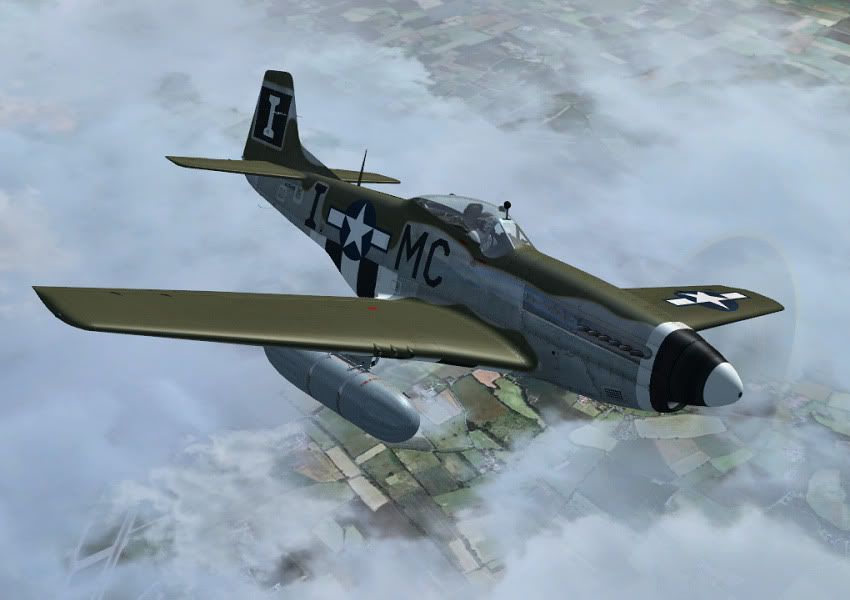
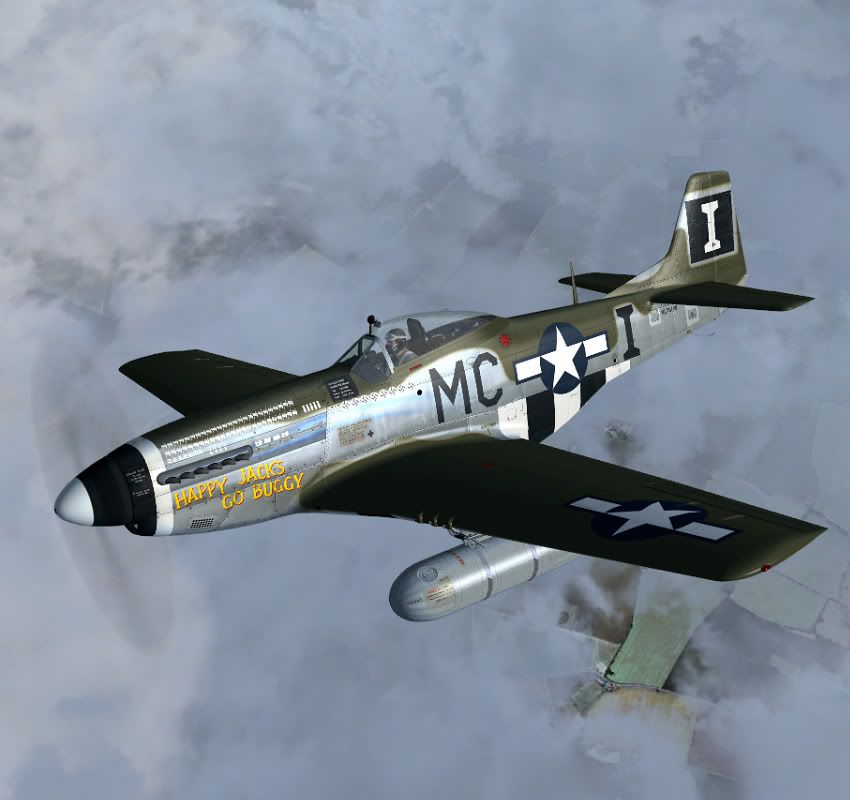
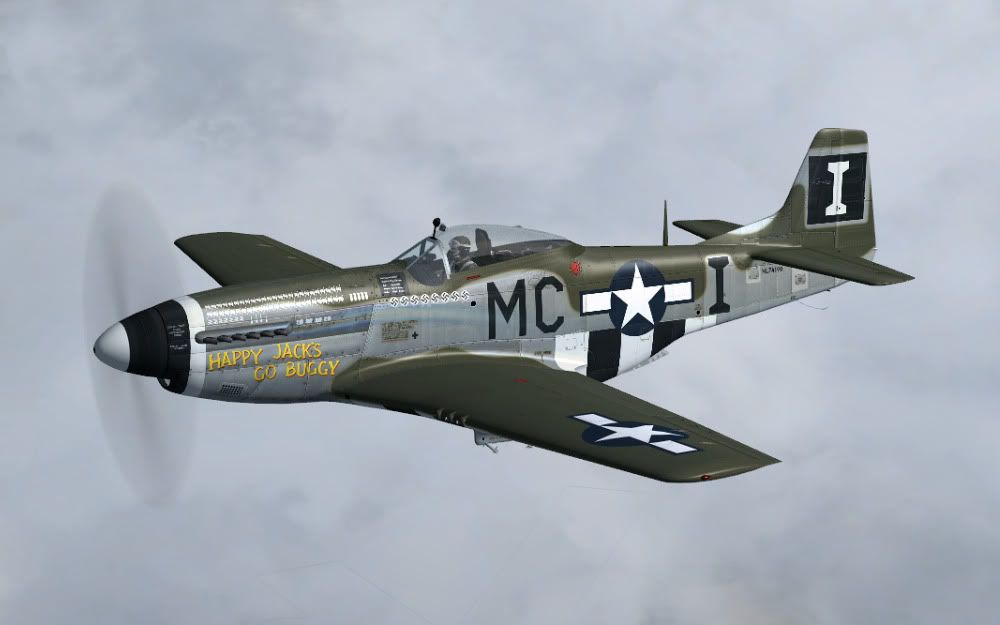
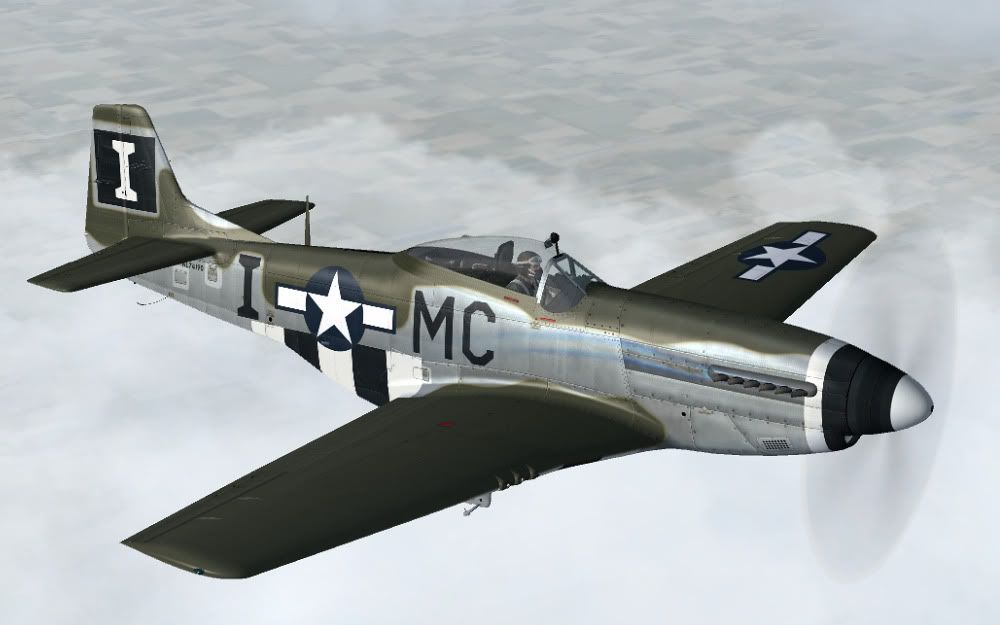
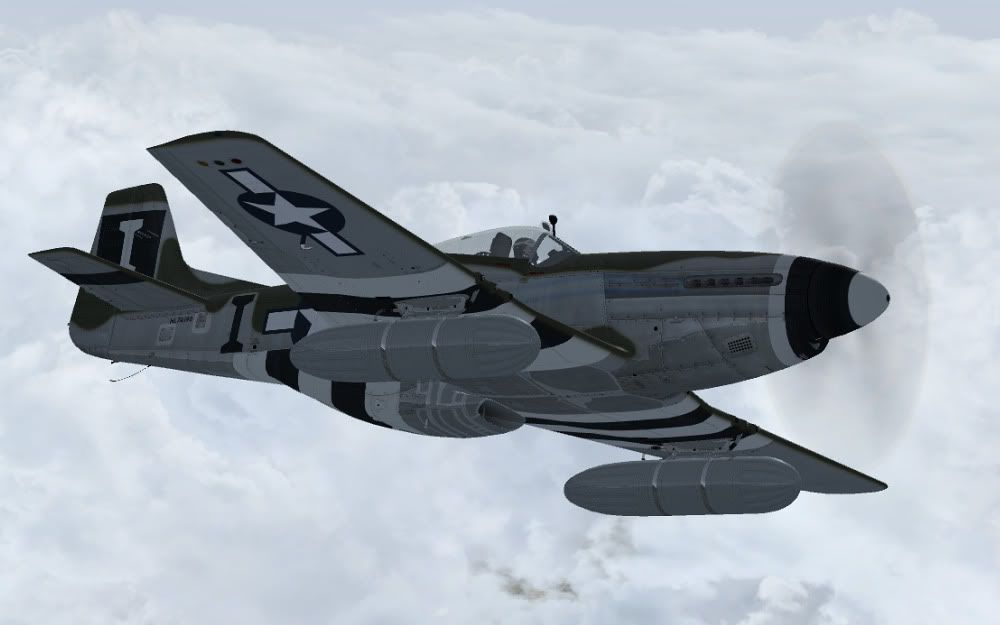
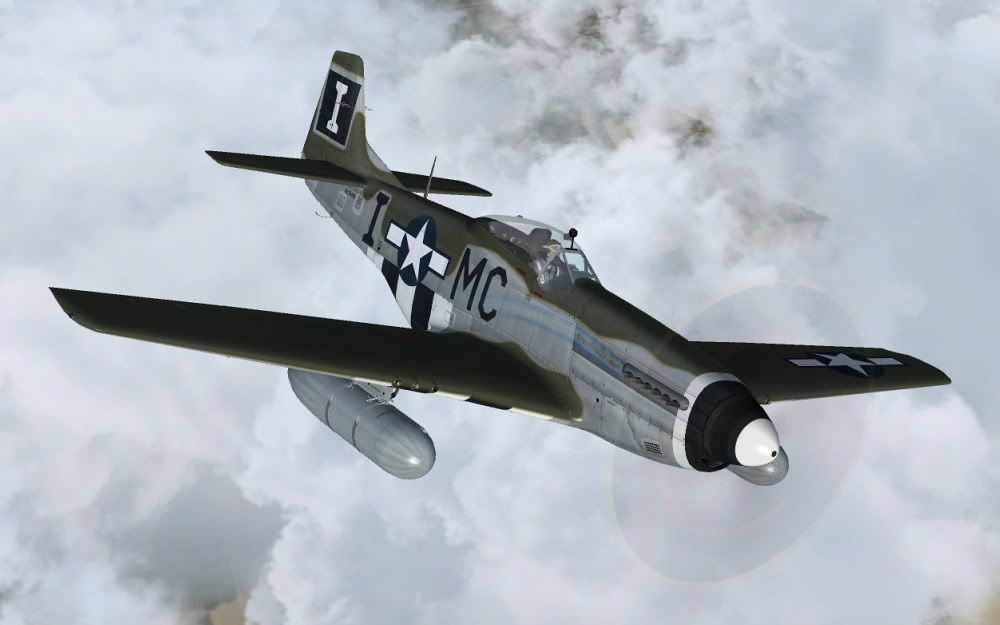
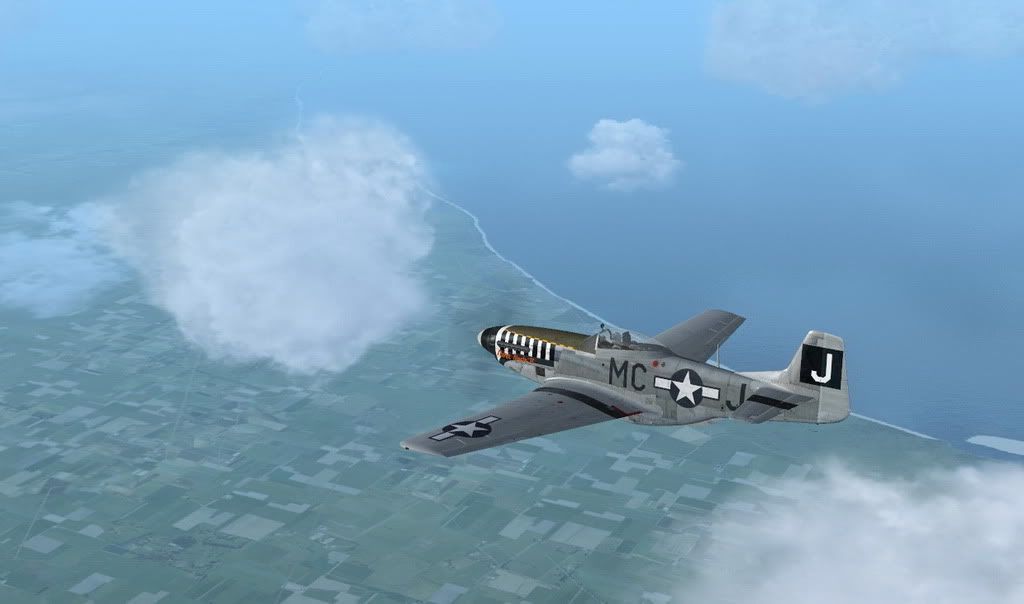
Some recent screenshots from an enjoyable evening outing over Essex, UK.
mstng1.jpg


mstng2.jpg


mstng3.jpg
 
Nice plane and pictures.

I going to post a slide show video of some military airbases you can fly in as soon as it loads.

Thanks,

flyer01:salute:
 
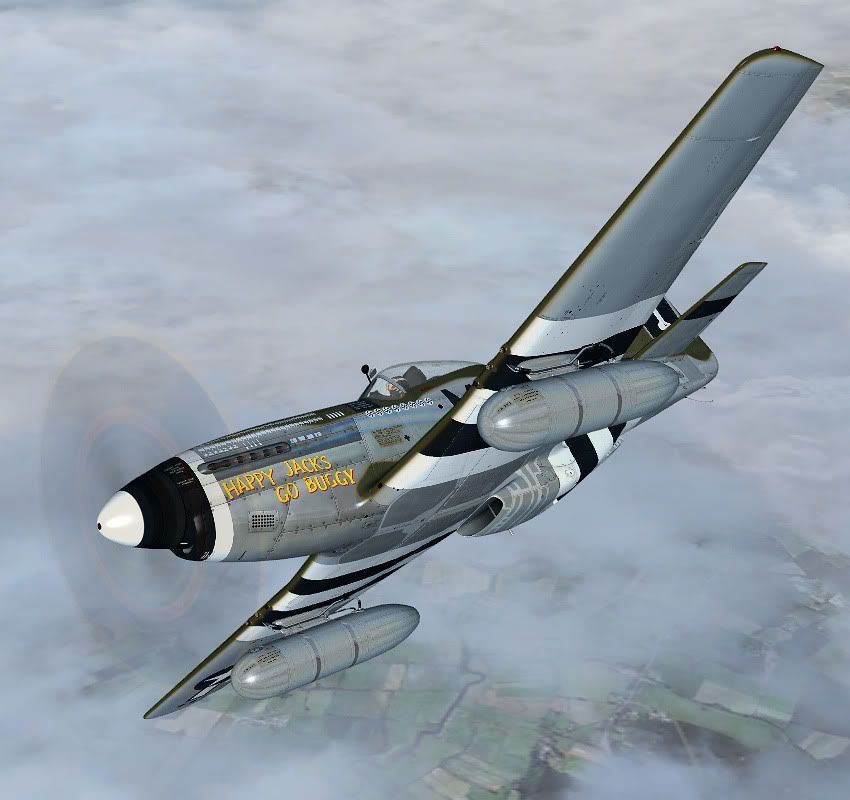
Yep, these are the 108-gallon types. They even had 110-gallon types, but the 108's are more common - and seen today in replica form.

Before I modeled them, I actually was up close and personal with the examples fitted to "Happy Jack's Go Buggy" in 2008, and "Sweet & Lovely" a few years before that. Bob Baker, owner/restorer of Sweet & Lovely and Little Rebel, was able to purchase a superb, original, surviving 108-gallon tank, years ago (one of something like only four originals known to exist). With the one original restored, a mold was taken of it, and new carbon-fiber tanks were produced, each showing all of the same original pattern lines, defects, etc. What is so great about the carbon-fiber types, is that they can actually be used for carrying fuel, time and time again, if desired. The original tanks, made of paper, would begin to disintegrate after fuel had been in the tanks for more than 7-hours - one of the reasons why so few exist of so many produced and used during the war - on missions, they wouldn't be filled until within the hour before the mission began. Upon impact with the ground, they would simply vaporize. Even up close, you simply cannot tell that the carbon-fiber replicas are not the real thing. Using photos and dimentions I gathered, I was able to model them accurately, including all of the proper plumbing, stenciling, and patterns.

These are the carbon-fiber replicas that I photographed fitted to Happy Jack's Go Buggy in 2008. Note the authentic glass 'break-away' sections of the plumbing, which I made sure to properly recreate.

108Tank.jpg


108Tank1.jpg


108Tank2.jpg


Thank you all for the comments about the plane and the images!
 
Fantastic shots!! But as a Plumber,I find it Incredibly Dangerous that they use common hose-clamps as a coupler for the fuel tanks to fuel lines.Shirley a Hydraulic snapp-n-lock coupler would be much,much better.
 
how on earth did they make em outta paper?!? multiple layers then coat it in something??
I've heard it described as similar to 'paper mache' - a laminate was used to bond layers of paper together, I believe over either a light-built wire or wood frame. The tanks themselves were manufactured by a company by the name of Bowater Ltd., in the UK. They were so lightly built, that they could easily be handled, despite their size, by a single person (I have a WWII-era photo on my computer of a crew chief holding one over his head!). Once fuel was put into the tanks, it was only a matter of hours before the fuel would turn the paper into mush - used within their limits, they performed flawlessly.

There were tens of thousands of these tanks made during the war, so there were still a large number left unused in the UK, following WWII. As a result, some kids got ahold of these tanks, and turned them into canoes. However, due to the nature of the construction materials, they would soon come apart once lowered into the water, which actually resulted in several drownings! This actually prompted a public warning against using the tanks in such a way. Today, only a very few originals remain.

Patrick - I believe the hardware that was used on the restoration to secure the lines is the same as was used during the war - when displayed in 2008 with the tanks installed, though they were hooked up to function, they were never actually used.
 
Another little tid-bit of information...

"Happy Jack's Go Buggy" is one of only 3 or 4 airworthy P-51D's that actually have working fuselage fuel tanks installed. In 2008, coming out of restoration, a couple of test flights were actually conducted with fuel in the tank. I believe only 36 gallons of the total possible 85 gallons were filled, and according to pilot Vlado Lenoch, even this could easily be felt - resulting in a similar feeling to carrying a 200lbs+ person in the back of a two-seat Mustang. The immediate effect is that backward stick forces are lighter, since the center of gravity is shifted aft. This is most important to keep in mind on take off, when back pressure is used to become airborne. In the original pilot's manual, it is advised that in combat, 40-gallons (no more) be kept in the fuselage tank, to provide these lighter stick forces.
 
I have been wanting to do this for some time...

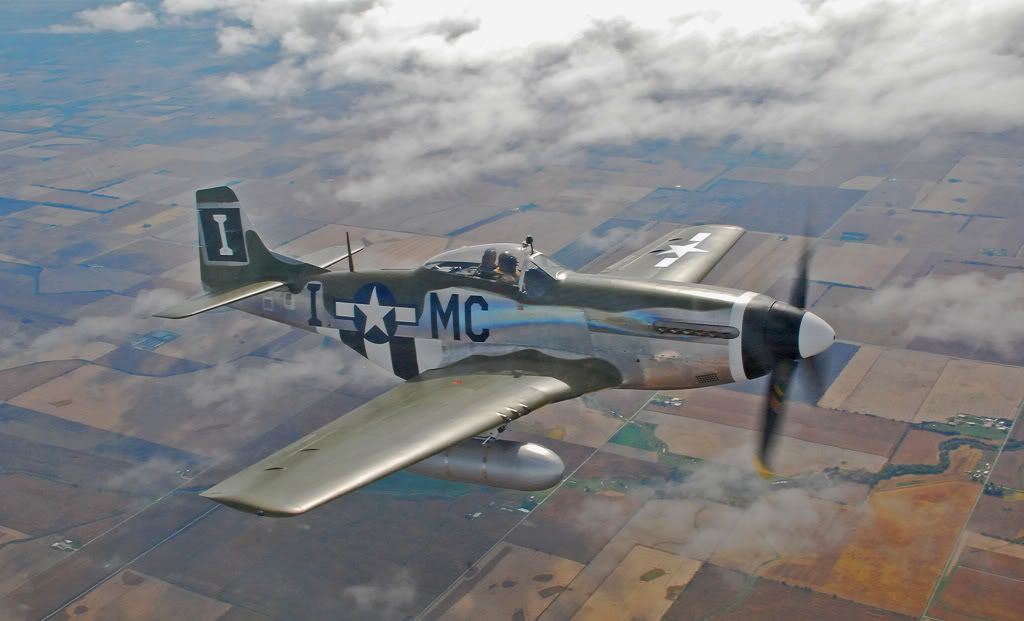
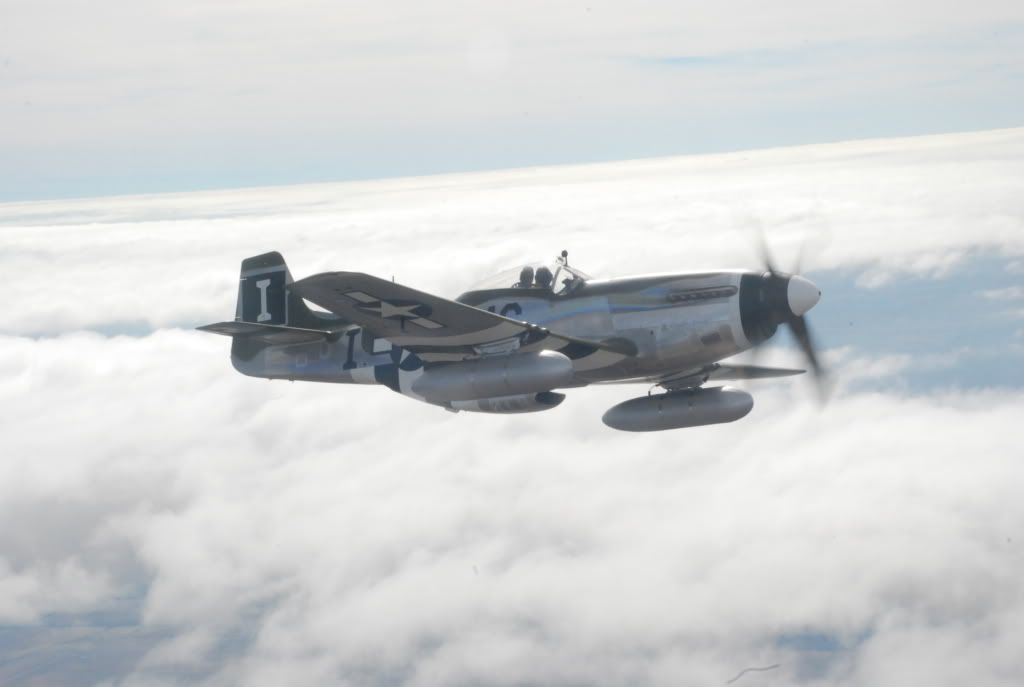
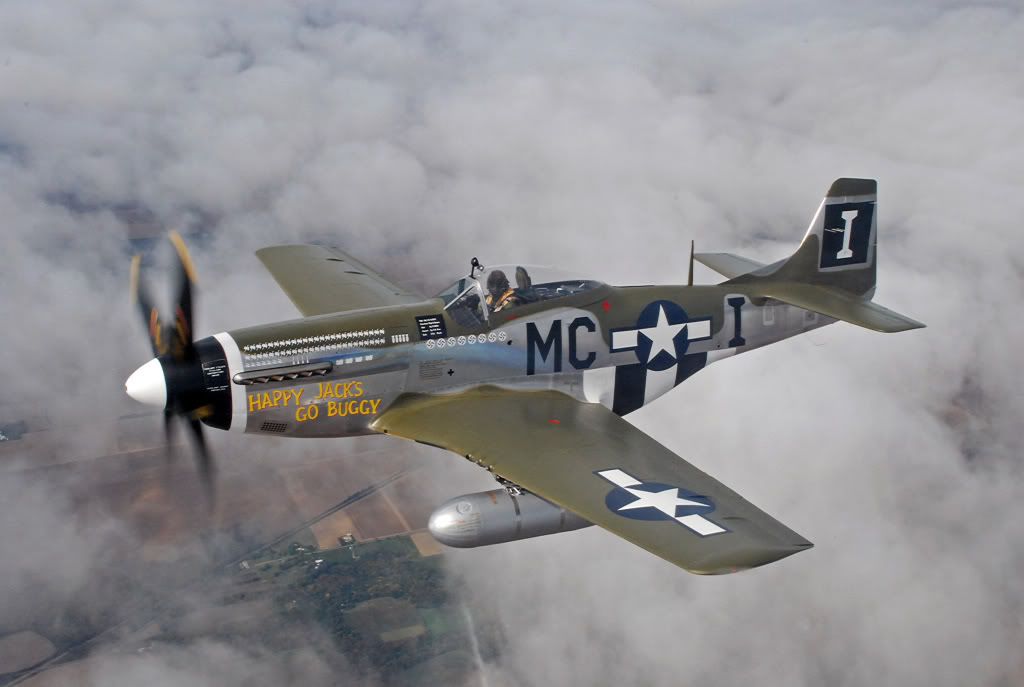
Here are some photos of the real "Happy Jack's Go Buggy", taken by Mike Vadeboncoeur, president of Midwest Aero Restorations Ltd, which restored this aircraft, for sake of comparison with Warbirdsim's recreation. Any one of these photos could be straight from WWII, as everything is period correct, down to the patina of the metal and pilot's gear.

Mustang_Img.jpg


DSC_3192.jpg


DSC_3190.jpg


DSC_3238.jpg
 
Back
Top