• There seems to be an uptick in Political comments in recent months. Those of us who are long time members of the site know that Political and Religious content has been banned for years. Nothing has changed. Please leave all political and religious comments out of the forums.

    If you recently joined the forums you were not presented with this restriction in the terms of service. This was due to a conversion error when we went from vBulletin to Xenforo. We have updated our terms of service to reflect these corrections.

    Please note any post refering to a politician will be considered political even if it is intended to be humor. Our experience is these topics have a way of dividing the forums and causing deep resentment among members. It is a poison to the community. We appreciate compliance with the rules.

    The Staff of SOH

  • Server side Maintenance is done. We still have an update to the forum software to run but that one will have to wait for a better time.

An Investment of Research, Time, and Passion...

Bomber_12th

SOH-CM-2025
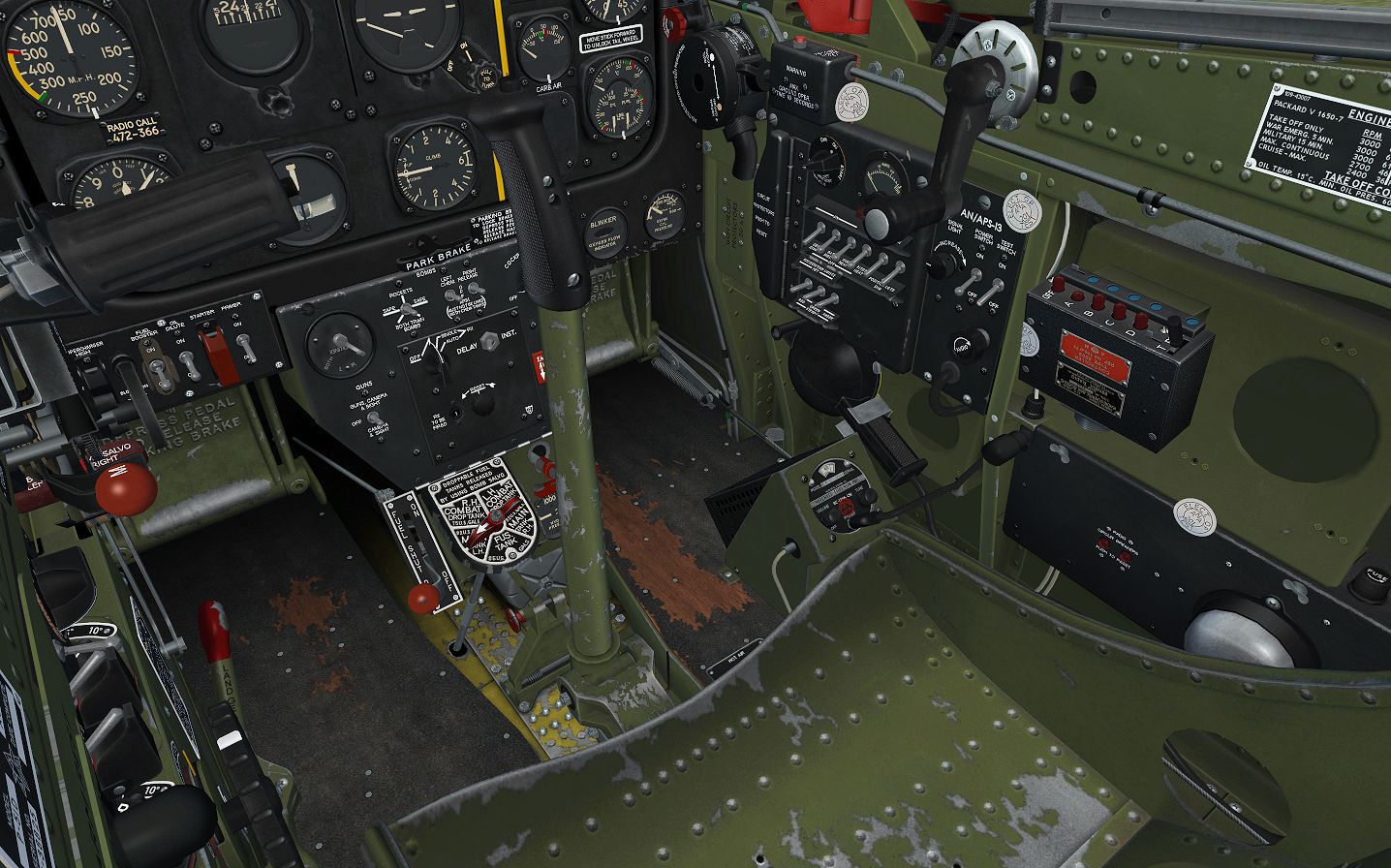
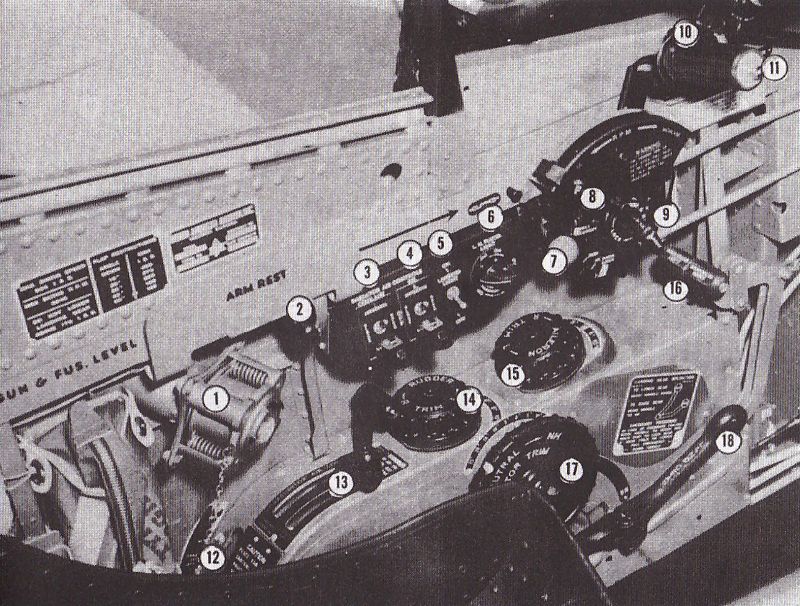
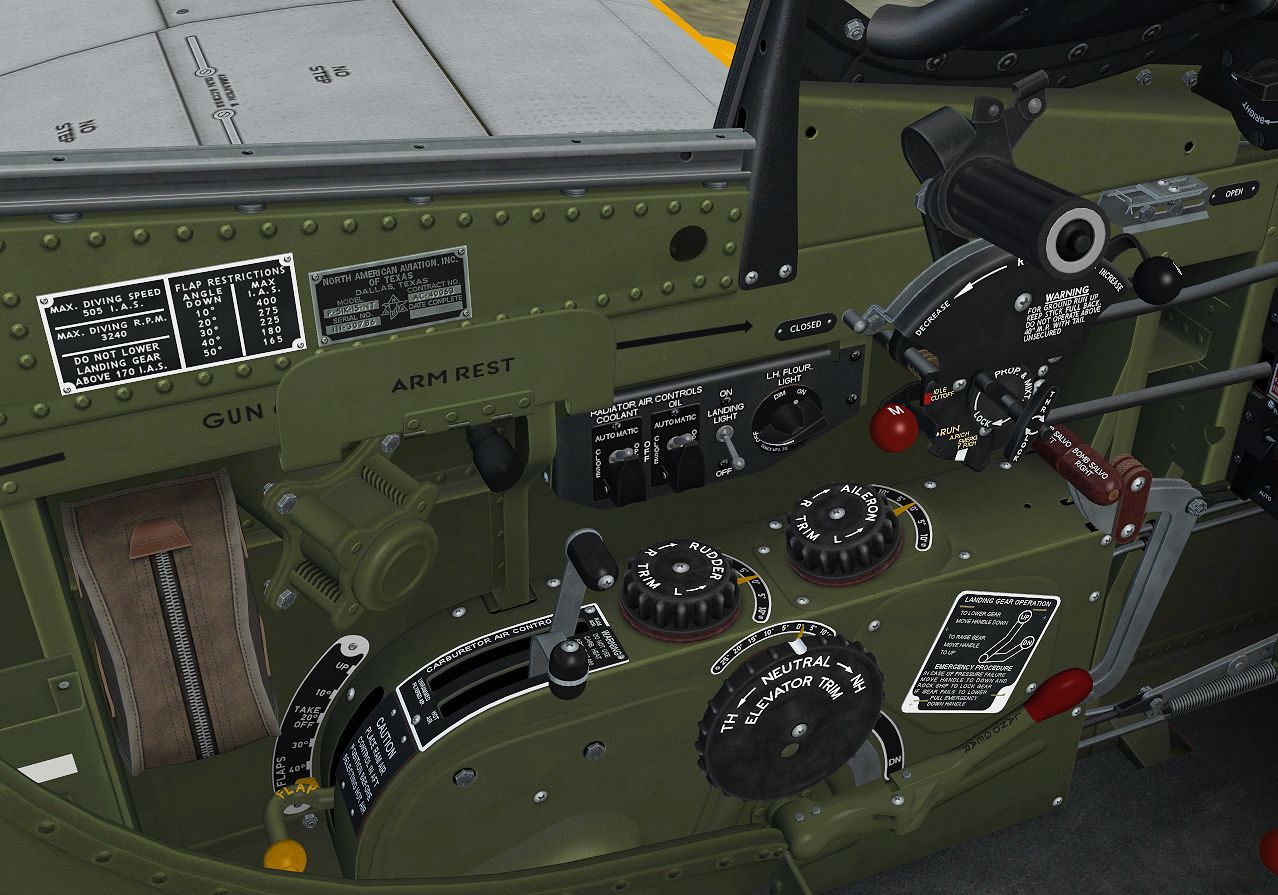
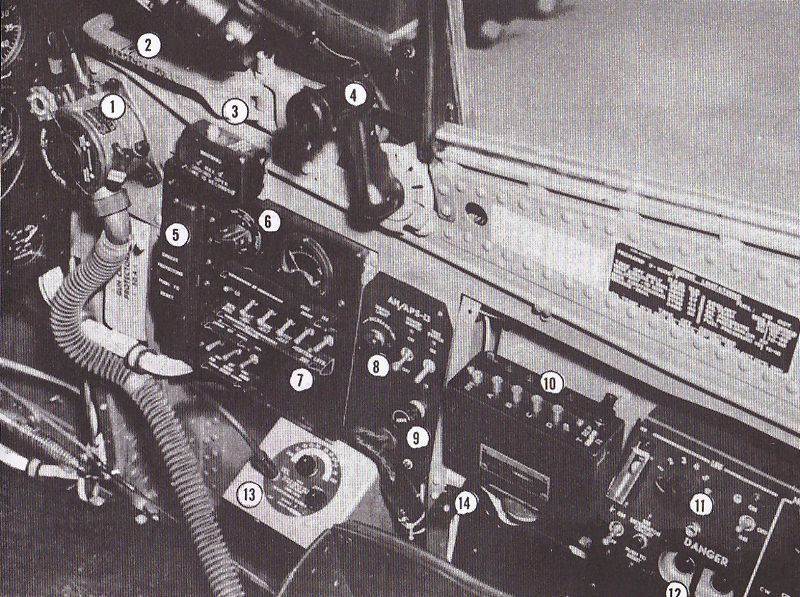
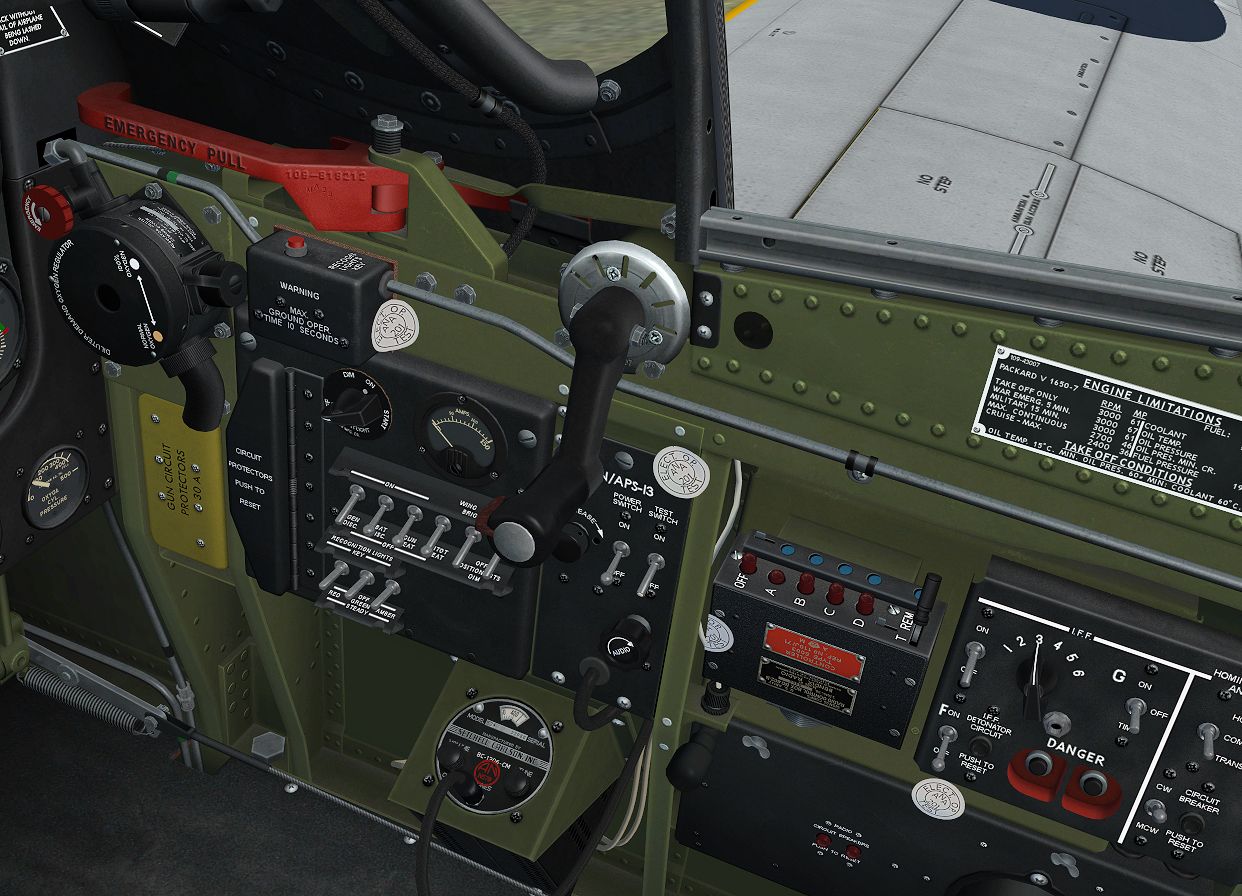
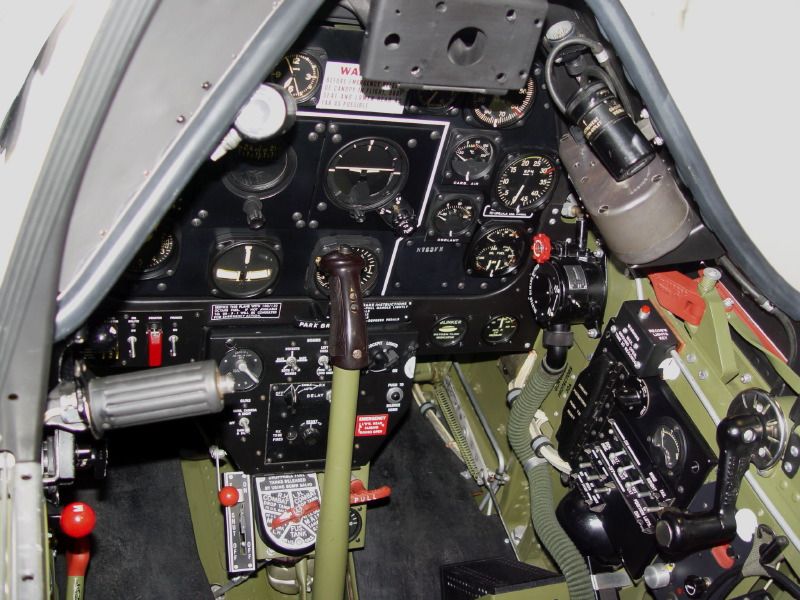
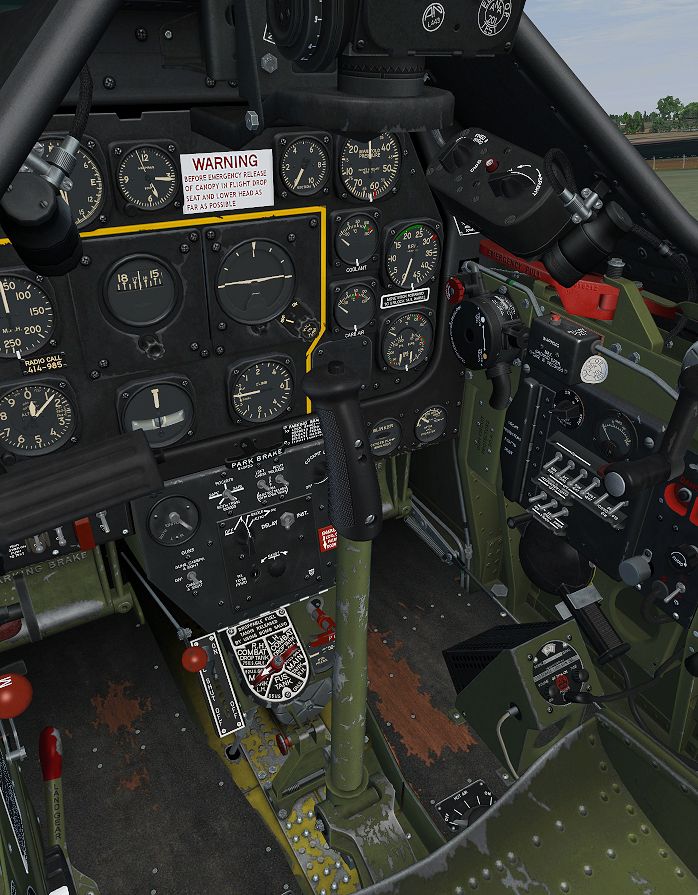
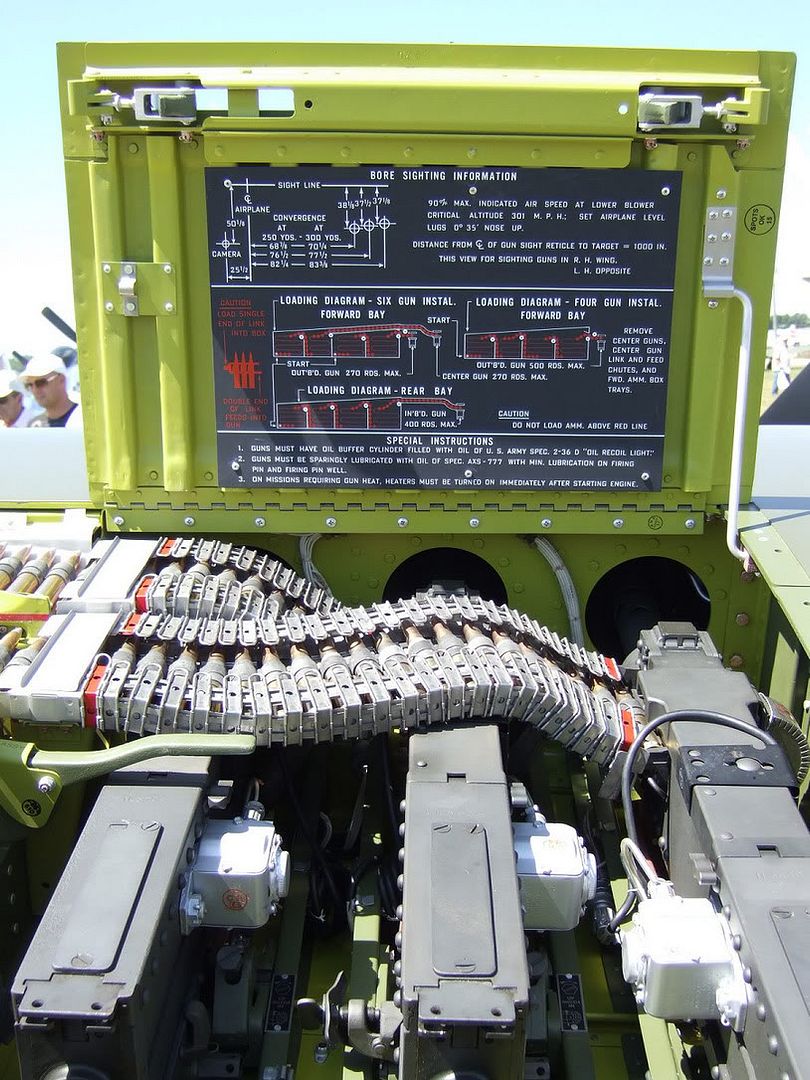
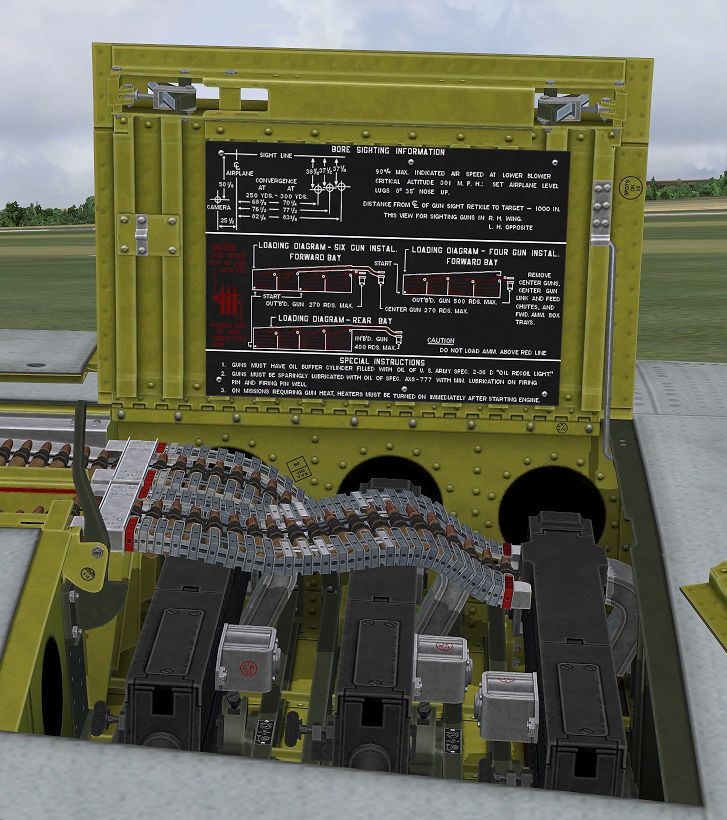
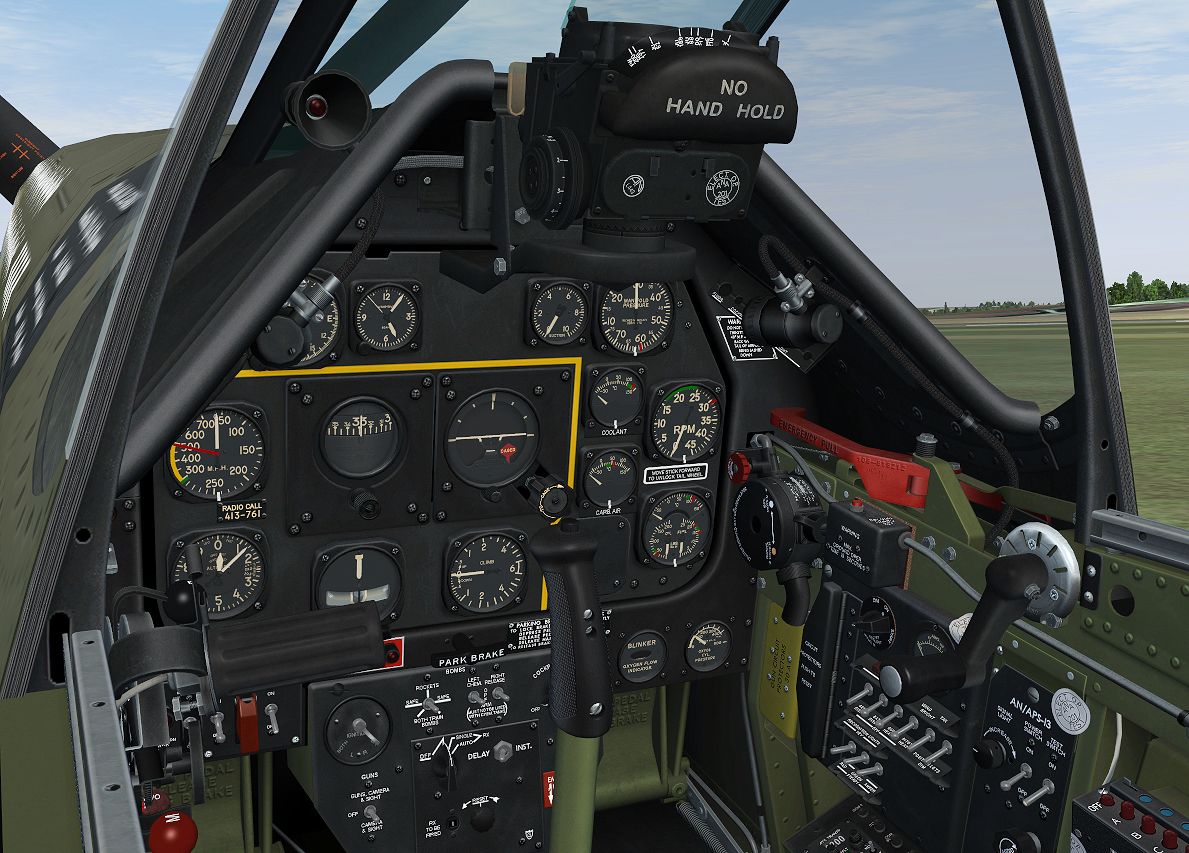
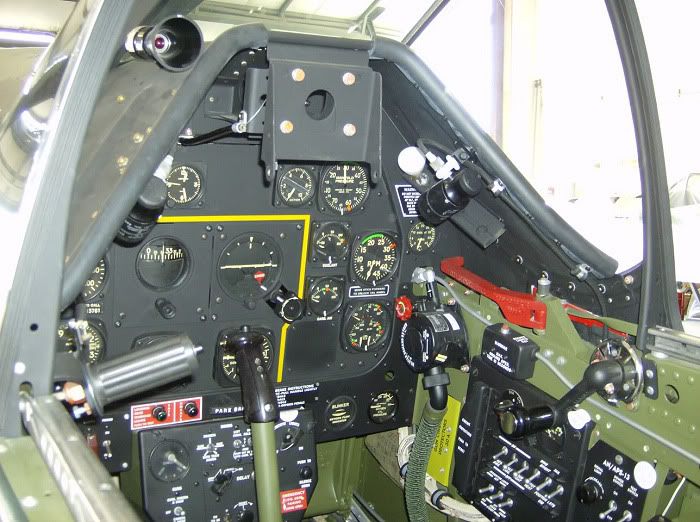
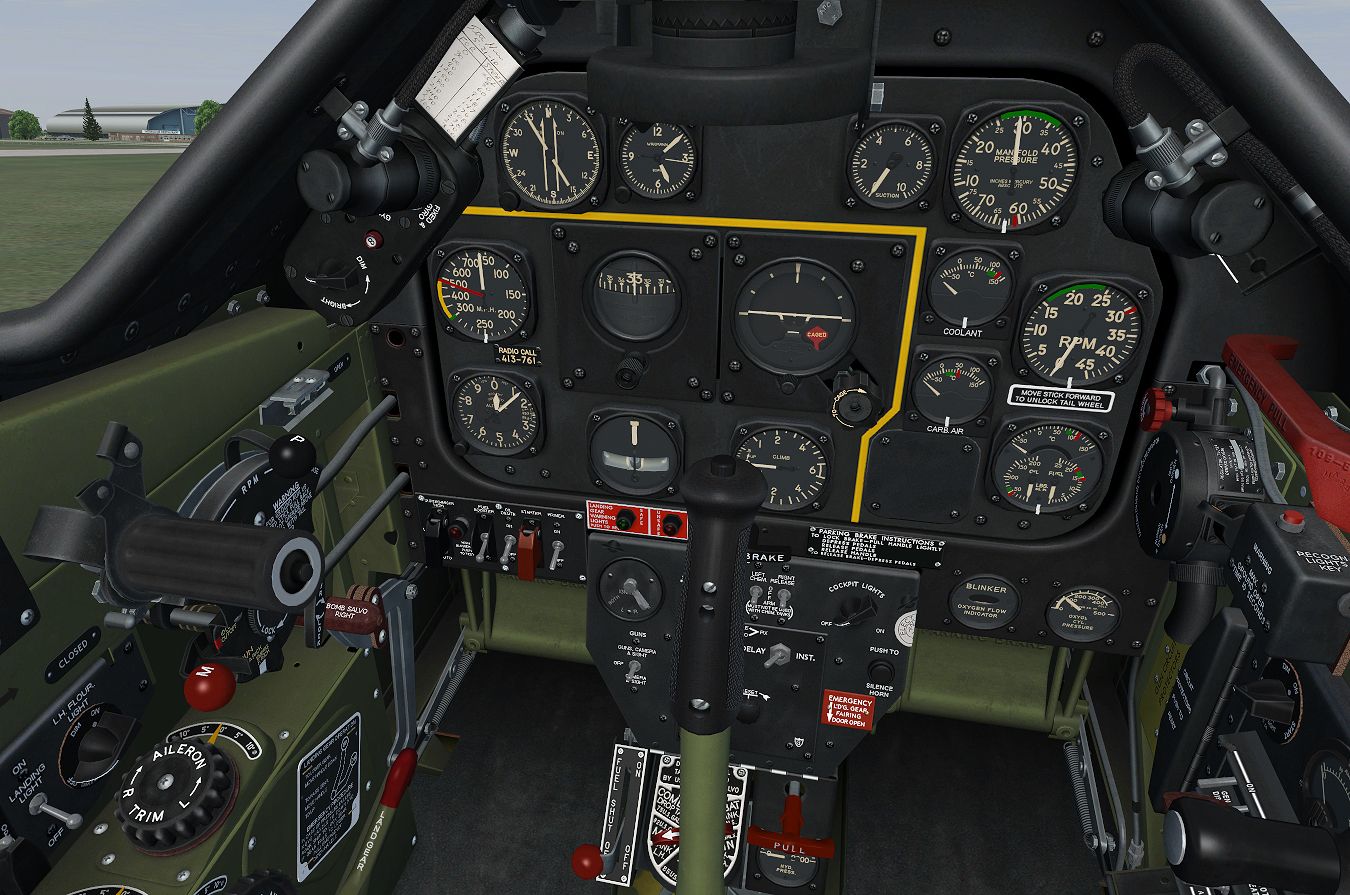
I thought I would post some quick comparisons between the work invested in the various cockpits of the Mustangs in Warbirdsim's "Little Friends", with that of actual examples both past and present. This is the result of 2.5 years of research and development work, through consulting original blueprints, photos (thousands), maintenance and assembly manuals, discussing with experts who have spent life-times involved in researching the P-51D down to the littlest of details, and maintenance and restoration experts - who actually maintain and restore Mustangs today, and are some of the most knowledgeable on the planet in all things regarding the Mustang. There is of course much more as well, including 'field trips' to visit with kind-Mustang owners and their aircraft, and photographing them in every square-inch.

I have a great passion for the Mustang - although I seem to hear it from time to time, it isn't the popularity of the Mustang that has led Warbirdsim and I to produce these products, it is simply our own passion to see them presented in an accurate and authentic manner. Within these aircraft, I hope to provide the best education you could gain about the P-51D Mustang in flight sim form, and of course have that education be an accurate one.

If not for anything else, I hope you enjoy this little comparison.
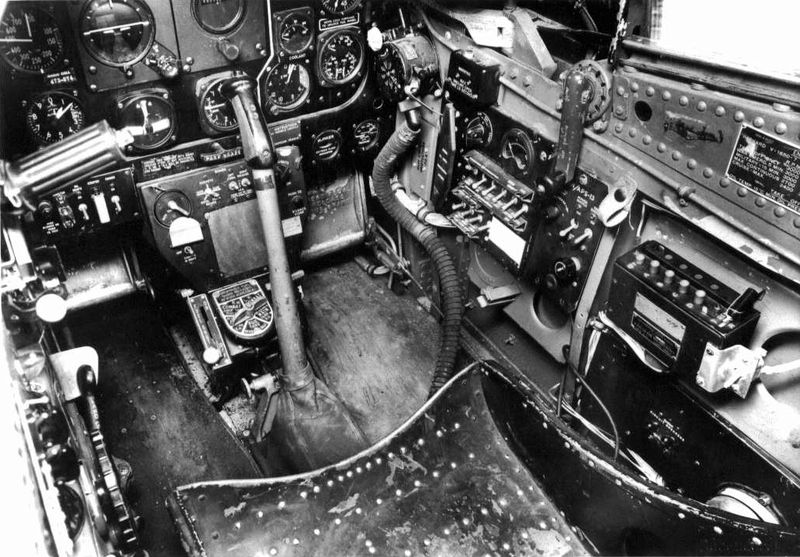
J-2002cockpit_a-1.jpg


compa_1.jpg


left_cockpit.jpg


compa_2.jpg


right_cockpit.jpg


compa_3.jpg


DSC01507JPG.jpg


compa_4.jpg


MuseumofFlightRestoration.jpg


compa_5.jpg
 
Nice comparison shots!

I'm suffering from "reference envy" as stuff like that for the P-61 is pretty non-existent. I have probably memorized (or downloaded) anything relevant to the innards of a P-61 that exists on the net, and in the end I still find myself having to "engineer" some parts based on what I know about aircraft structure.

That's an incredible body of work you have done. :ernae:
 
Nice comparison shots!

I'm suffering from "reference envy" as stuff like that for the P-61 is pretty non-existent. I have probably memorized (or downloaded) anything relevant to the innards of a P-61 that exists on the net, and in the end I still find myself having to "engineer" some parts based on what I know about aircraft structure.

That's an incredible body of work you have done. :ernae:

Thank you, Robert! It is a blessing to have so much available on the P-51 - though with that too, you have to spend time weeding-out the right stuff from the wrong stuff.
 
*modelers nit pick* no tube for the oxy controls? *end modelers nit pick*


:icon_lol: :wavey:

Stiz, there unfortunately wasn't much left in the way of polygons to use for modeling it, with so much else going on on the right side of the cockpit as well.
 
Bomber

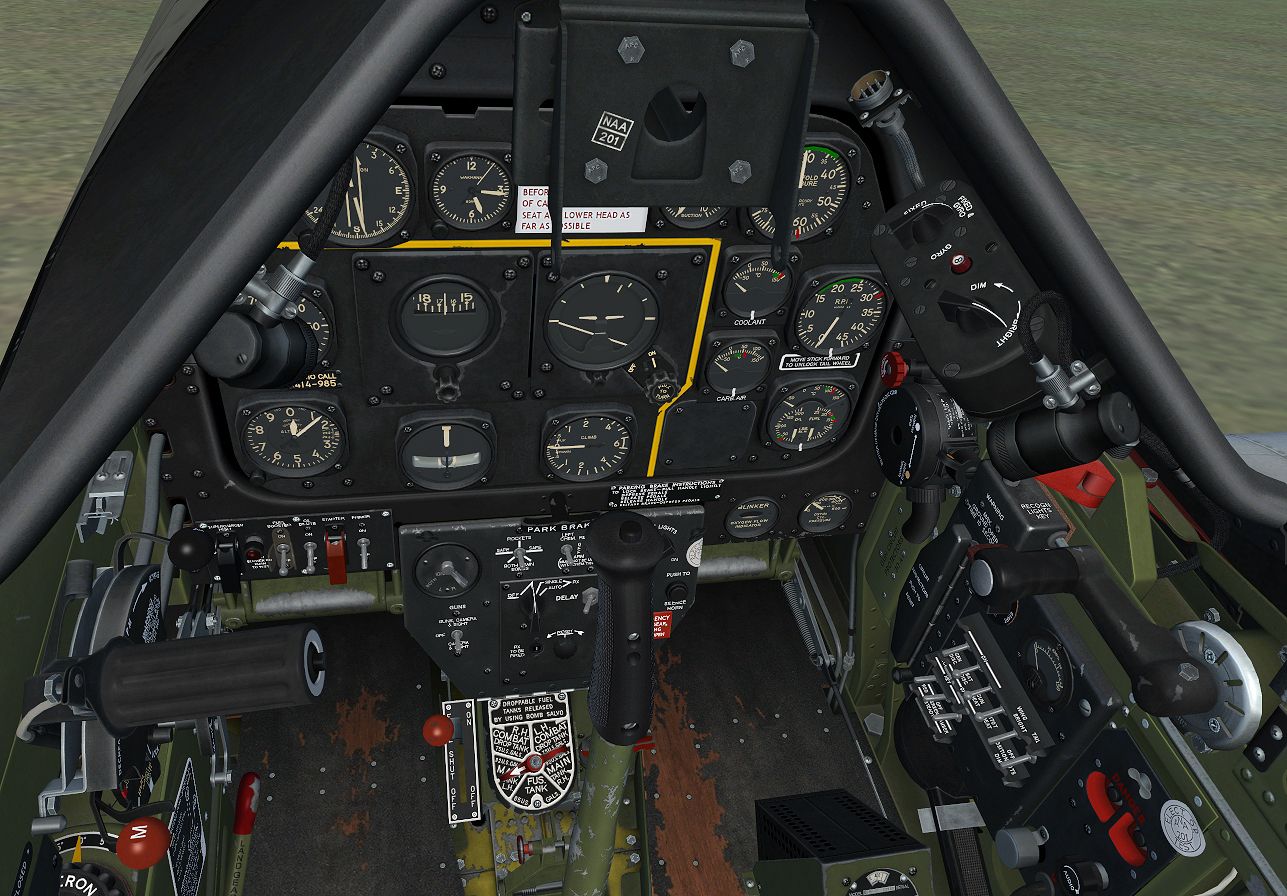
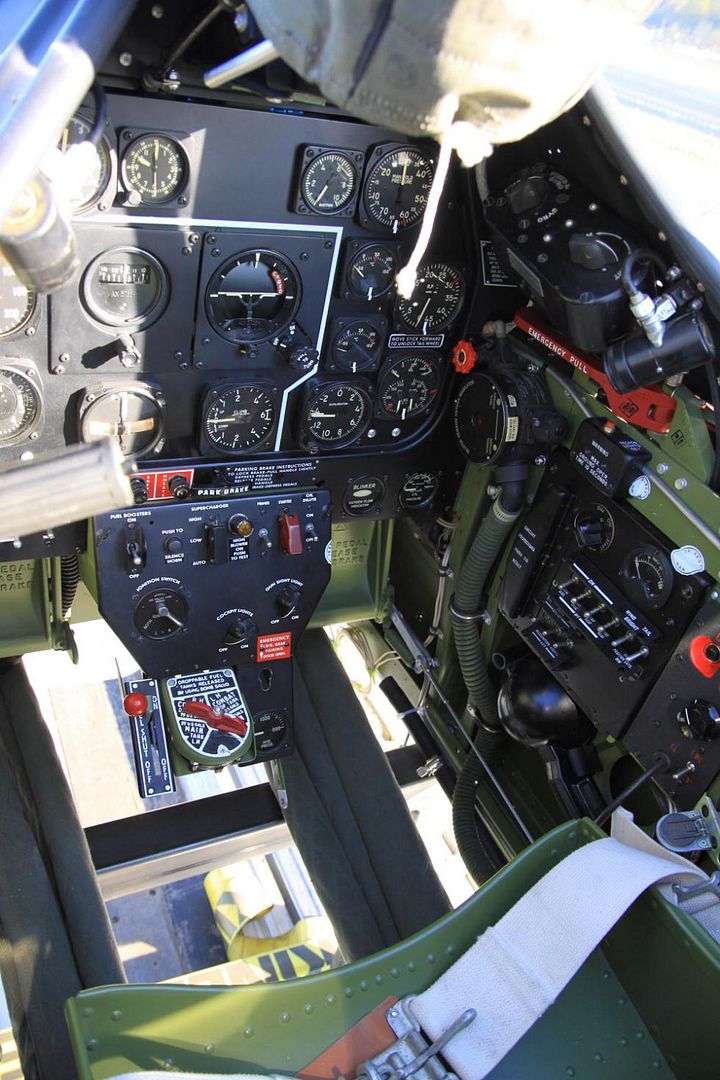
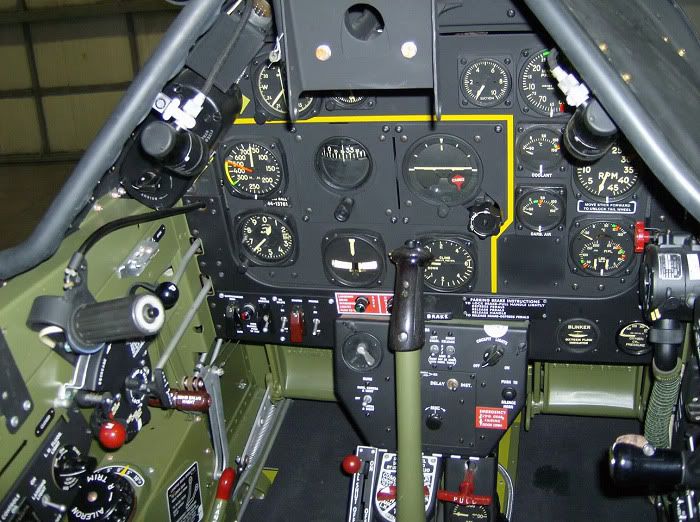
I was comparing the real to the sim and was totally blown away by how well the sim VC matched the real cockpit. That all ended with the last two comparison shots in the initial post....the ones that show the instrument panels. On the real panel, the line around the primary flight gauges is white, while that line in the sim VC is yellow.

I don't know how you sleep at night releasing a model with that glaring inaccuracy, that utter lack of attention to detail. You should be ashamed of yourself for such ineptitude and incompetence.

Of course, I am just being cheeky and yanking your leg! The attention to detail, the quality of the modeling is amazing! You produced a sim model that is as close to the real deal as I have ever seen. Bravo!

OBIO
 
Instrument Panel Flying Gauges Line

Thank you OBIO!

That white line on the instrument panel, in the last two real-photos, is actually one of the glaring errors on those two restored Mustangs! Although I forget the exact serial number, the white line stopped at during either P-51D-5-NA or P-51D-10-NA production, where then yellow was always used form then afterward. The actual point at which the change happened, is actually written in NAA documents. The second to last real-photo, is from the cockpit of the restored "Upupa Epops", a P-51D-20-NA, and the line on the instrument panel, being white, is the only issue I have found with the restoration, otherwise being spot-on.

Here are a few images and FS-comparisons of the cockpit on "Happy Jack's Go Buggy", with the proper stripe color for the production model of the P-51D shown:

compb_1.jpg


comp_1.jpg


compb_2.jpg


comp_2.jpg
 
Through the various photos, you can also see how the oxygen regulators were often varied, between one Mustang to the next. The canopy handle design was also different on the earliest-production P-51D's, compared to that of the later types. There were also differences in the Manifold Pressure gauges, RPM gauges, and gyro gauges between certain production blocks. The placement of the radio controls and gun sight controls also varied between earlier P-51D's, and later types.
 
You are missing 42 rivets.
N2056,
That why I like making the obscure stuff, I don't get 500 experts emailing me every day.
 
You are missing 42 rivets.

Forty three, actually. They don't call us rivet counters for nothing, I can tell 'ee...

'Errors' in restoration are the bane of VC builders. I sometimes wonder how anyone dares build a Mustang/Spitfire/Fw190 cockpit lest they be pilloried for evermore, yet they're such beautiful aircraft...
 
I'm more than happy with my purchase John... I tried to resist buying this one (lasted about a day) as it is quite a bit of money and already had the previous 2 packs and the B/C pack... then I saw BBD and caved... :applause:

Matt
 
Tim, not at least in the foreseeable future, but it definitely would be great to do - I certainly have the resources packed away to do so, eventually. The more you learn about the Allison-egine Mustangs, the more you realize how sweet they were, at low to medium altitudes. Powered by one of the finest aero-engines of all time, the Allison runs extremely smooth compared to the Merlin, and demands far, far less maintenance. The late Gerald Beck knew this perfectly, and that is what led him to reproducing the P-51A through Tri-State Aviation. Before all of that began, however, he just wanted a Mustang with an Allison engine in it, because of how great of an engine it is. It is also a very speedy little plane at low to medium altitudes.

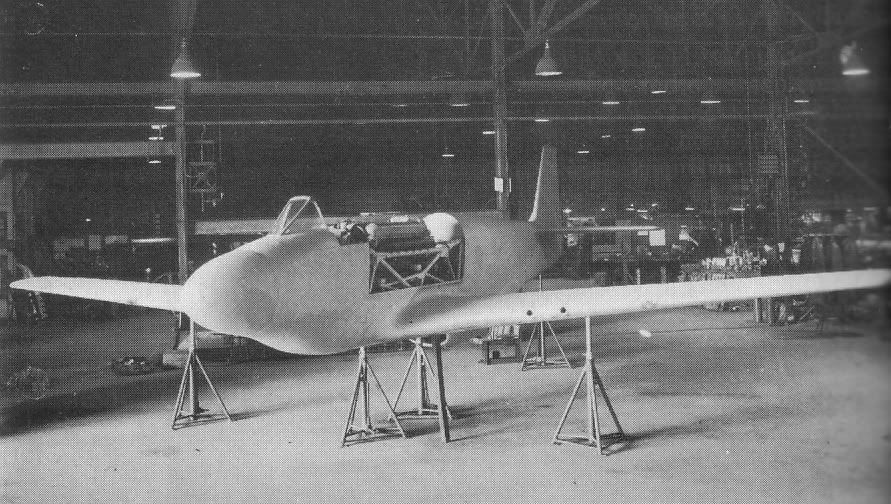
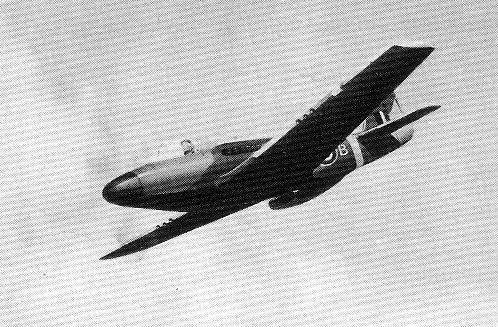
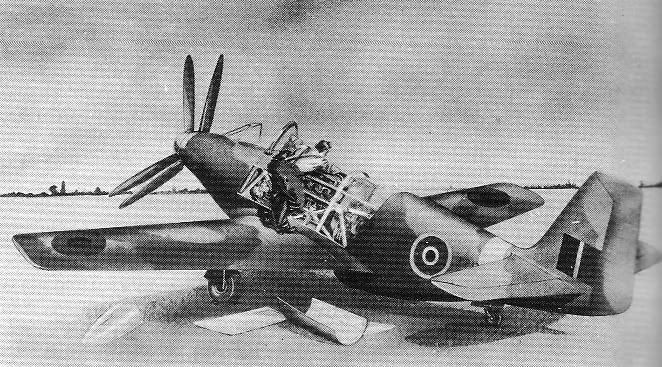
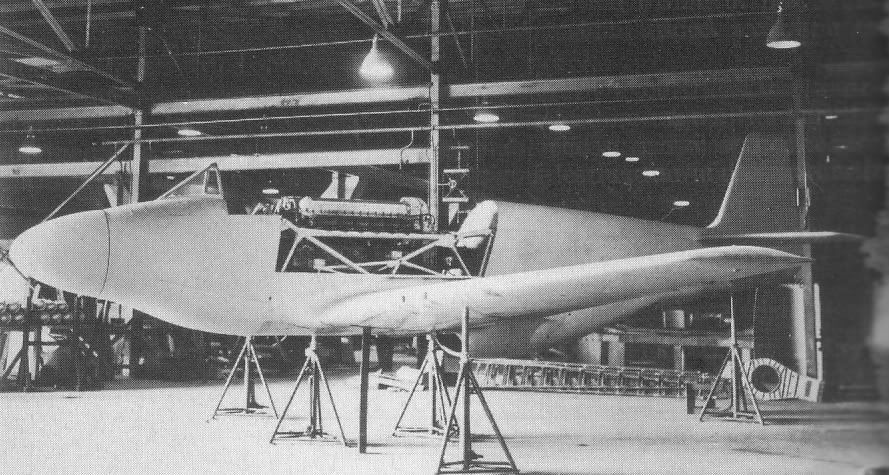
Tim, speaking of the P-51A design, there was a bit of a British interest in sticking a Griffon engine into the P-51A airframe during WWII, and in doing so, would place the engine behind the pilot, and the pilot up near the front of the plane. It never became much more than a concept, but I thought of you the moment I found out about it!

GriffonMustangb.jpg


GriffonMustangc.jpg


GriffonMustangd.jpg


GriffonMustanga.jpg


Thank you all for the comments regarding the work, it is very highly appreciated! While I may be a 'rivet counter' as well, I prefer 'stickler for detail'. ; )
 
Very nice pictures John, they clearly show the incredible accuracy from your work.

For a more popular subject like the P-51 there is a huge amount of documentation available. However it is extremely difficult to separate the rubbish from the genuine information.
Manuals which use pictures from a pre-production cockpit, with equipment which was actually never used on production aircraft. Writers or publishers with insufficient knowledge, who put a wrong picture on a wrong place. Pictures which contain field modifications, which are thought to be original factory released.

My experience is that the books written about less popular aircraft are often more accurate. But again you often need to be an expert to judge the value from what has been written by the experts.....

Cheers,
Huub
 
Back
Top