

-
Please see the most recent updates in the "Where did the .com name go?" thread. Posts number 16 and 17.
-
IMPORTANT DOWNLOADING INFORMATION - ALL MEMBERS PLEASE READ
Please see this thread for updates. Update Thread
SOH ADMINISTRATION
You are using an out of date browser. It may not display this or other websites correctly.
You should upgrade or use an alternative browser.
You should upgrade or use an alternative browser.
Ryan "NYP"
- Thread starter Bomber_12th
- Start date
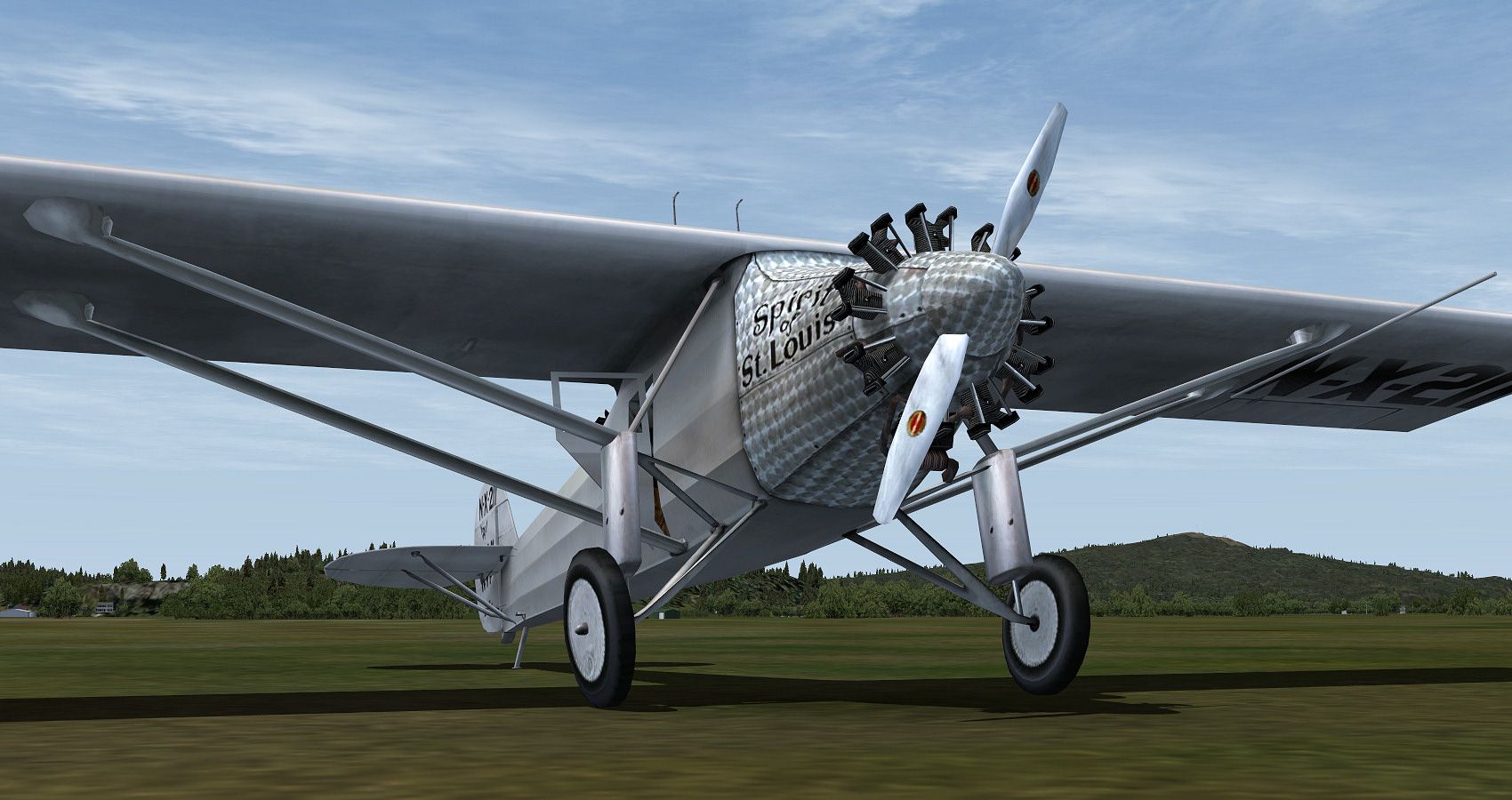
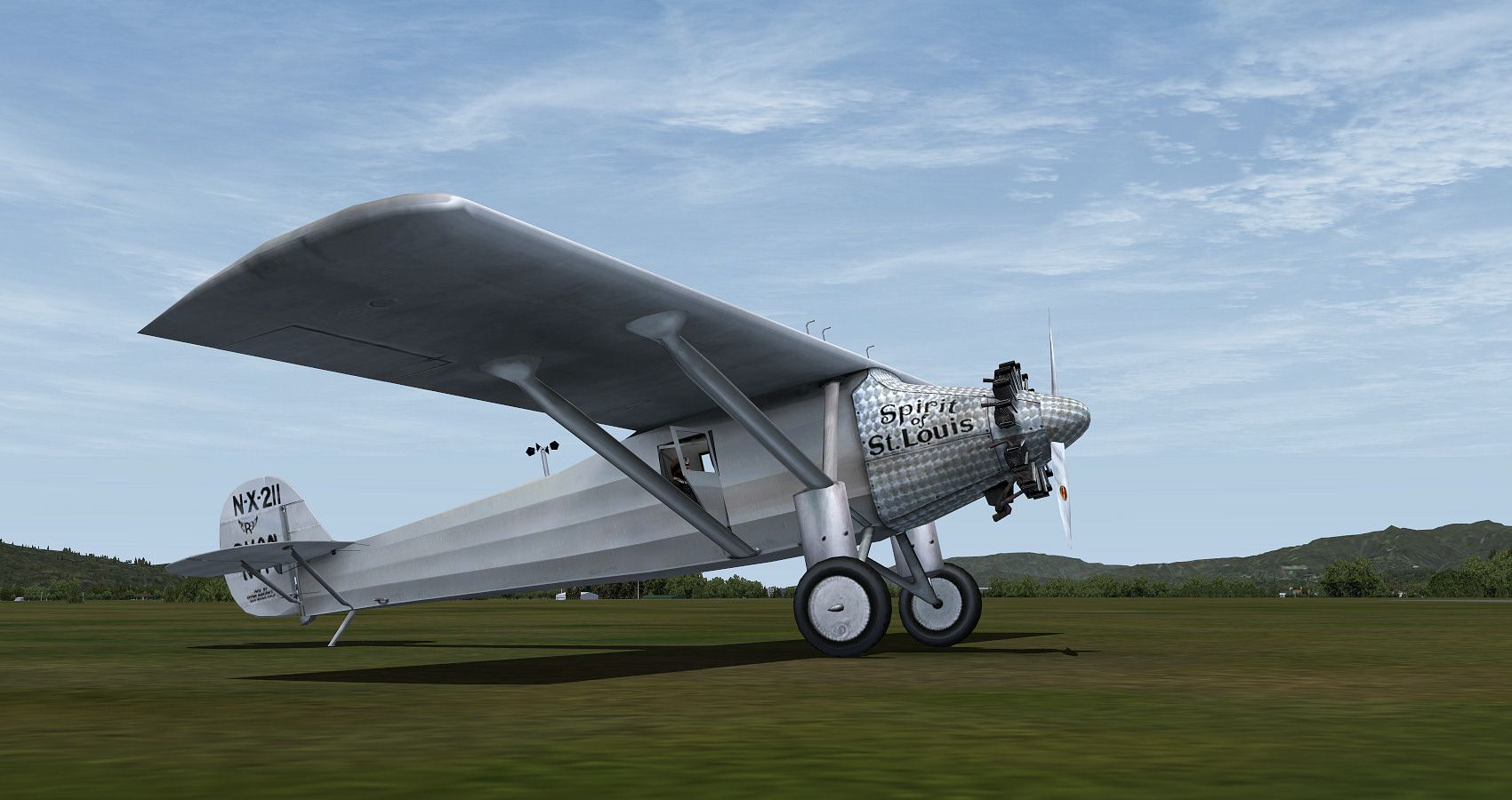
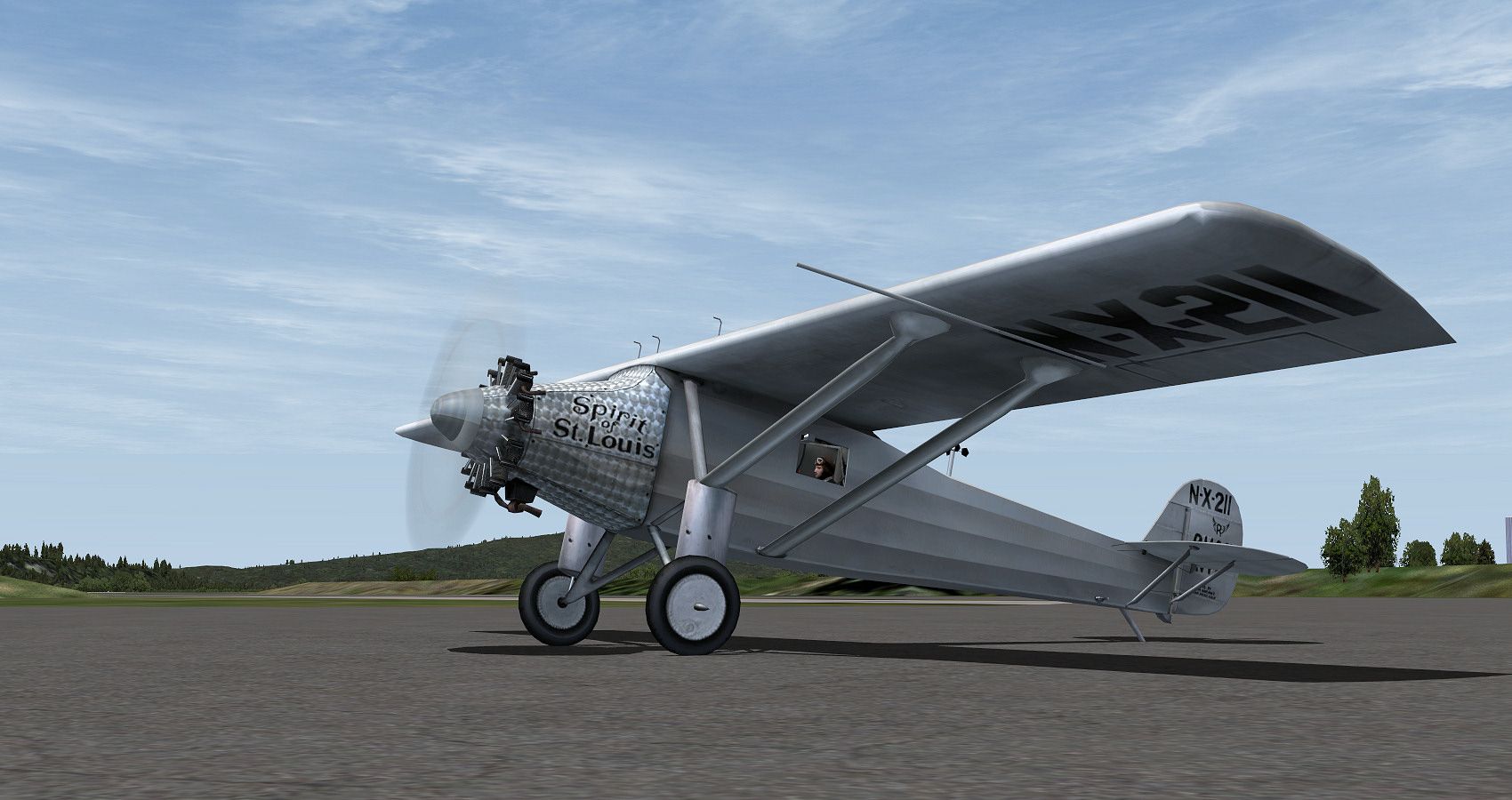
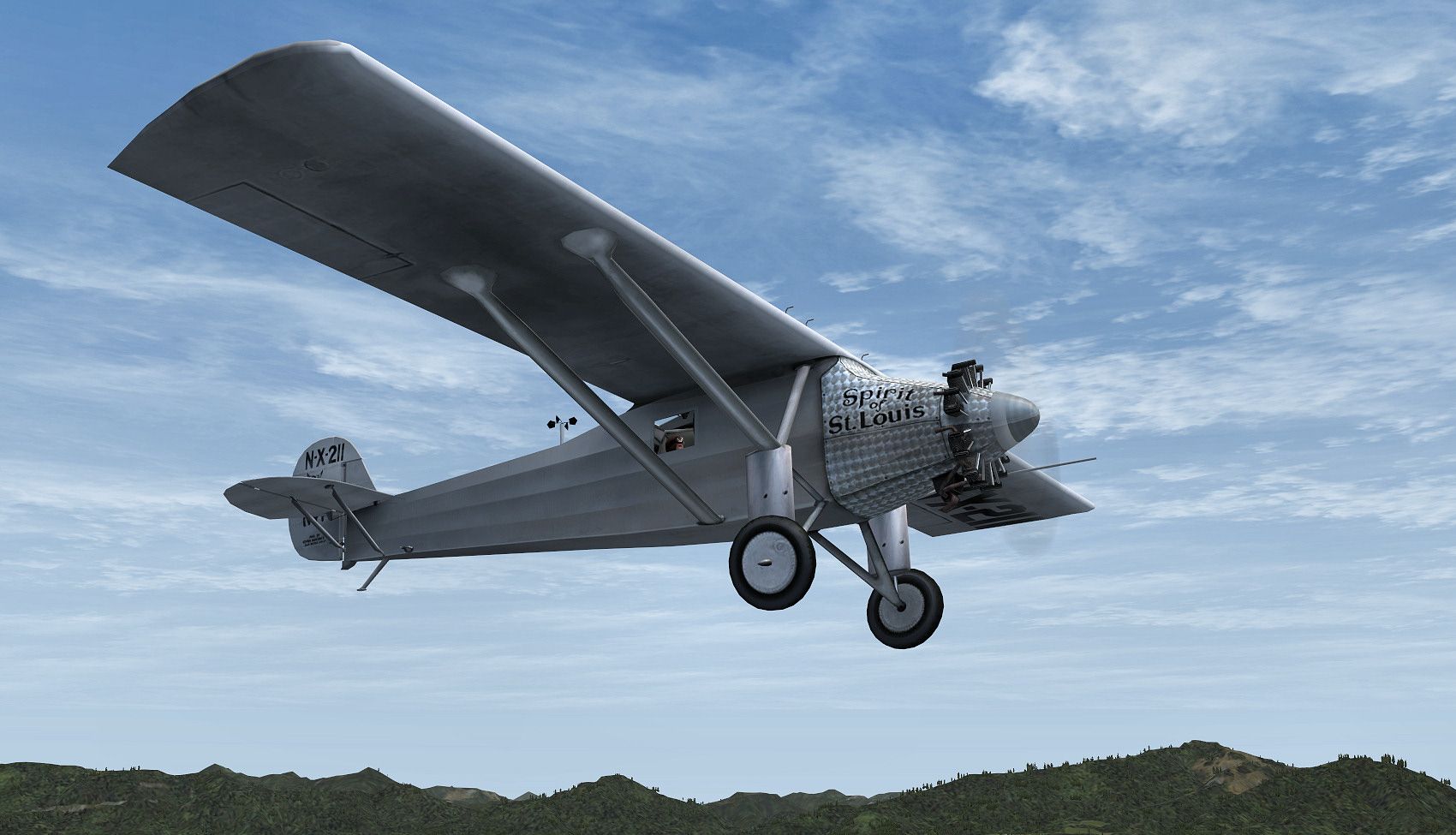
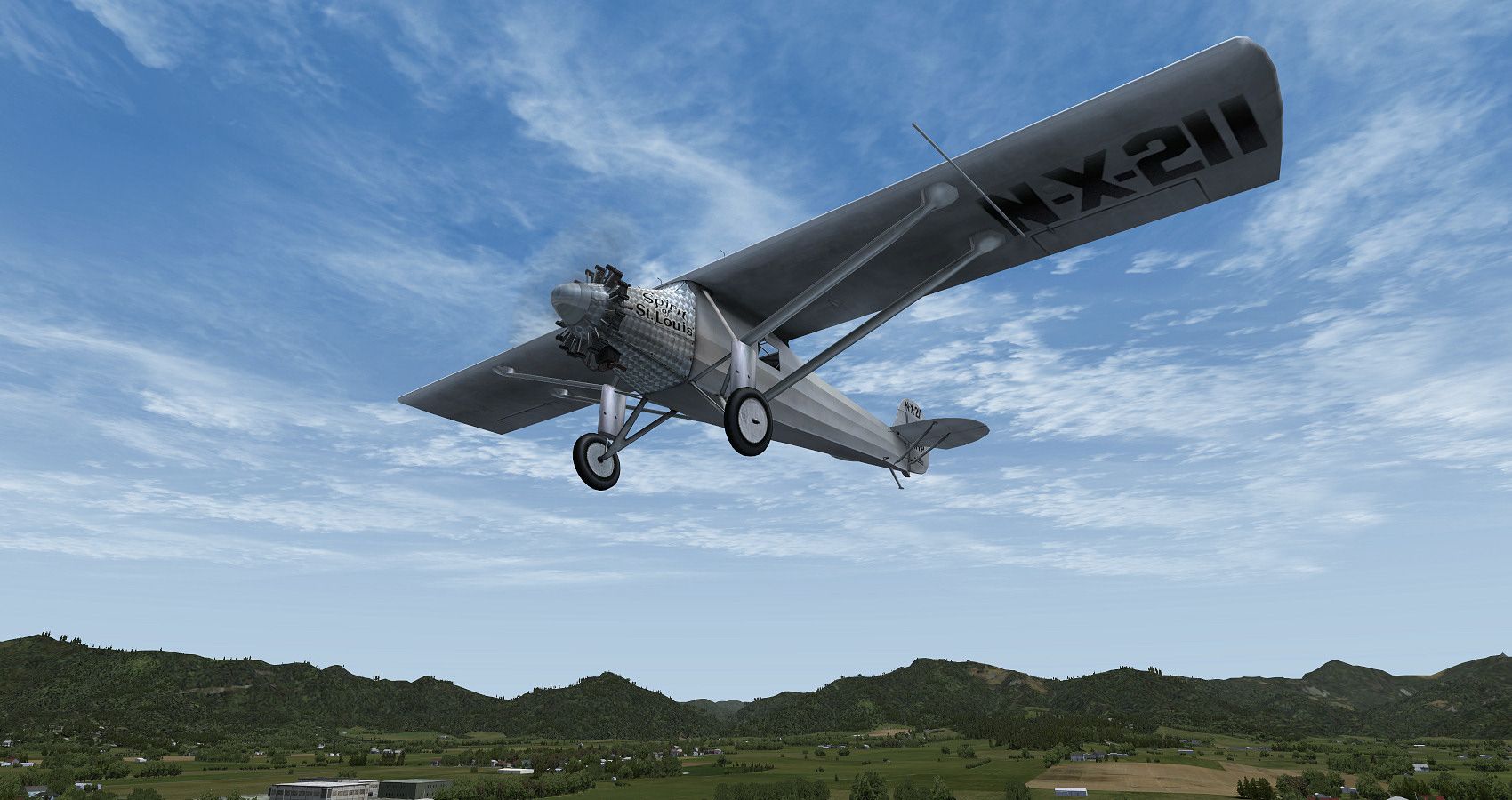
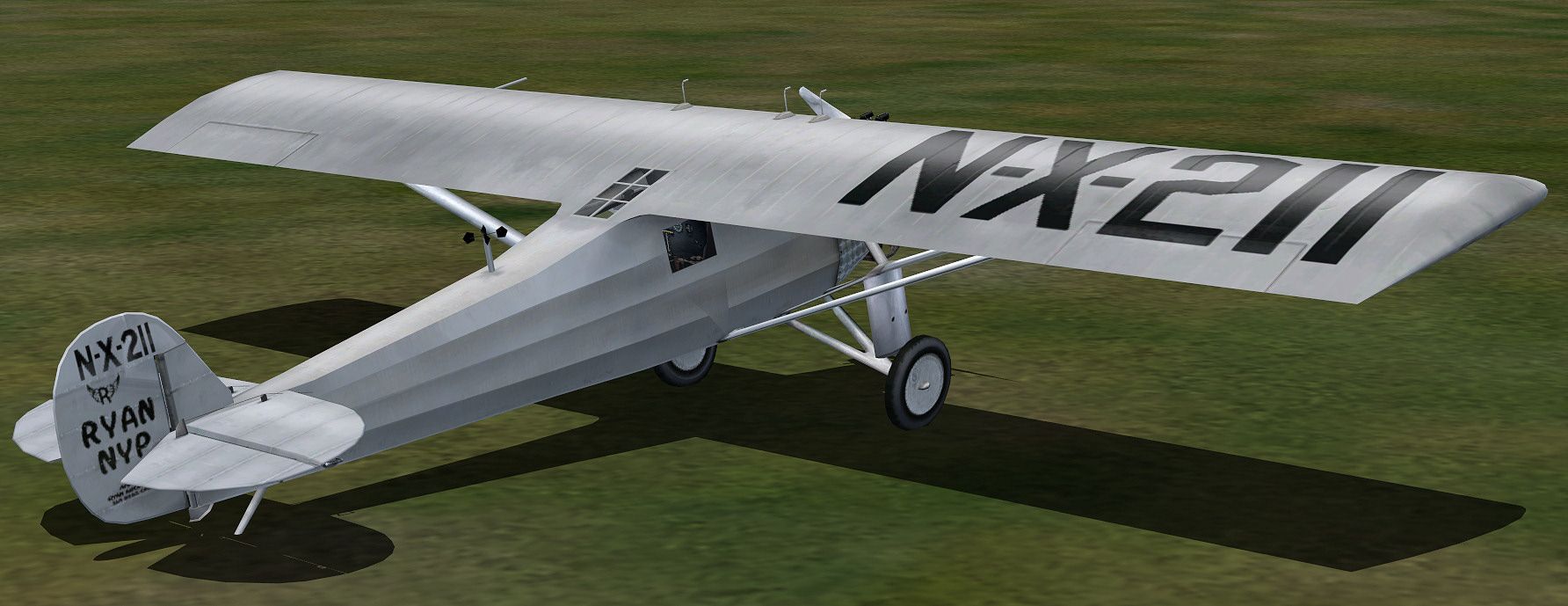
Good stuff, John.
That is a lovely version, I take it out for a spin myself from time to time.
So much more advanced than the NYP I did 15 years ago for FS5.
I just finished reading "The Spirit of St. Louis" (Minnesota Historical Society edition I found at a rummage sale recently), again, by the Man himself. Great book.
Seem drawn to read it every few years around the middle of May.
http://www.amazon.com/The-Spirit-Louis-Charles-Lindbergh/dp/087351288X
I'll probably end up watching the movie version with Jimmie Stewart again this weekend.
That is a lovely version, I take it out for a spin myself from time to time.
So much more advanced than the NYP I did 15 years ago for FS5.
I just finished reading "The Spirit of St. Louis" (Minnesota Historical Society edition I found at a rummage sale recently), again, by the Man himself. Great book.
Seem drawn to read it every few years around the middle of May.
http://www.amazon.com/The-Spirit-Louis-Charles-Lindbergh/dp/087351288X
I'll probably end up watching the movie version with Jimmie Stewart again this weekend.

Ferry_vO
Retired SOH Administrator
Where did that puppy come from?
Fs2004 port-over I think; the only other version I know of is the Flight1 Fs2002 version (In the freeware sction on their site.)
Bomber_12th
SOH-CM-2025
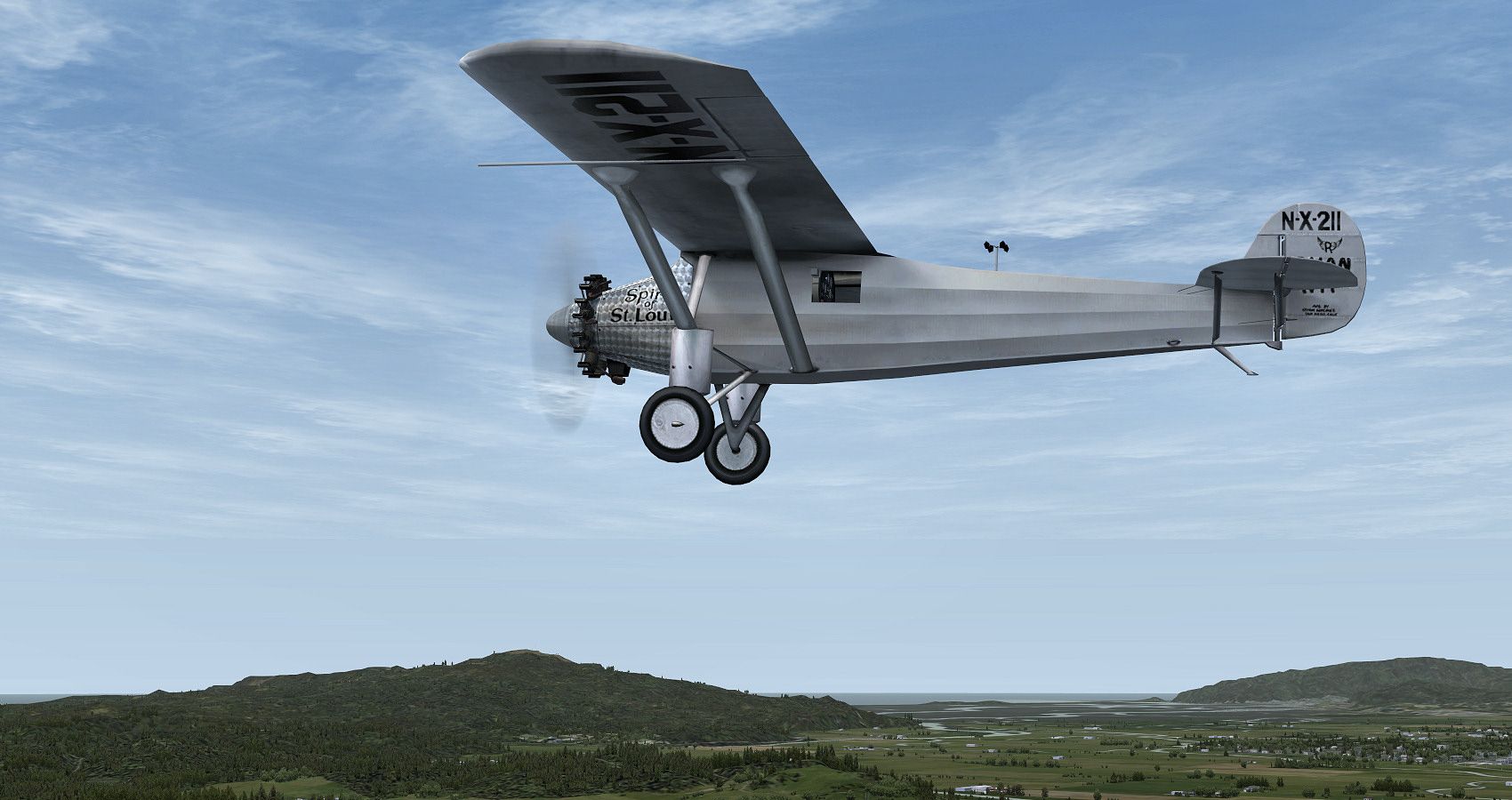
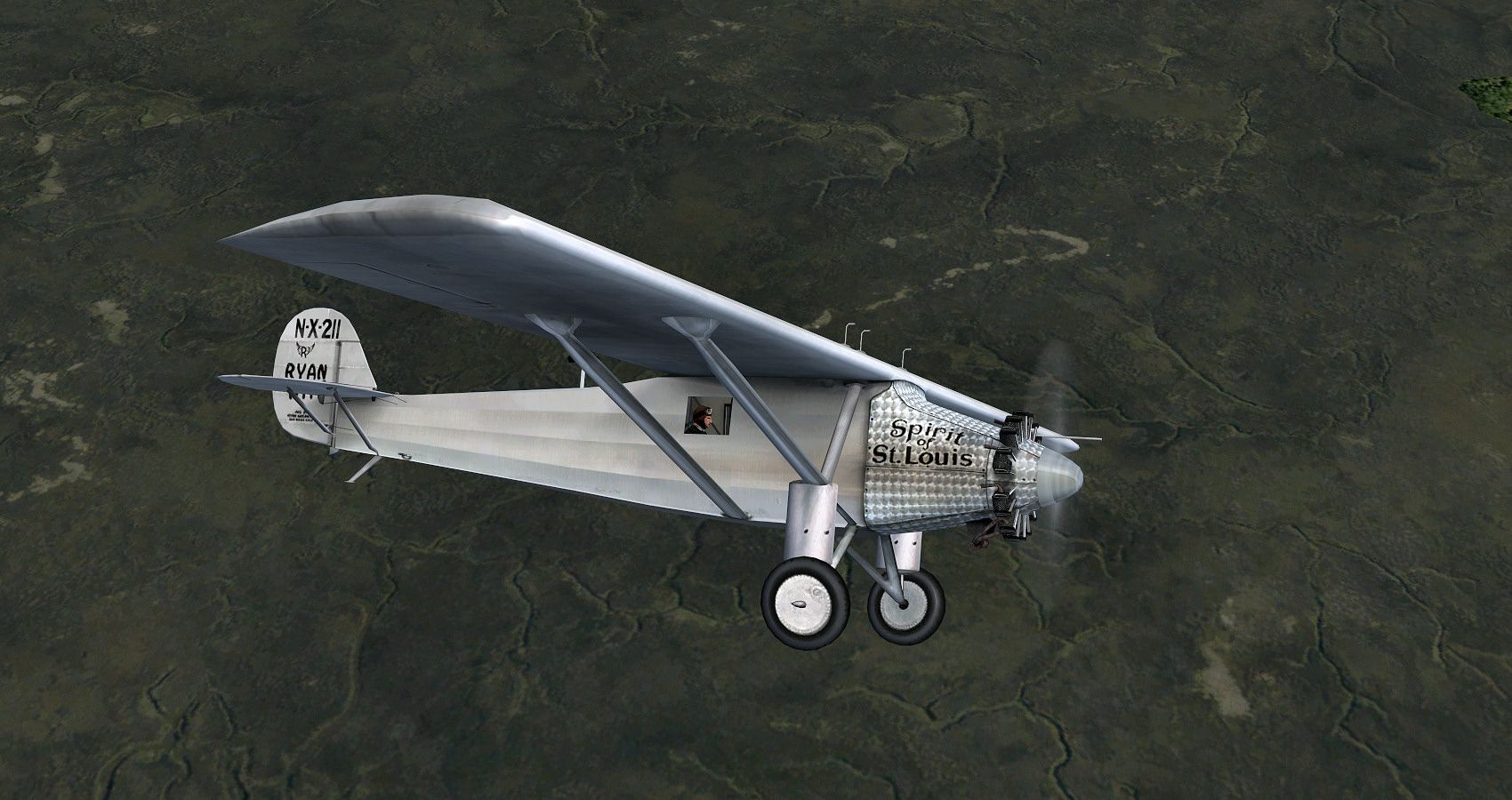
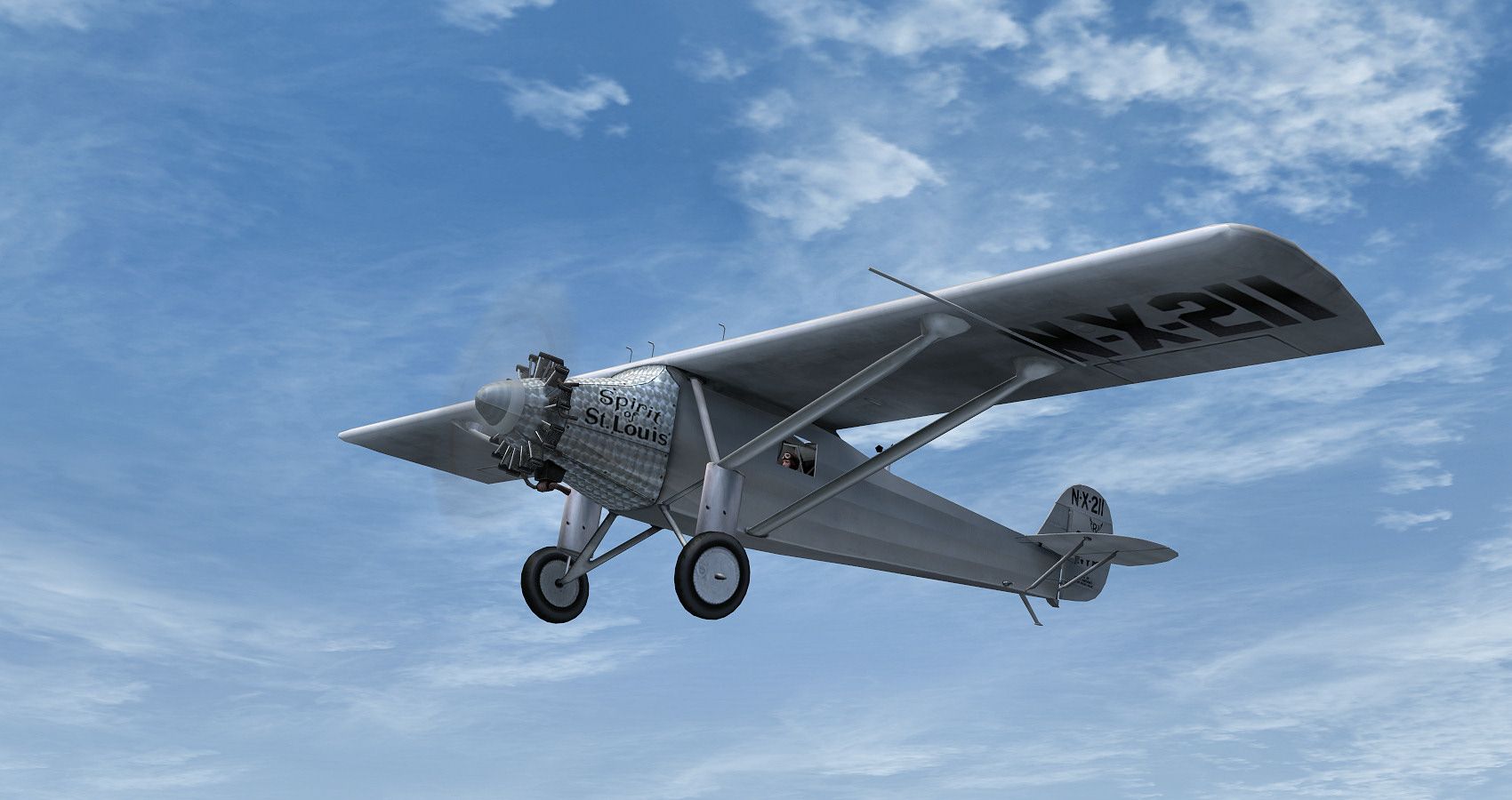
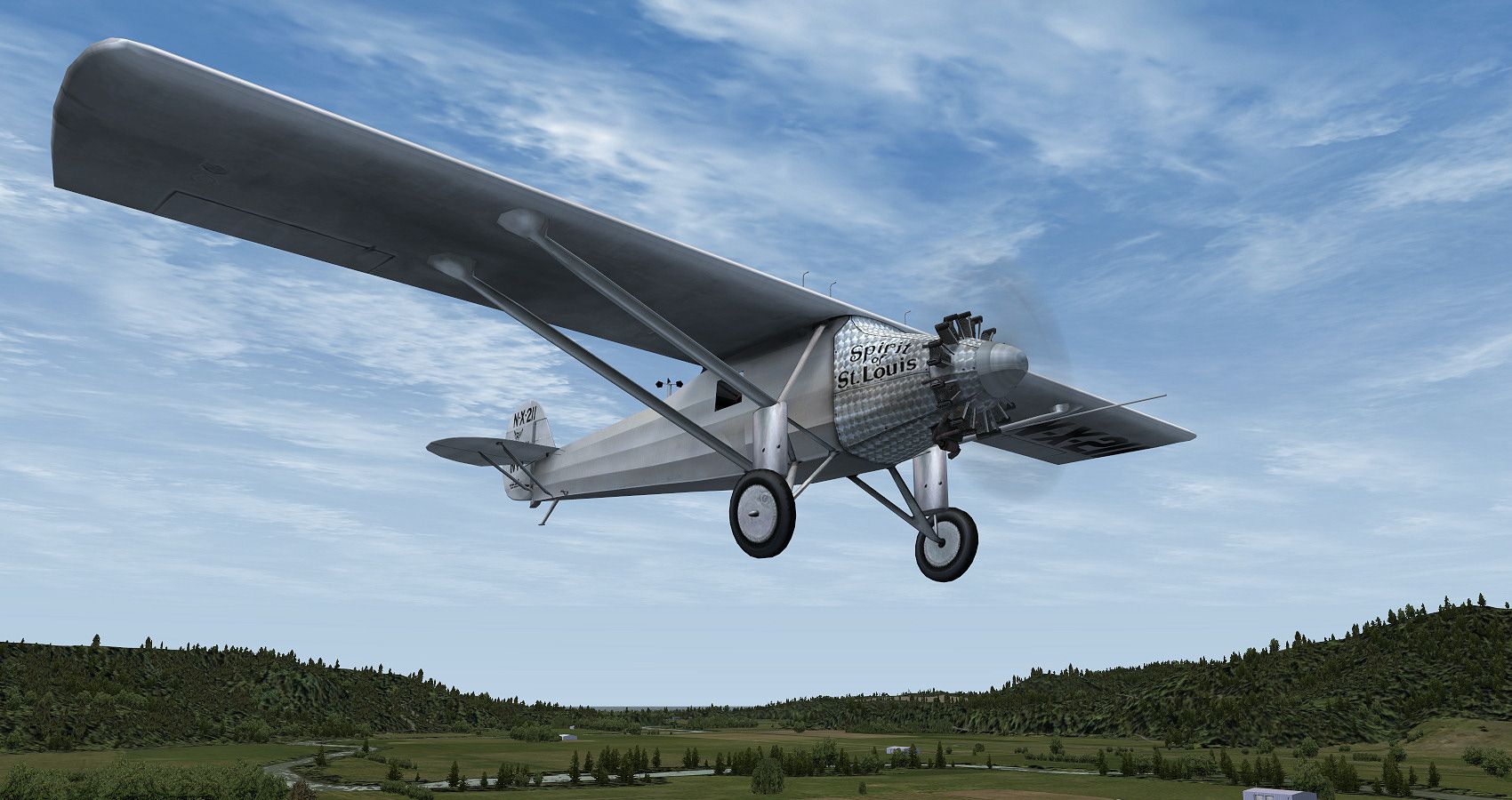
Yeah, it is the FS9 default "Spirit of St. Louis", and still a favorite of mine to fly, for the challenge of flying it well. Unfortunately there seems to be a stigma attached to this aircraft, for its flight dynamics, but I feel they are exceptionally accurate. If you take the aircraft out with 100% full fuel, the aircraft is going to fly like hell, because the only reason it has that much fuel is in order to fly for more than 38-40 hours straight (there is some reserve there, past the 33.5 hour mark it took to reach Paris). I never fly it with any more than about 45 gallons, which equates to about 10% of the total fuel capacity, and with that alone, you can fly for 4+ hours.
In the movie One Six Right, one of the older pilots interviewed talks about how when he was young, he built a scale model of the "Spirit of St. Louis", and how he was able to meet Lindbergh once, a bit later in life, and was able to relate to him how poorly the model flew, with its terrible instability. Lindbergh's reply was that it must have been an accurate model, because the real aircraft flew just the same. : )
During the time of the development of the Ryan NYP, Ryan was also developing the Brougham, which shared a lot of the same design traits. The thought has often crossed my mind, that it would be cool to develop a brand new reproduction of the NYP, but at the same time also make a Brougham (which would allow for more repaints : ) ). Unfortunately, quite a number of Broughams no longer exist in their original form, having been popular starting points for the creation of several of the "Spirit of St. Louis" reproductions over the years. Still, a few can be seen in a few select museums, and a couple are under restoration. It would also allow for the chance of reproducing the EAA flying example, which has two seats and sets of controls (with the main pilot's position actually being where the fuselage fuel tanks were), and with a forward windscreen (which can be covered over when on static display).
Kermit Weeks owns one of the more original reproductions, though it hasn't been flown in several years. In this video, he describes the aircraft, and what it's like to land it. : )
http://www.youtube.com/watch?v=piQ7DZj_axk
Here's a great discussion about flying the EAA replica, as well as video flying it. This is the aircraft that Microsoft got the recordings from for the excellent sound set for the FS9 "Spirit".
http://www.youtube.com/watch?v=gQvlwou5jj0
And another, of the same aircraft:
http://www.youtube.com/watch?v=JAAjBxFVeQM
Also, here is a great selection of rare, old film footage of Lindbergh and the "Spirit". In particular, I love the footage of him landing the aicraft at the 5:45 mark. There are some more great videos at this same site, by clicking on the title links at the left side of the page.
http://www.airportappraisals.com/qualifications/
In the movie One Six Right, one of the older pilots interviewed talks about how when he was young, he built a scale model of the "Spirit of St. Louis", and how he was able to meet Lindbergh once, a bit later in life, and was able to relate to him how poorly the model flew, with its terrible instability. Lindbergh's reply was that it must have been an accurate model, because the real aircraft flew just the same. : )
During the time of the development of the Ryan NYP, Ryan was also developing the Brougham, which shared a lot of the same design traits. The thought has often crossed my mind, that it would be cool to develop a brand new reproduction of the NYP, but at the same time also make a Brougham (which would allow for more repaints : ) ). Unfortunately, quite a number of Broughams no longer exist in their original form, having been popular starting points for the creation of several of the "Spirit of St. Louis" reproductions over the years. Still, a few can be seen in a few select museums, and a couple are under restoration. It would also allow for the chance of reproducing the EAA flying example, which has two seats and sets of controls (with the main pilot's position actually being where the fuselage fuel tanks were), and with a forward windscreen (which can be covered over when on static display).
Kermit Weeks owns one of the more original reproductions, though it hasn't been flown in several years. In this video, he describes the aircraft, and what it's like to land it. : )
http://www.youtube.com/watch?v=piQ7DZj_axk
Here's a great discussion about flying the EAA replica, as well as video flying it. This is the aircraft that Microsoft got the recordings from for the excellent sound set for the FS9 "Spirit".
http://www.youtube.com/watch?v=gQvlwou5jj0
And another, of the same aircraft:
http://www.youtube.com/watch?v=JAAjBxFVeQM
Also, here is a great selection of rare, old film footage of Lindbergh and the "Spirit". In particular, I love the footage of him landing the aicraft at the 5:45 mark. There are some more great videos at this same site, by clicking on the title links at the left side of the page.
http://www.airportappraisals.com/qualifications/
Yeah, it is the FS9 default "Spirit of St. Louis", and still a favorite of mine to fly, for the challenge of flying it well. Unfortunately there seems to be a stigma attached to this aircraft, for its flight dynamics, but I feel they are exceptionally accurate. If you take the aircraft out with 100% full fuel, the aircraft is going to fly like hell, because the only reason it has that much fuel is in order to fly for more than 38-40 hours straight (there is some reserve there, past the 33.5 hour mark it took to reach Paris). I never fly it with any more than about 45 gallons, which equates to about 10% of the total fuel capacity, and with that alone, you can fly for 4+ hours.
In the movie One Six Right, one of the older pilots interviewed talks about how when he was young, he built a scale model of the "Spirit of St. Louis", and how he was able to meet Lindbergh once, a bit later in life, and was able to relate to him how poorly the model flew, with its terrible instability. Lindbergh's reply was that it must have been an accurate model, because the real aircraft flew just the same. : ) ...
John, I'd like to recommend to you to find a copy of "The Spirit of St. Louis" and read it.
I know your the type of person who'd find it a very interesting read,( if you haven't done so already).
There was so much about the flight the Press got wrong (go figure), and Lindbergh wrote the book with the strong intentions to have an accurate record, and set things straight.
The book has really great insight into who Lindbergh really was since it is autobiographical.
-------------------------------
The "Spirit" wasn't unstable, Lindbergh wrote, it wasn't a machine that would try to spin out of control or want to kill you.
But it did require that it constantly be hand flown, kept in balance. Couldn't just trim it and leave it alone like other airplanes.
To me I read that as being in some aspects like a helicopter needs to be operated.
Constant little adjustments along the way of your flight.
From reading the book, I'm left with the impression he wanted it that way.
Lindbergh was very meticulous in his planning, agonizing over the smallest of details, especially when it came to weight.
He worked very closely with Donald Hall, who was the designer at Ryan.
He knew it was going to be over 30+ hours to Paris, and having that much weight aboard in fuel was going to be a balancing act the whole way.
And in my opinion, yes again, he wanted it that way.
It kept him awake, for the most part, by having to constantly monitor the "Spirit" during the flight.
I too cringed and rolled my eyes when I heard folks complain about the FDE of the FS version of the "Spirit", but yes folks, that is the way she flew. :salute:
So if you are looking for a challenge, try flying the FS version of the "Spirit" for 33+ hours straight, New York to Paris, in real weather.
And your right about flying with just 10% of the fuel load for normal flights in flight sim.
"The Spirit of St. Louis" was brought back to the US, aboard the "U.S.S. Memphis".
Lindbergh flew a grand tour on the United States after his historical Atlantic solo crossing, ultimately visiting every state in the 'lower 48'.
He never flew the "Spirit" again with more than 10% of the fuel load, if I remember right.
By the way, there is another excellent book out there by Michael Parfit, "Chasing The Glory"
Michael used a Cessna Cardinal in the 1980's to fly across the US, re-tracing Lindbergh's tour route, ultimately ending up in Little Falls, Minnesota (Lindbergh's home).
He wrote a wonderful book about the experience, in some aspects almost as in the same style Lindbergh wrote, "The Spirit of St. Louis".
Mr. Parfit is on the board of directors now for The Lindbergh Foundation.
"Chasing the Glory" is a more rare book to find than "The Spirit of St. Louis", but I recommend reading both to anyone interested about Lindbergh.
