August 21, 1924: At Reykjavik they flyers made repairs to there aircraft and waited for the ice to clear at there next destination, Angmagssallik Greenland (now Kangilinnguit). While they waited a forty foot boat named the ‘Leif Ericson’ with four men onboard, they were attempting to replicate the voyage of Eric the Red when he crossed over to North America around the year 1000, the flyers went to the dock to see them off, they reportedly reached Greenland but were never seen again. Also arriving was Italian Lt. Antonio Locatelli with a crew of three in his Dornier Wal twin engine sea plane who was also attempting to fly around the world. At Lt. Smiths request, General Patrick gave permission for Locatelli to fly with them. After two weeks of waiting and fearing conditions at Angmagssallik would not improve they decided to fly directly 830 miles to their next destination of Fredricksdal (Narsaq Kujalleq) Greenland. They were ready to go on the 18th but as they were lining up to take off a large wave swept over the planes shattering New Orleans propeller and Chicago’s front pontoon spreader.
Finally at 6:55 am on the 21st and with five navy ships patrolling the route, the two cruisers followed by the Italian headed for Greenland. Locatelli tried to stay information with the two Douglas’s but they were too slow for his Dornier so he saluted and forged ahead. After flying past the destroyers Billingsley and Barry they ran into heavy fog but continued on course at wave height. About 70 miles from Greenland they started encountering large Icebergs that they would only see when they were upon them. When dodging an iceberg the two planes got separated when Smith turned right while Nelson turned left. Smith continued to dodge icebergs until he reached the rocky coast of Greenland and then continued on a compass course to Fredricksdal, Black smoke coming from the Danish coastguard cutter Island Falk told them they were at their destination. Smith landed, tied up and started to inspected and refuel there plane. There was no sign of New Orleans or the Dornier until as Smith and Arnold finishing their tasks the sound of a Liberty engine echoed across the harbor and Nelson circled and landed. They had both survived the longest and most dangerous leg of the entire flight, but there was no sign of Locatelli and his crew. Once they Americans were safely aboard the Danish vessel, the ships of the US Navy started searching a 12,000 square mile area to try to locate the Italians.
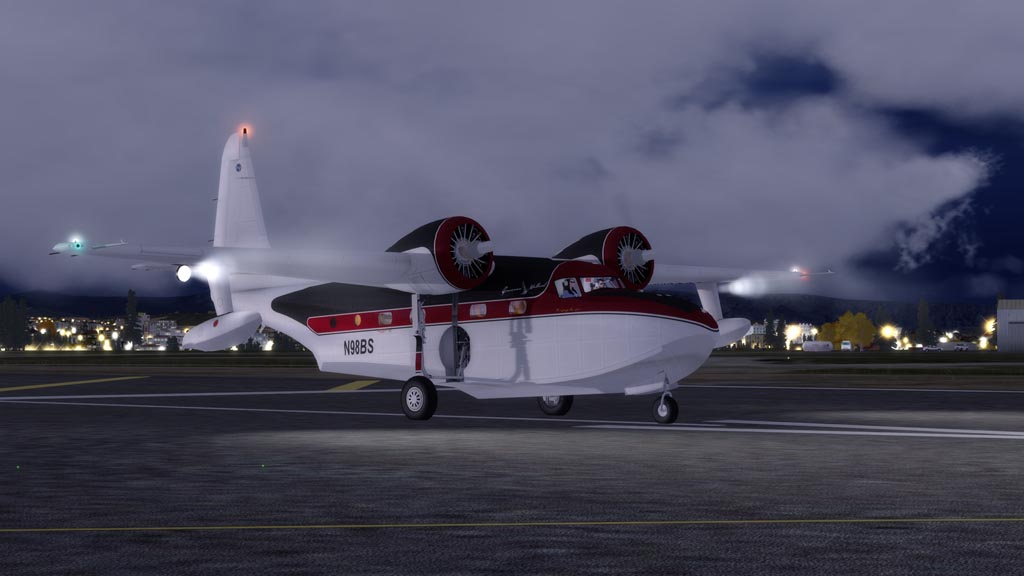
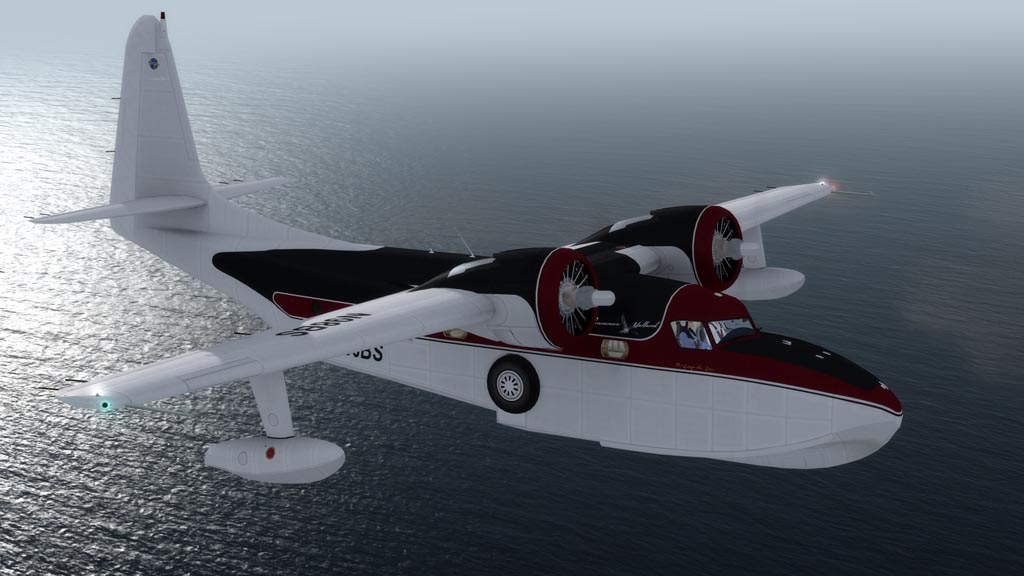
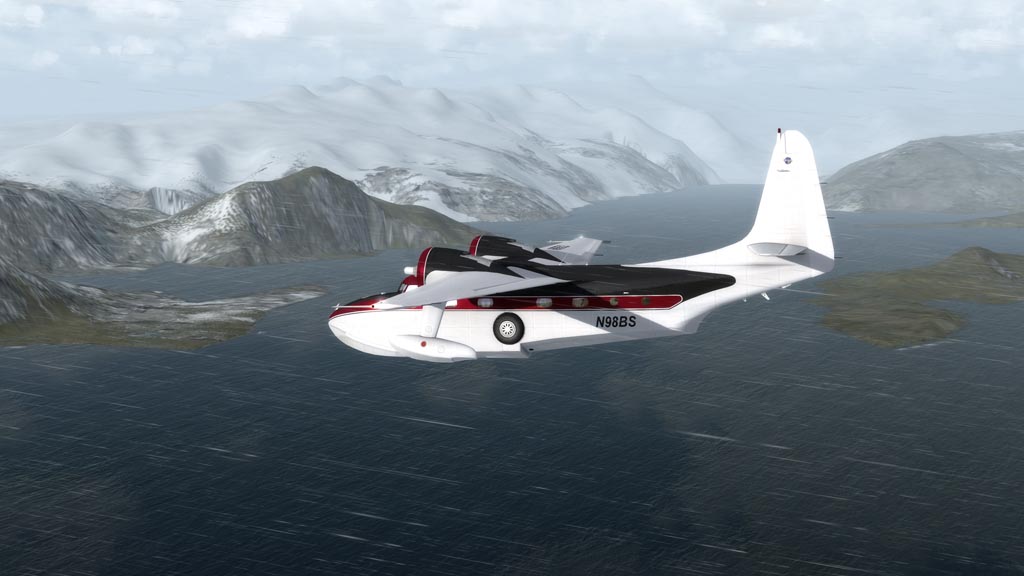
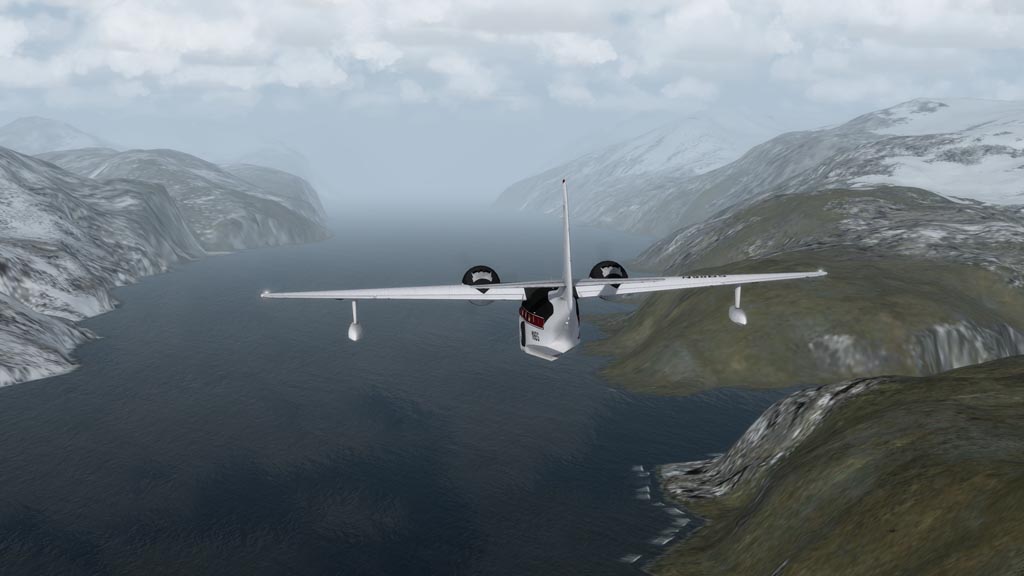
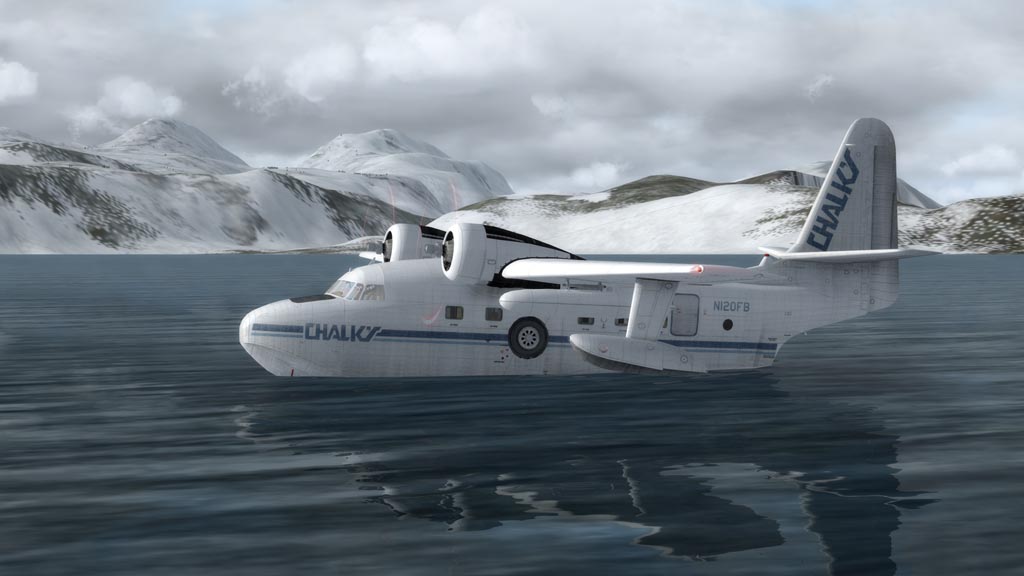
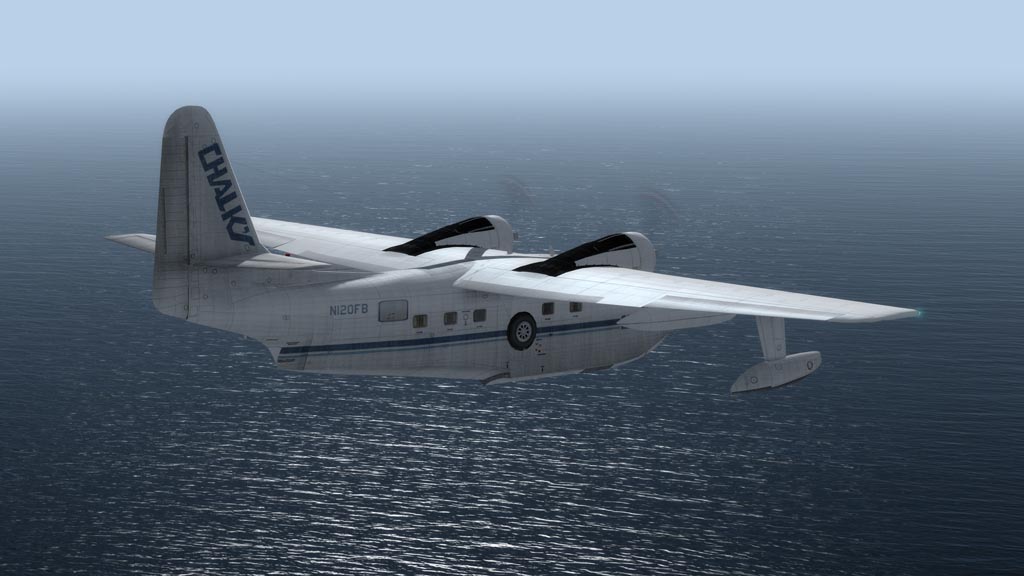
September 30, 2017: For the next leg I will be using the Grumman G-73 Mallard. The Mallard first flew in 1946, it followed on the success of the Goose and Widgeon but was larger with a tricycle gear and a two step hull. It was designed for regional airlines but postwar surplus aircraft limited the market potential. Most of the 59 built were used as corporate use, before production was neded in favor of the larger G-111 Albatross. Many have been converted too turboprops, 32 are still registered in the united states with many more are active around the world. The aircraft I am using was made by Milton Shupe and updated to FSX by LDR Development. The plane is one of my favorites (yes you can tell I like these Grumman Amphibians). If I was to do a trip like this for real I would probably want to do it in a Mallard.
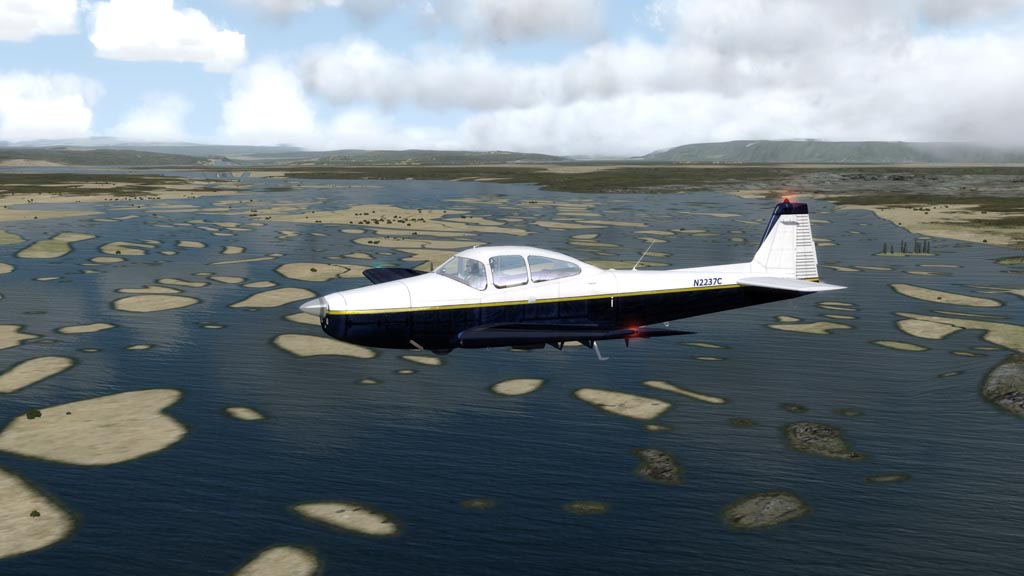
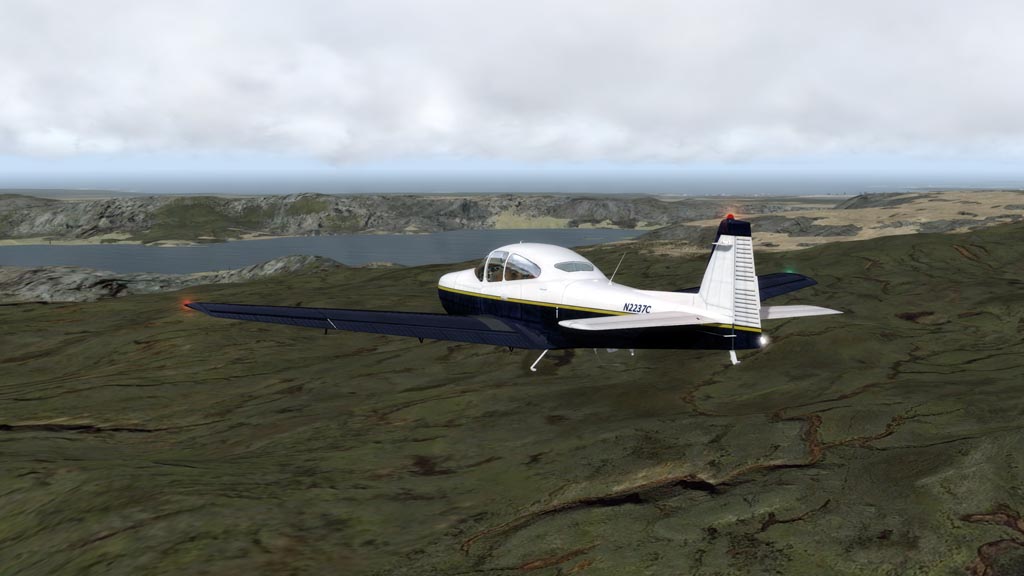
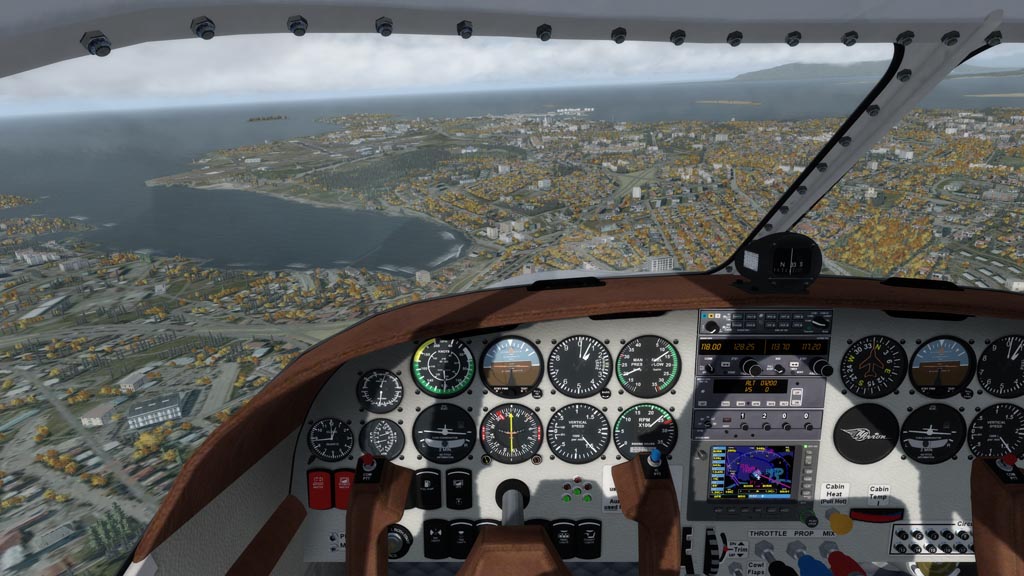
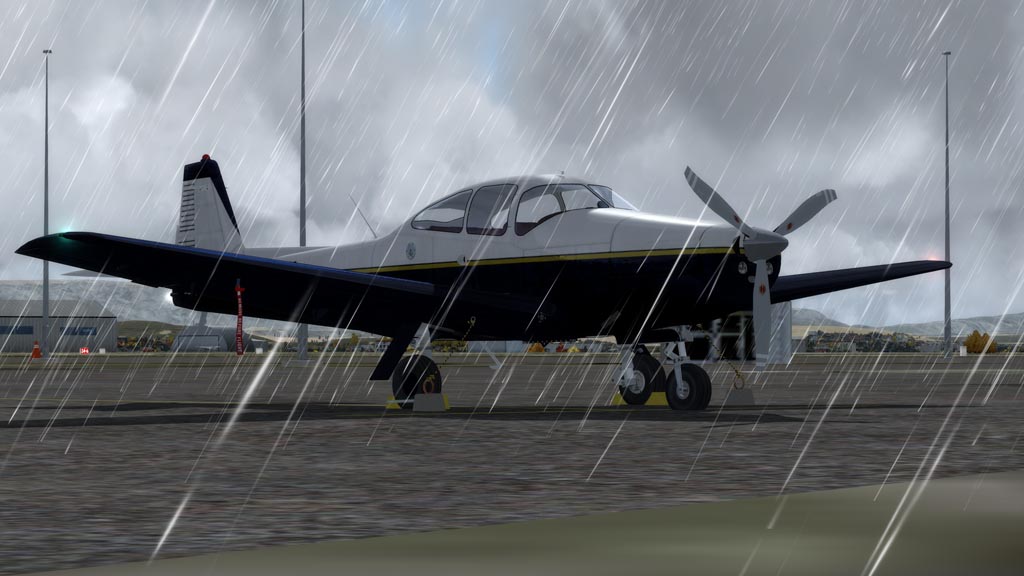
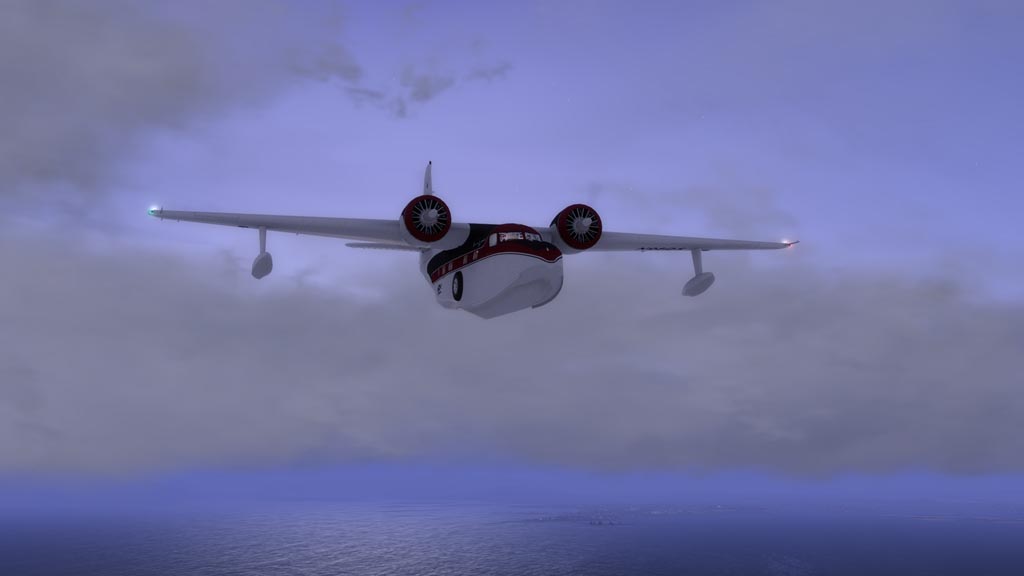
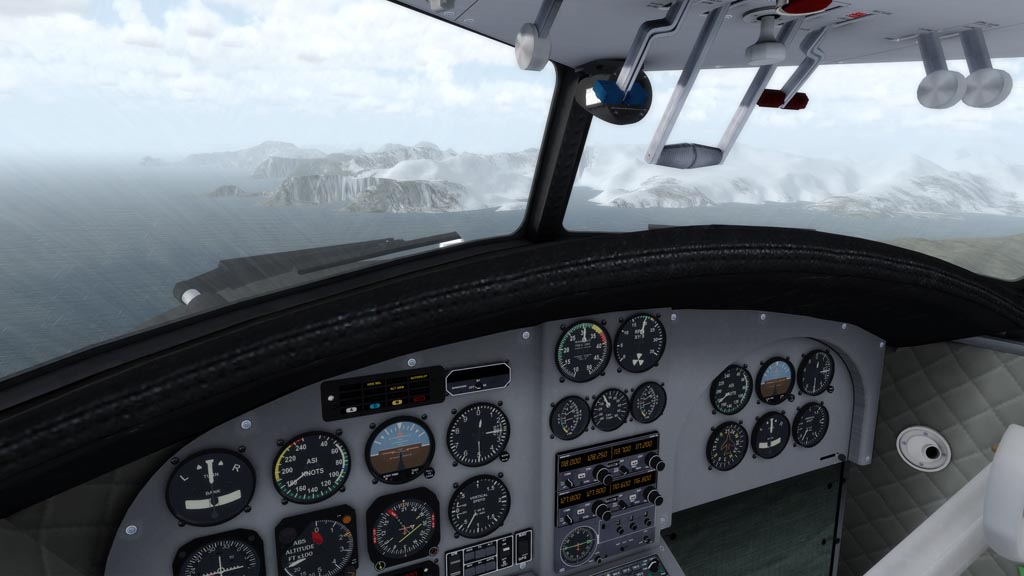
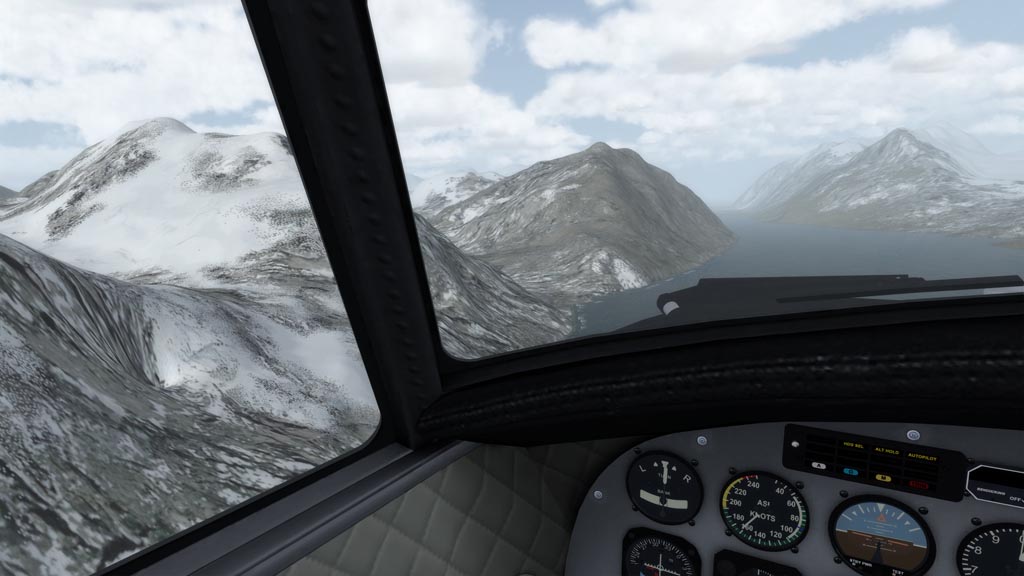
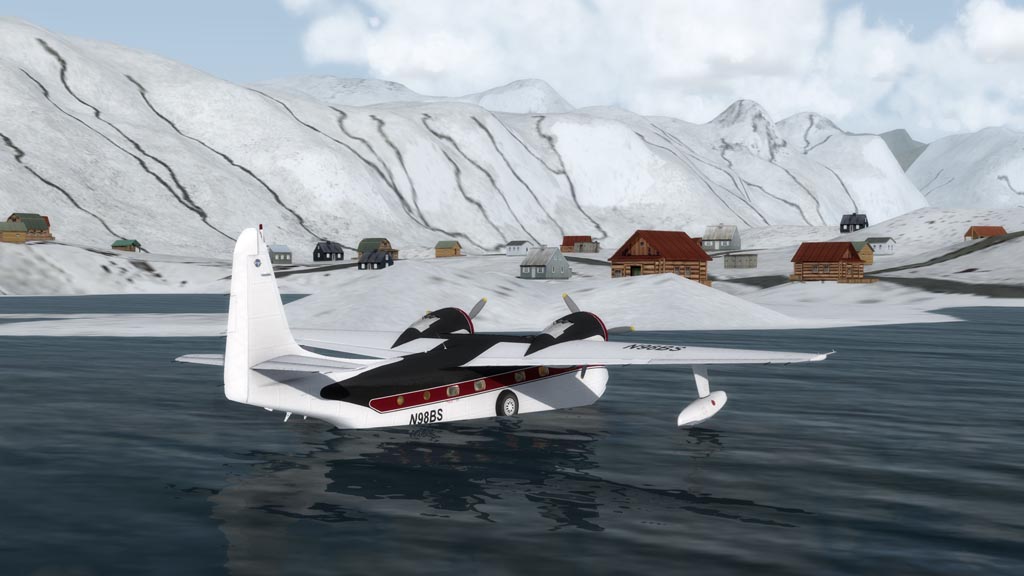
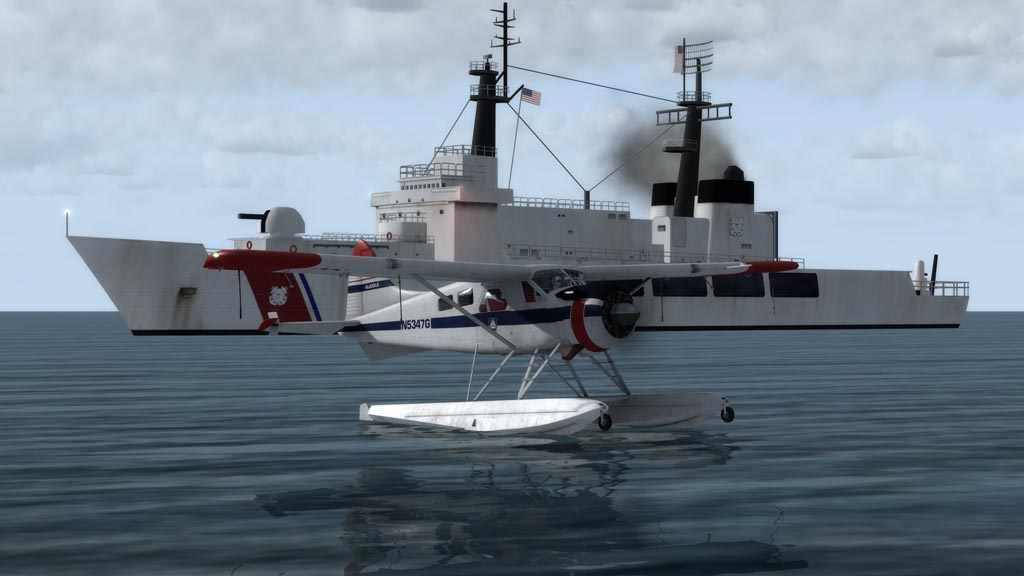
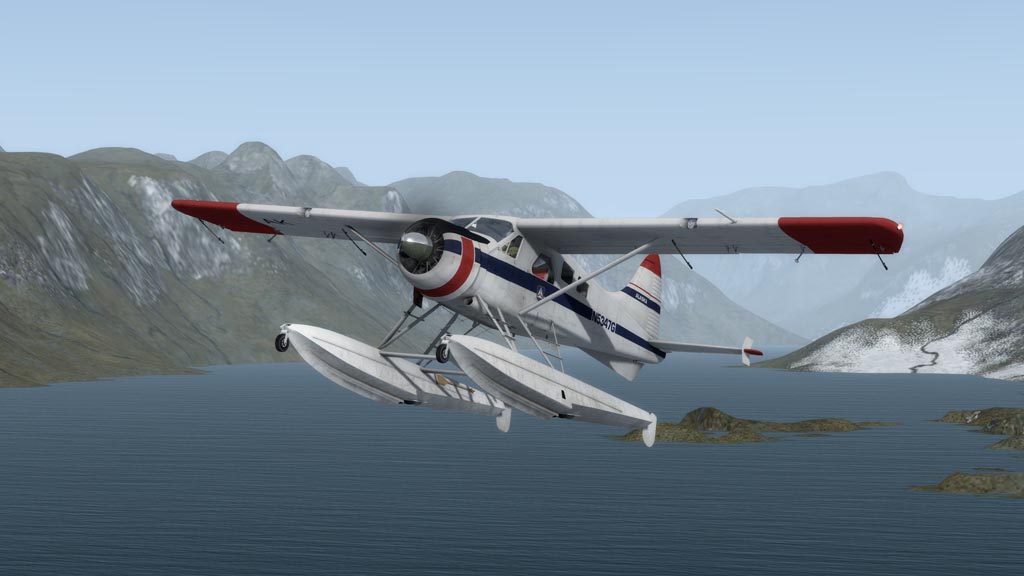
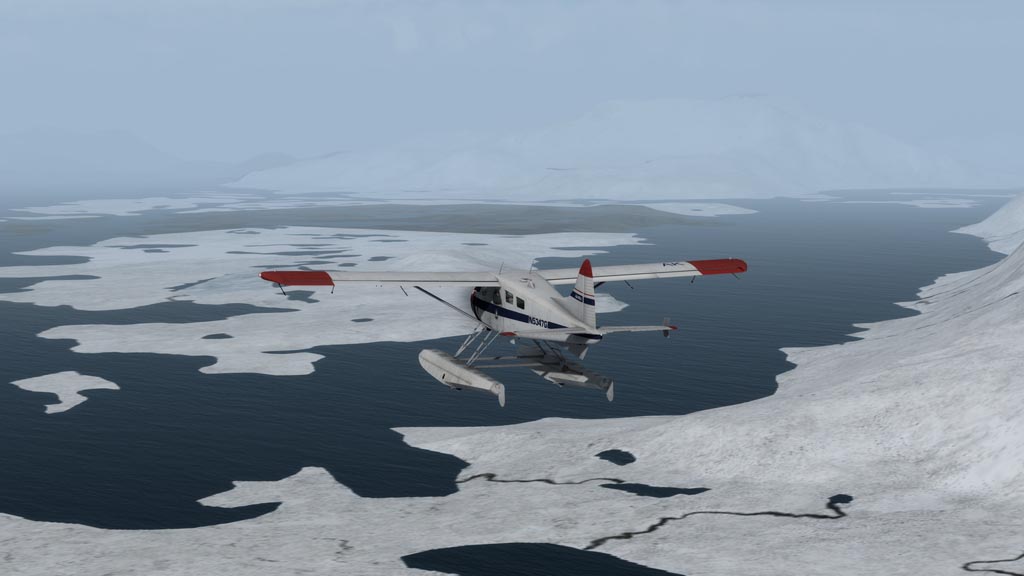
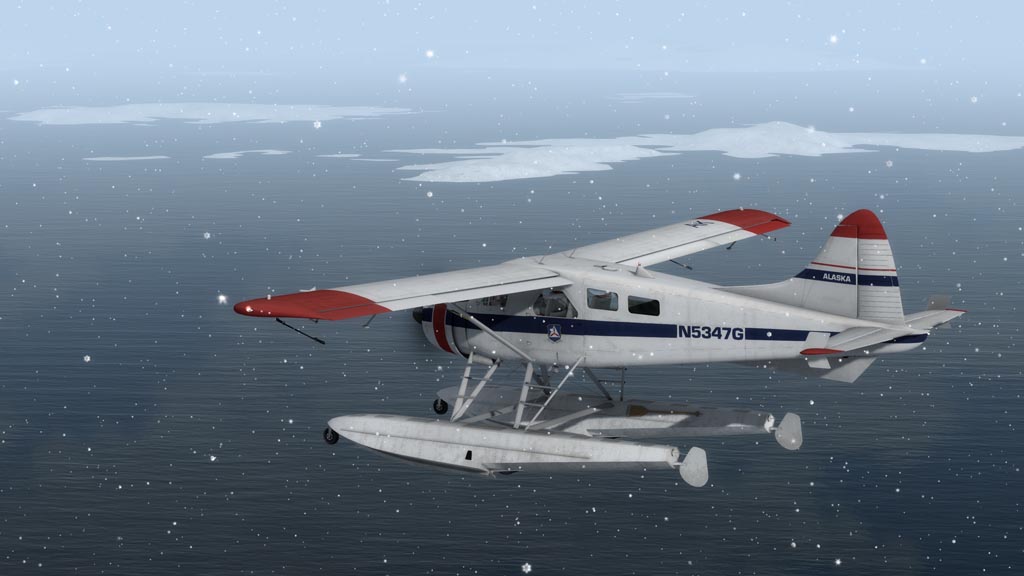
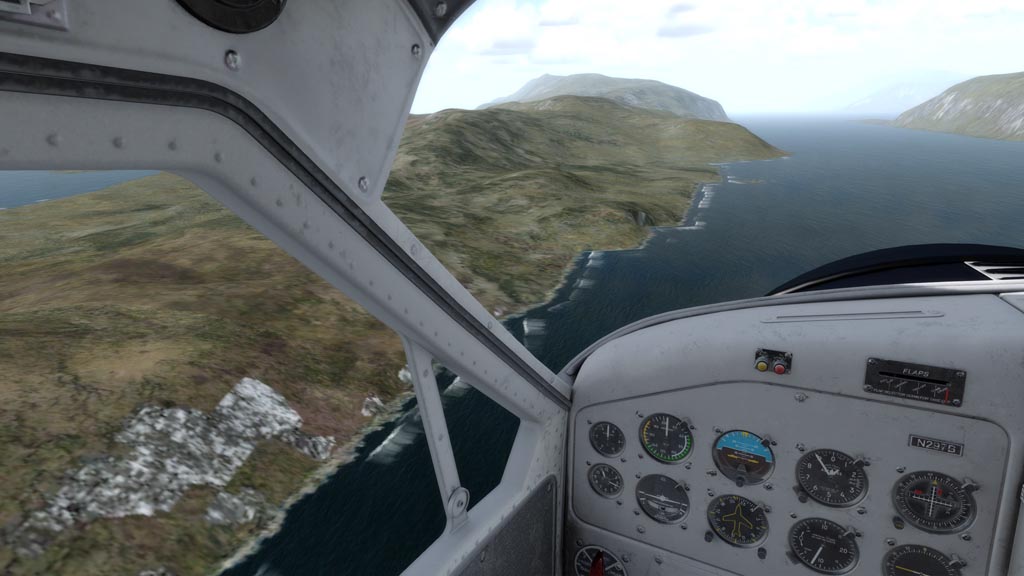
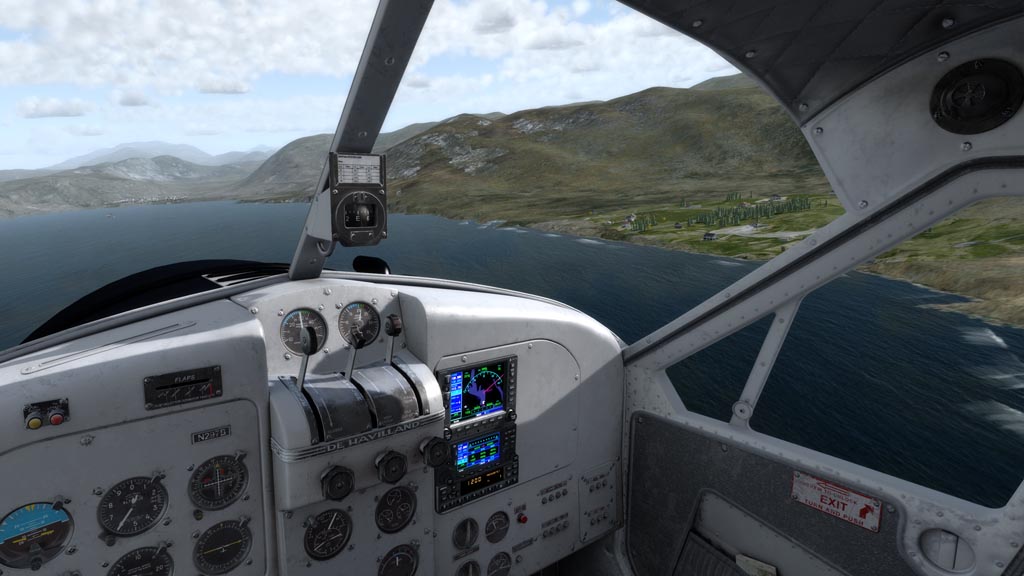
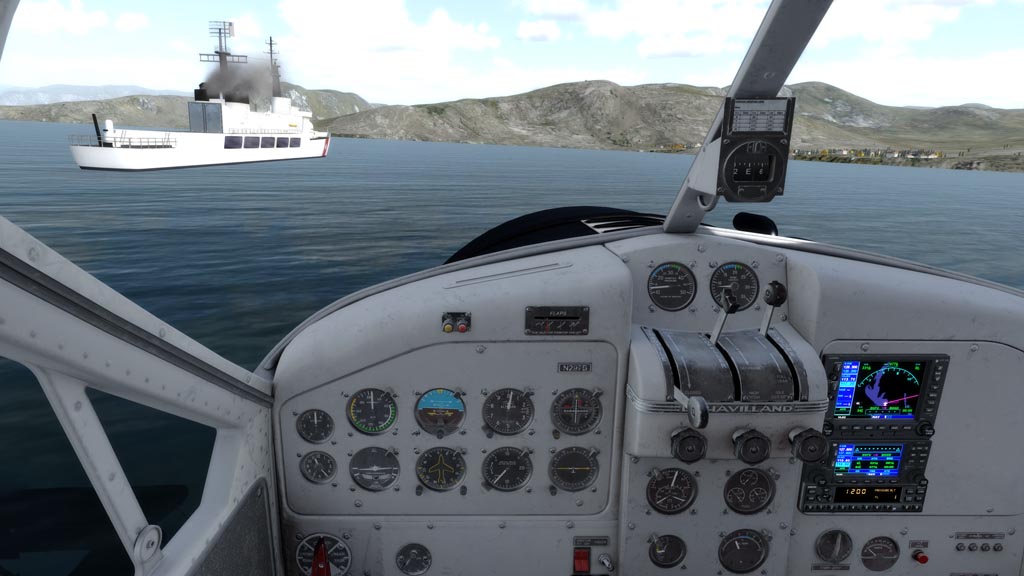
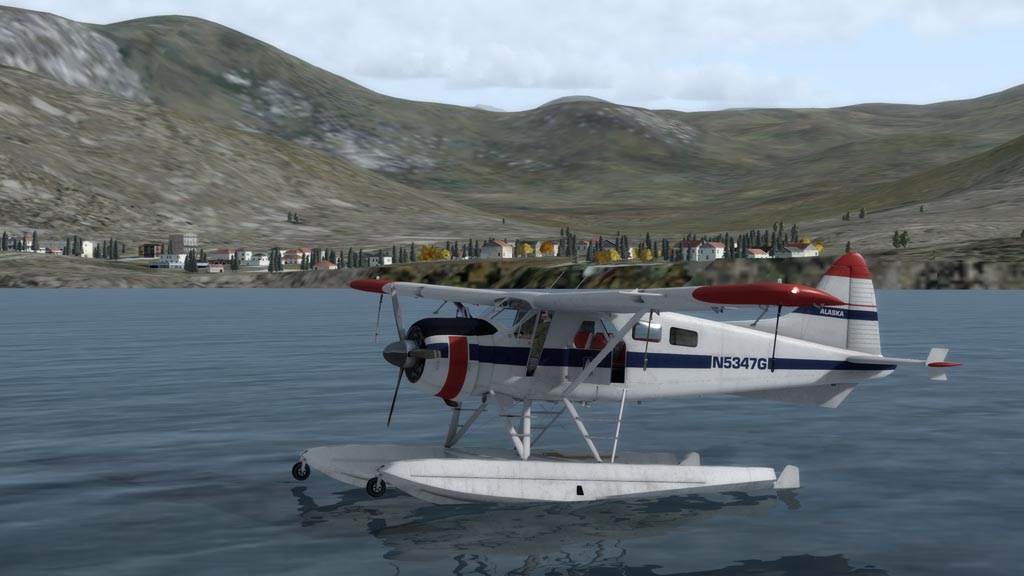
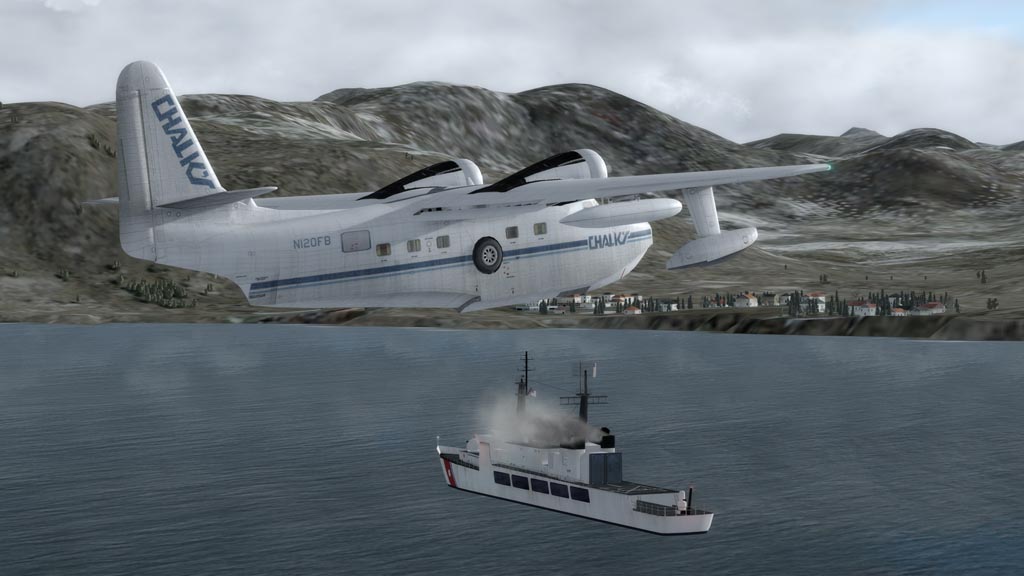
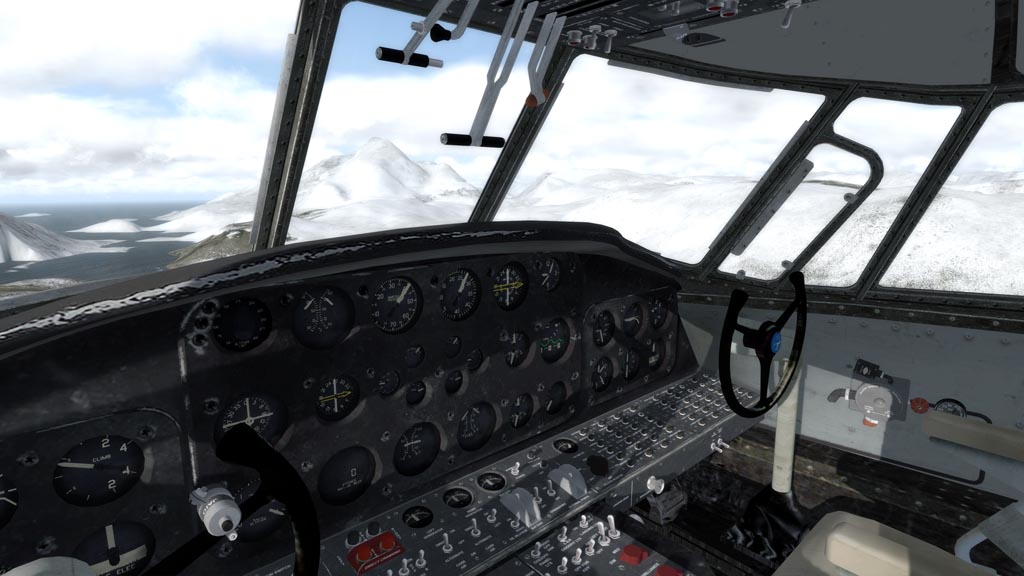
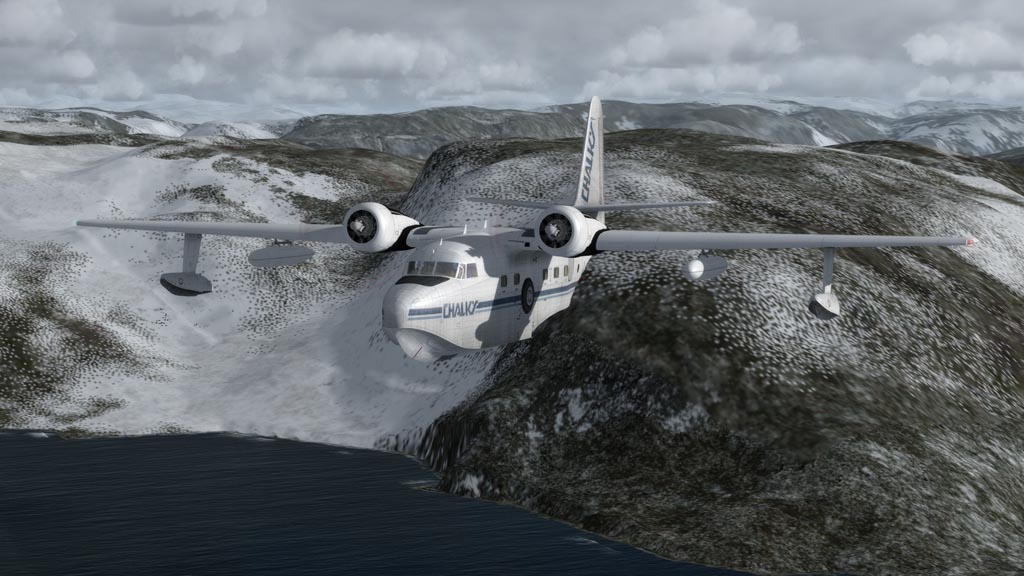
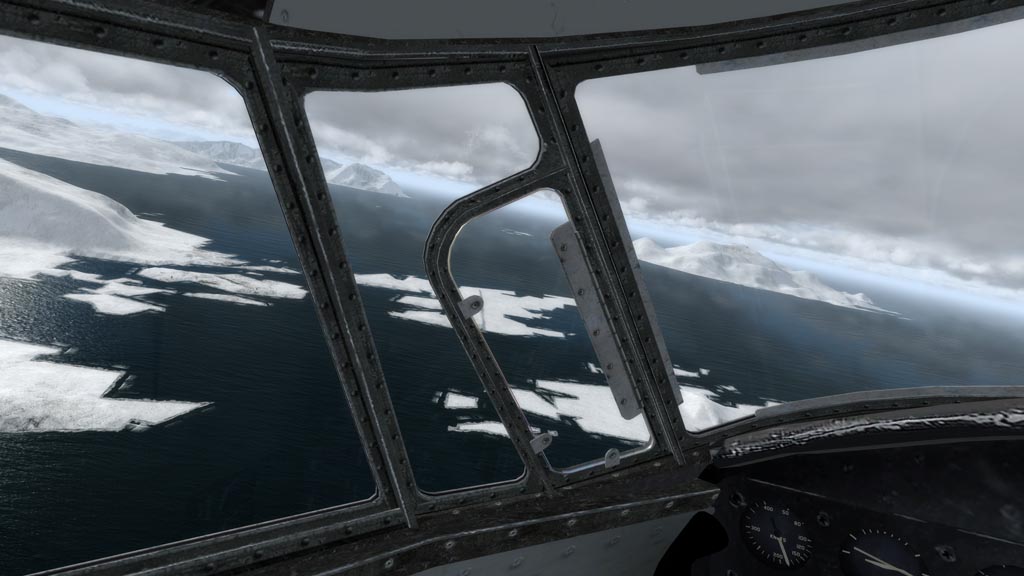
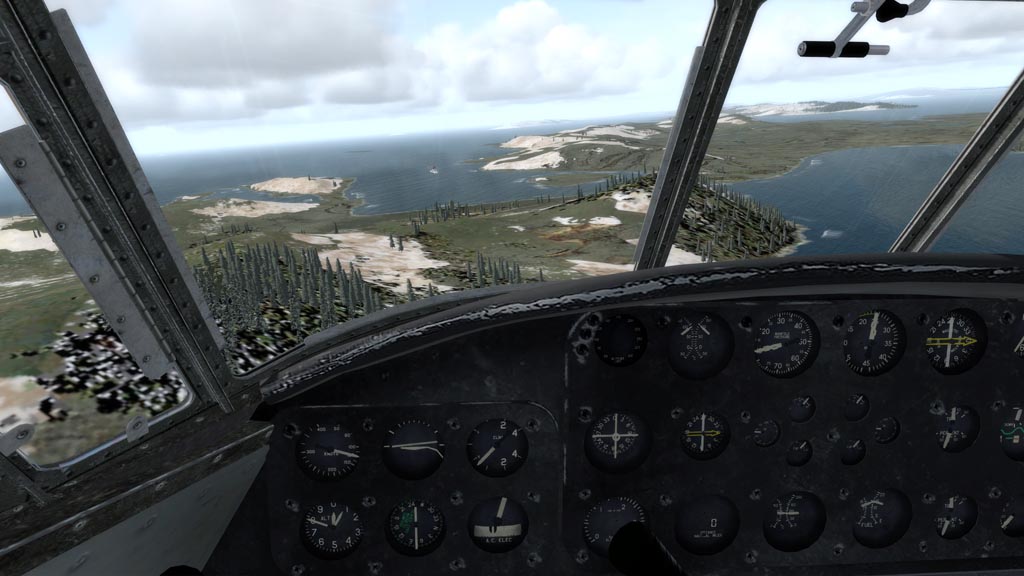
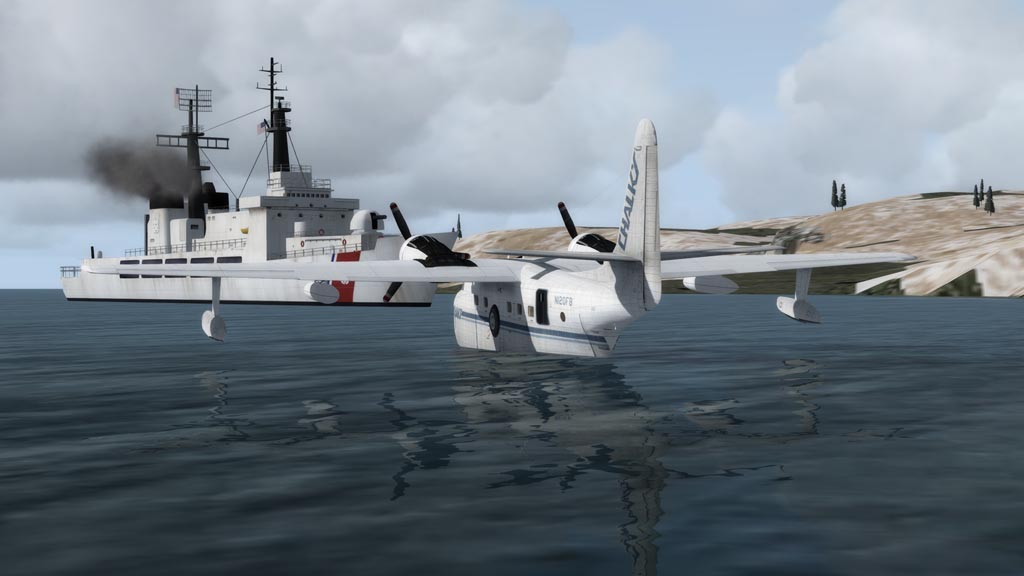
Weather for the next flight was partly cloudy, 7 knot winds with a temperature of 10C/50F, a few clouds at 2100 feet and scattered clouds at 6600 feet. I started off just before dawn and headed at 2000 feet but because of clouds quickly dropped down to 1000 feet. About 2 hours in the skys cleared and I climbed to 4000 feet until we got within sight of Greenland. Dropping to 2000 feet we flew along the coast and then up Prince Christian Sound and followed the channels to Narsaq Kujalleq. There is no airport here in P3D so I used ADE to create a simple seaplane airport in the harbor with a Coast Guard cutter to mark it. The 681 nm flight took 4.3 hours to fly. Here are the pics.
Ready for takeoff.
Sunrise colors.
Glamour shots.
Greenland in sight!