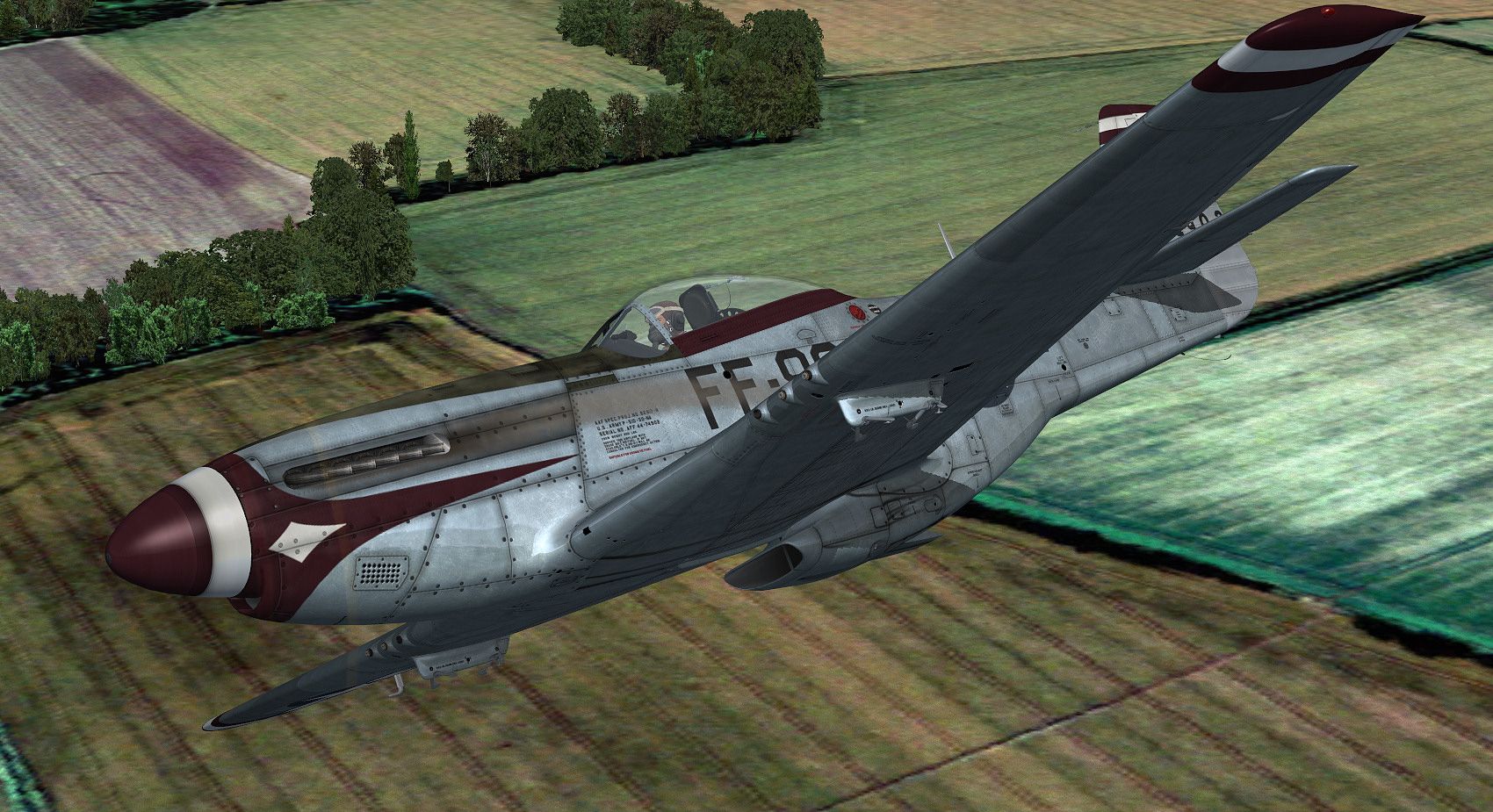
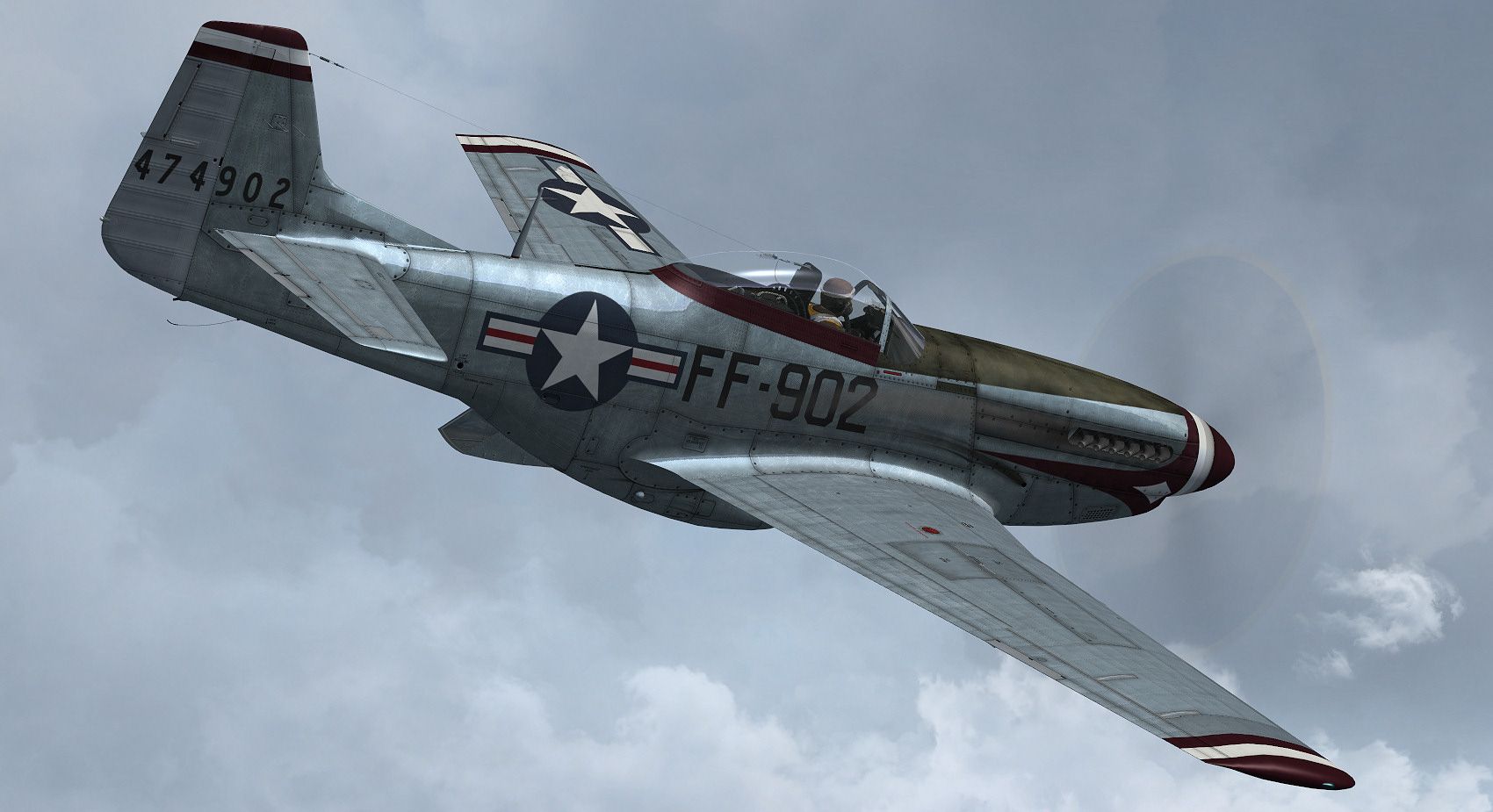
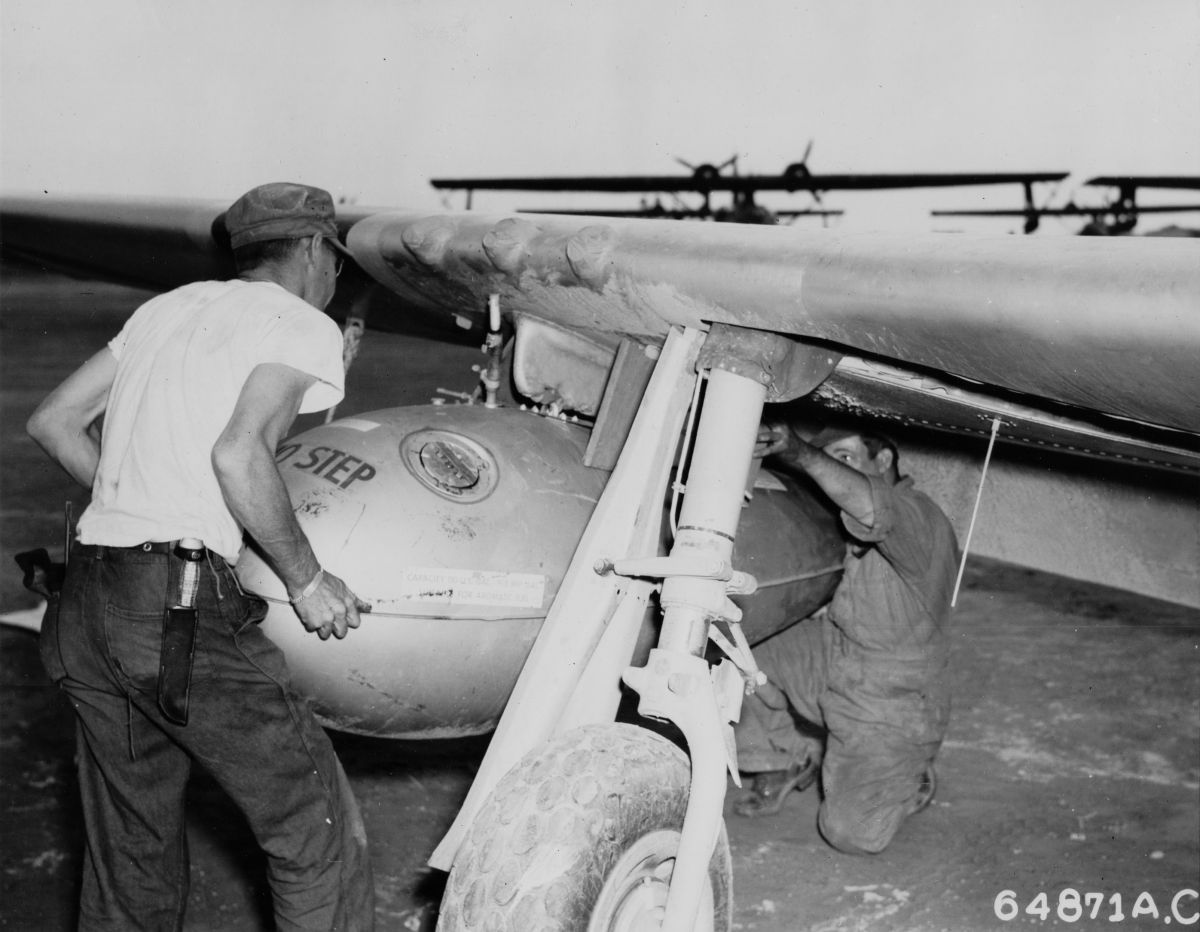
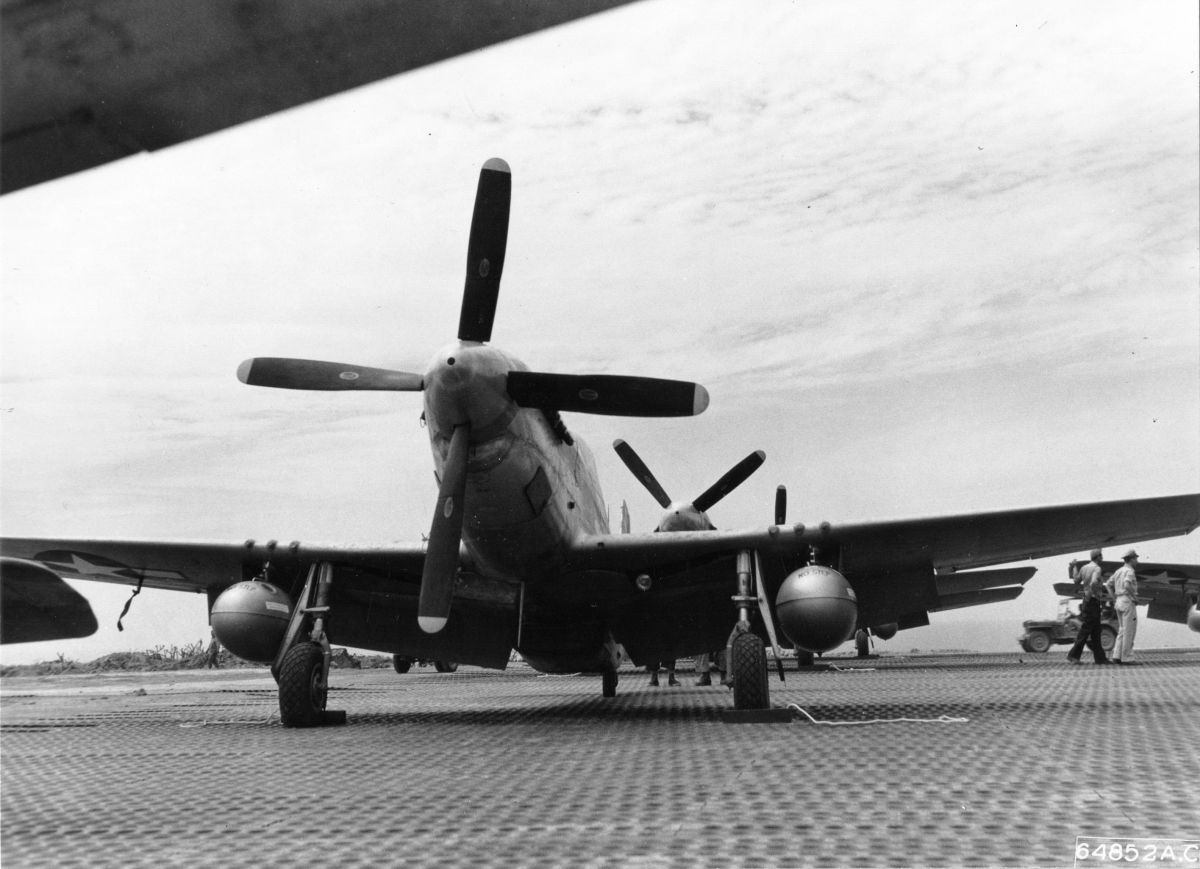
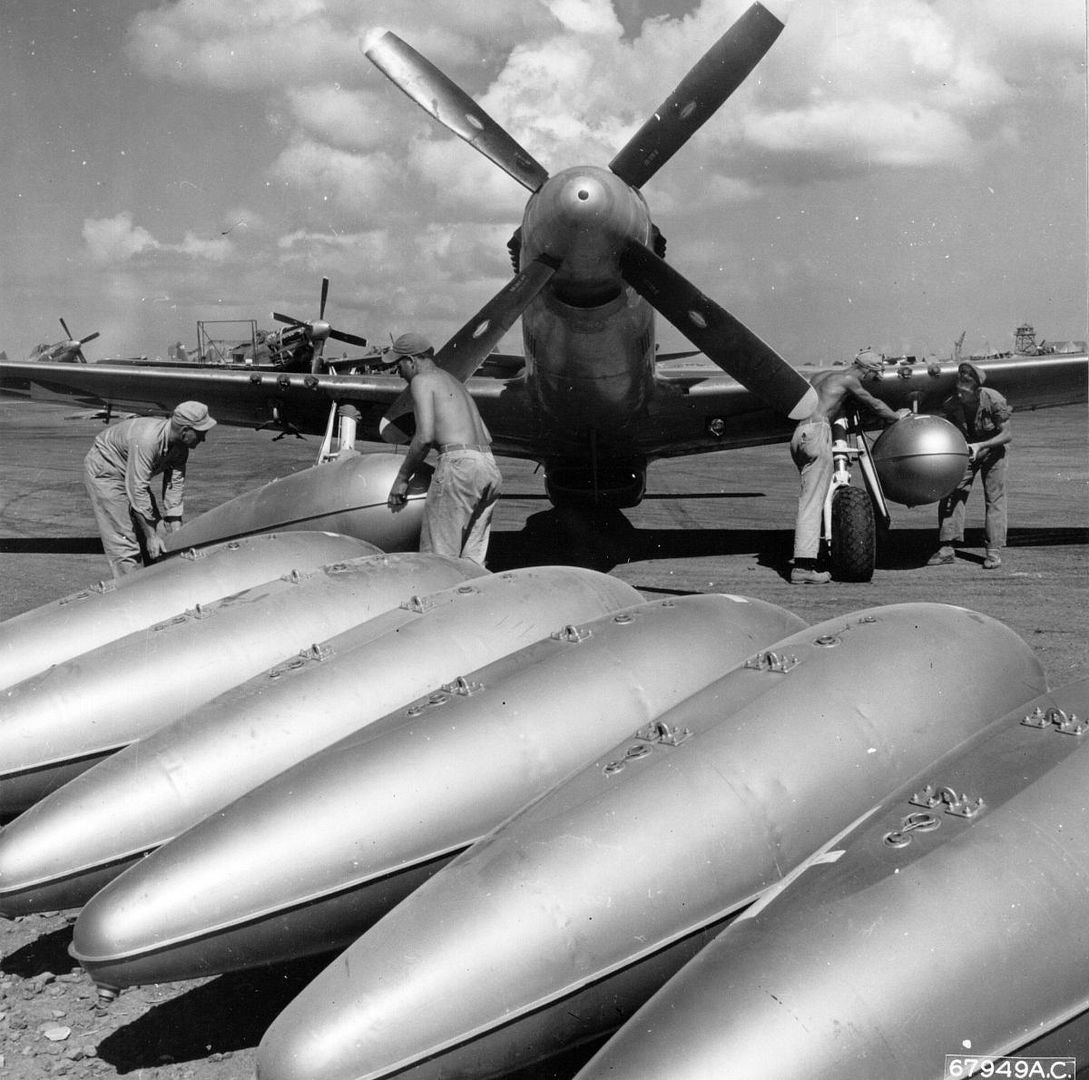
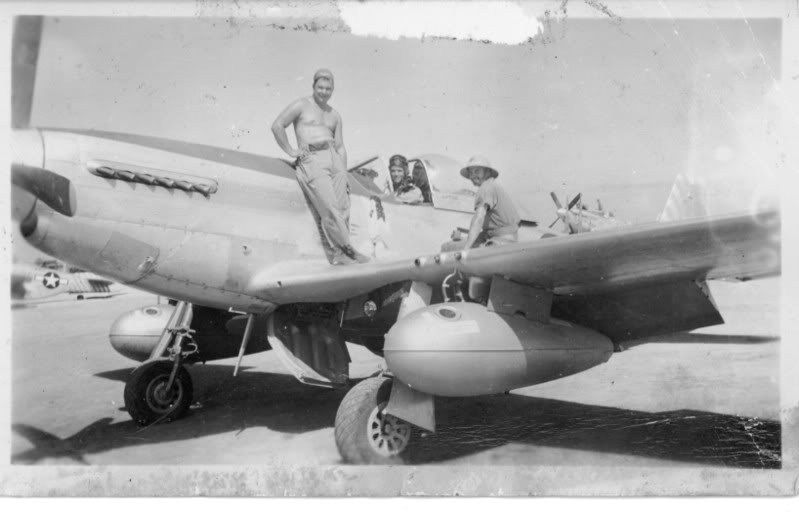
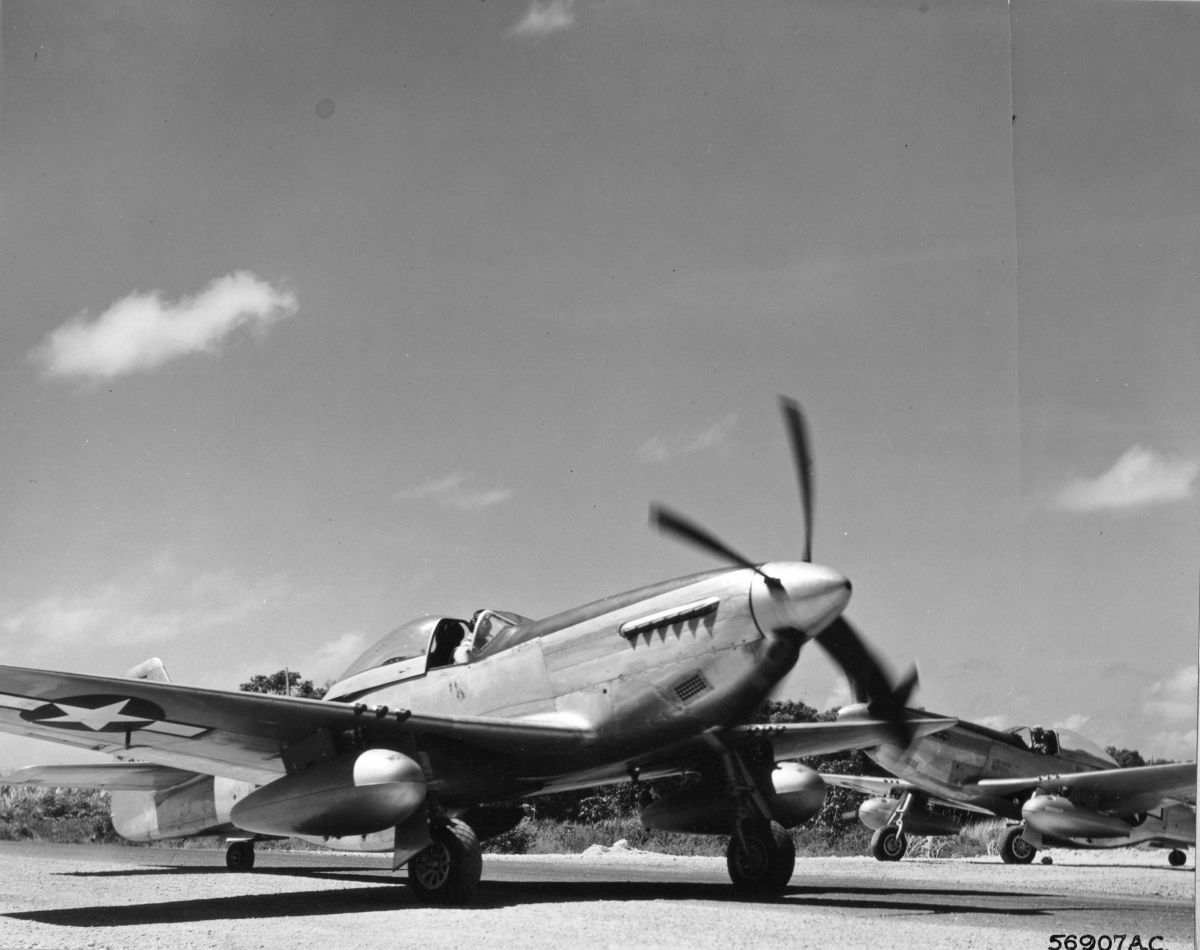
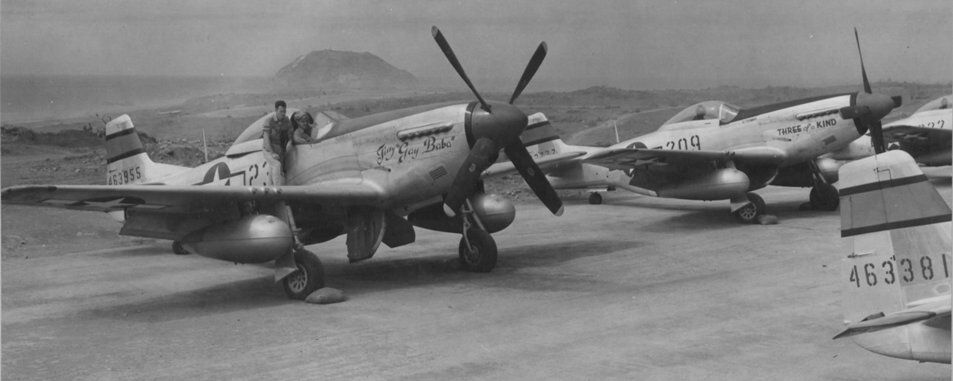
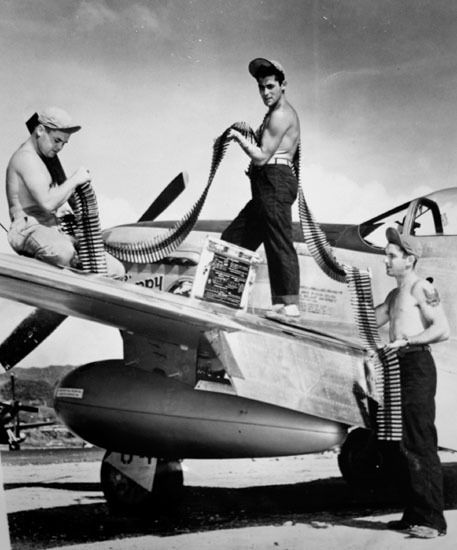
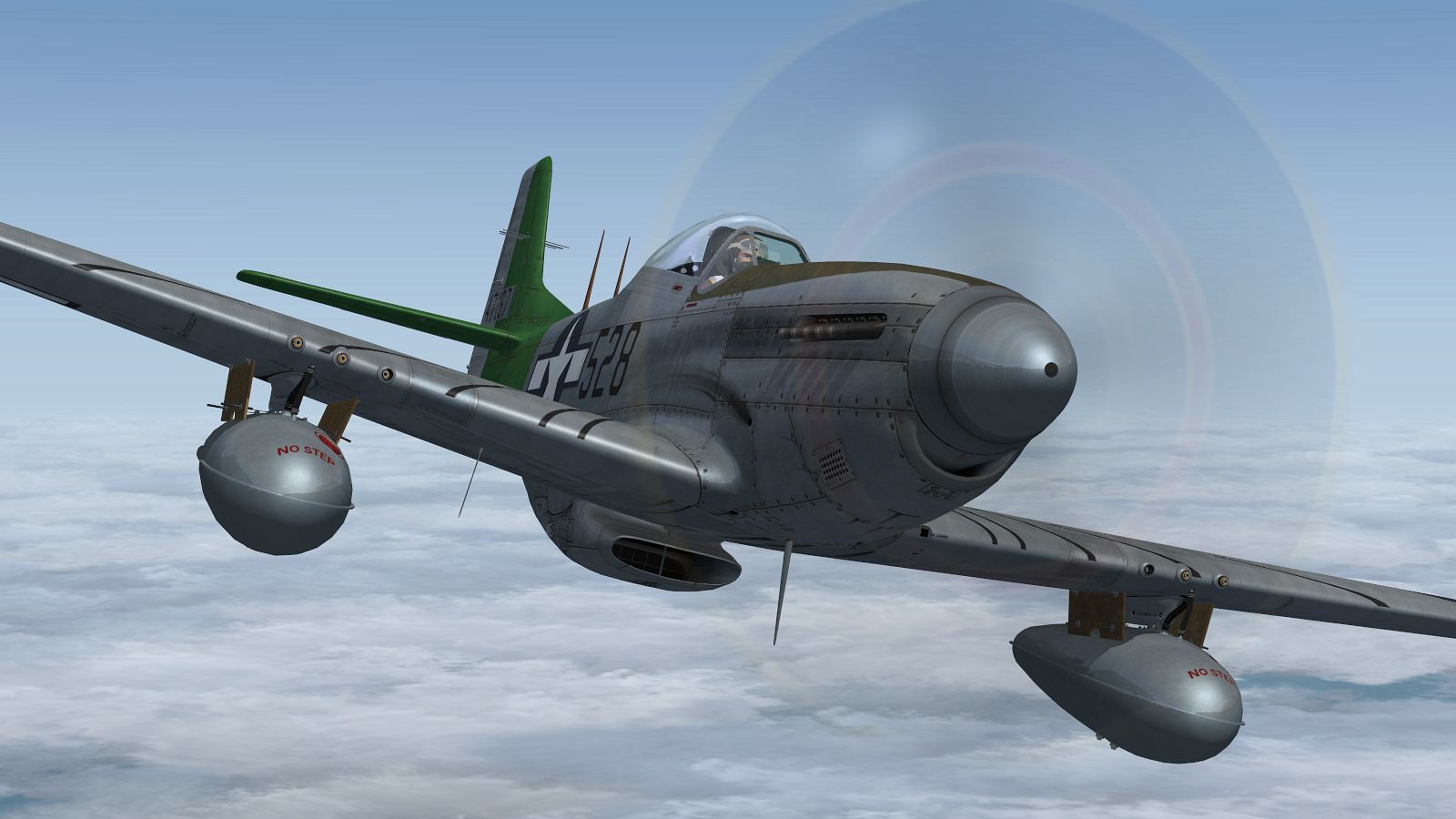
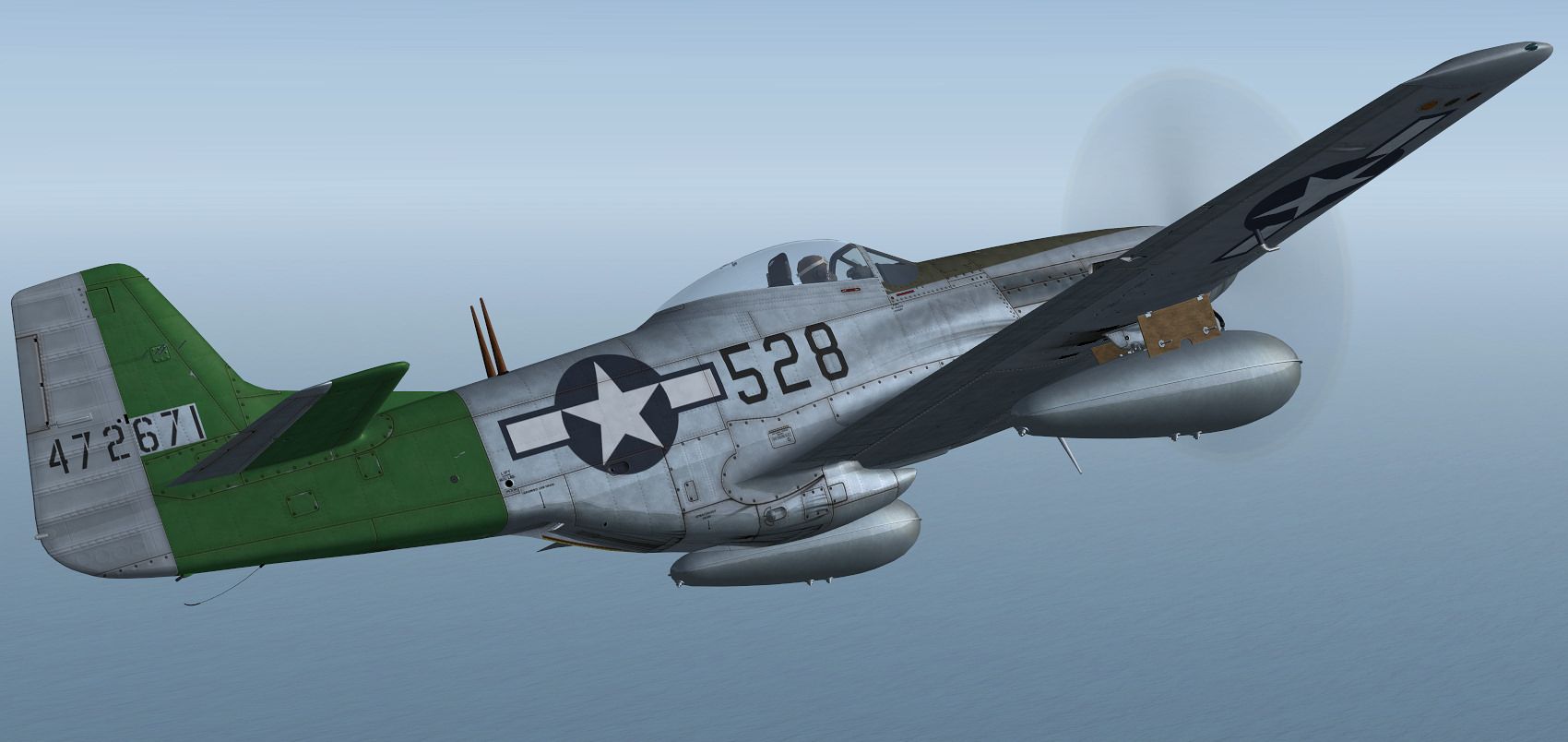
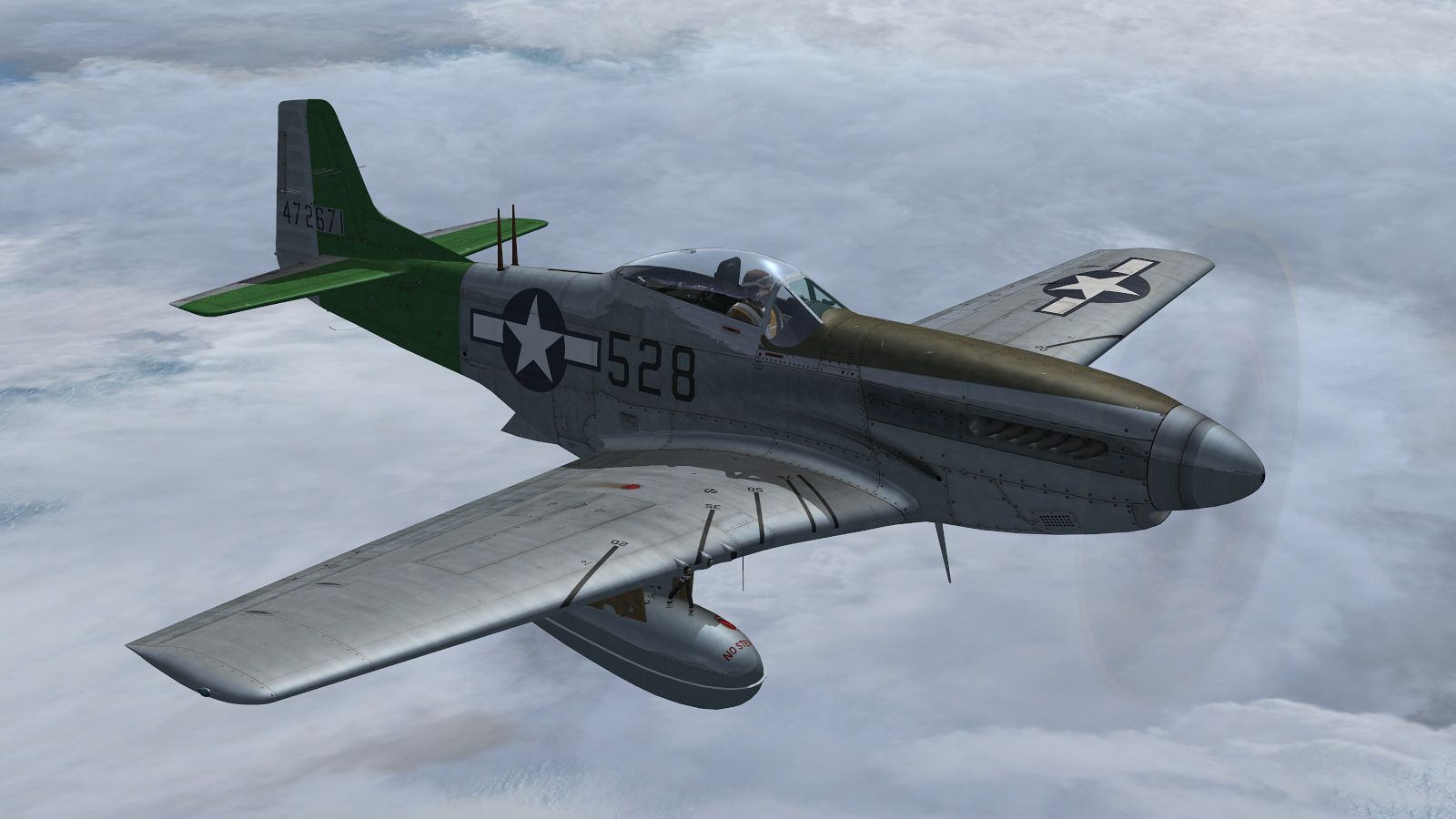
BTW, there are only a select few surviving 108-gallon paper drop tanks from the war (less than 5, that I know of), despite there being a tremendous surplus of those tanks in England after the war. The reason is centered on their construction. The tanks, made up of layers of essentially laminated paper, over light-wire frames, would turn to mush after being exposed to liquids for more than 6-7 hours. When the tanks were used in combat, they were only filled right before the mission, otherwise the tanks would have been susceptible to de-lamination while in use. The sad part about this, and the reason why so few remain today out of such an enormous surplus, was because following the war, some children began stealing some of them, and cutting them in half to form canoes. After hours in the water the tanks would fall apart, and this resulted in, if I recall correctly, at least a couple of drownings. As a result, a push was made to destroy all of the tanks and get rid of them. The P-51 on display at the USAF Museum has original 110-gallon paper drop tanks fitted. Bob Baker, owner of "Sweet and Lovely" and "Little Rebel", has an original wartime 108-gallon paper drop tank (still complete in original finish and stencils), that he purchased from a collector in the UK a number of years ago (if I recall correctly). He (along with Midwest Aero and Jack Roush) had fiberglass copies of that particular tank made, complete with all of the original imperfections, and the finish and stencils reproduced. The result is that you can't tell the fiberglass copies apart from the original, and they can be used without the problem of having them turning to mush like the originals. There are at least a couple more I am aware of, including one on display in a museum somewhere in mainland Europe. These replica tanks have been seen on select restorations, when displayed at some select air shows, limited to Bob Baker's "Sweet and Lovely" and "Little Rebel", Bruce Winter's "Happy Jack's Go Buggy", and Jack Roush's P-51B restored as "Old Crow" (which tends to mix it up, from one show to the next, between replica 75-gal tanks, or replica 500-lbs. bombs).
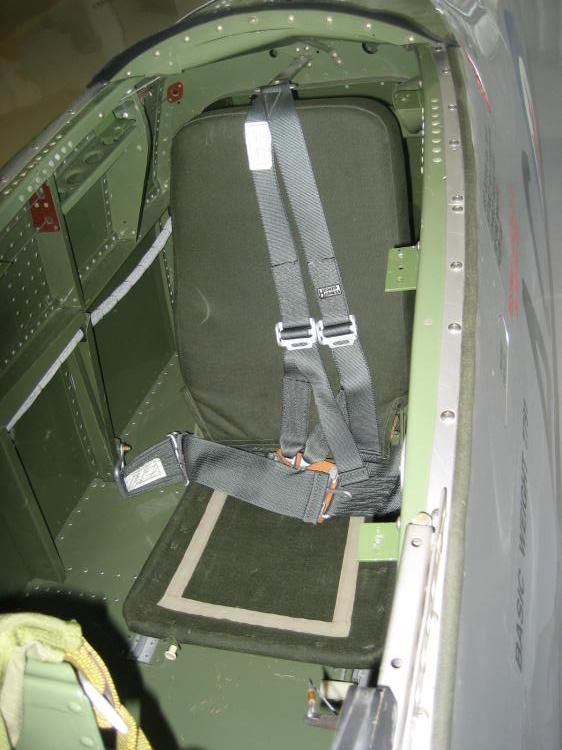
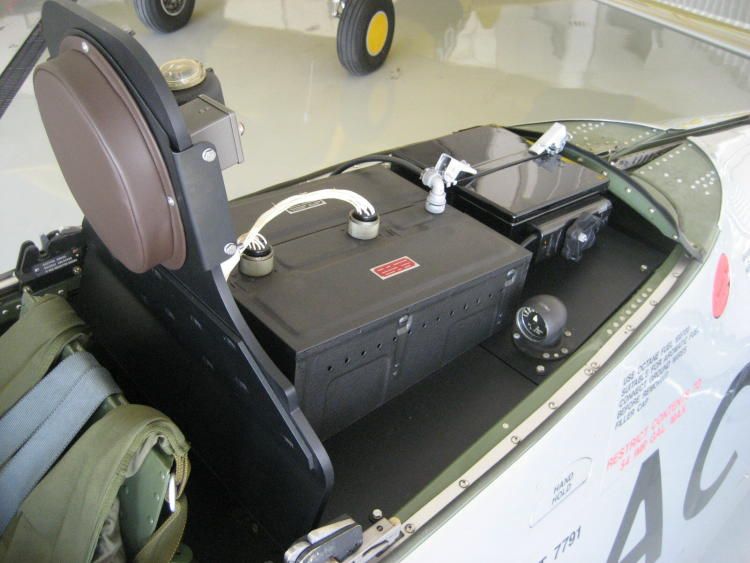
And speaking of replica parts, some of the Mustangs you might see on display at an air show that appear to have the armor plate and authentic radios/battery fitted, in some cases, actually don't. I believe it was Jack Roush's company that manufactured the fiberglass replica 108-gallon paper drop tanks, and they also manufacture a replica fiberglass "assemblage" for owners of P-51D's that have a second seat installed (and thus don't have a fixed, original armor plate or WWII radio/battery). This one-piece fiberglass unit, which fits and fastens right within the D-model's rear cockpit, will make it seem, from the out-side observer, that the aircraft has the armor plate and authentic radios/battery in the back, finished to look authentic/original, as seen below. When it comes to giving rides, all they have to do is release and remove the canopy (quite a simple operation, but requires a few guys to do it all at once), then take out the few fasteners, remove the part, secure the canopy back in-place, and they are good to go. It was quite something the first time I saw one of these, at Oshkosh a few years back, when I went over to see Jack Roush's D-model after it had arrived, and they were removing this from the aircraft, canopy off at the time, so that it could go up again with a passenger in back.
Before:
After: