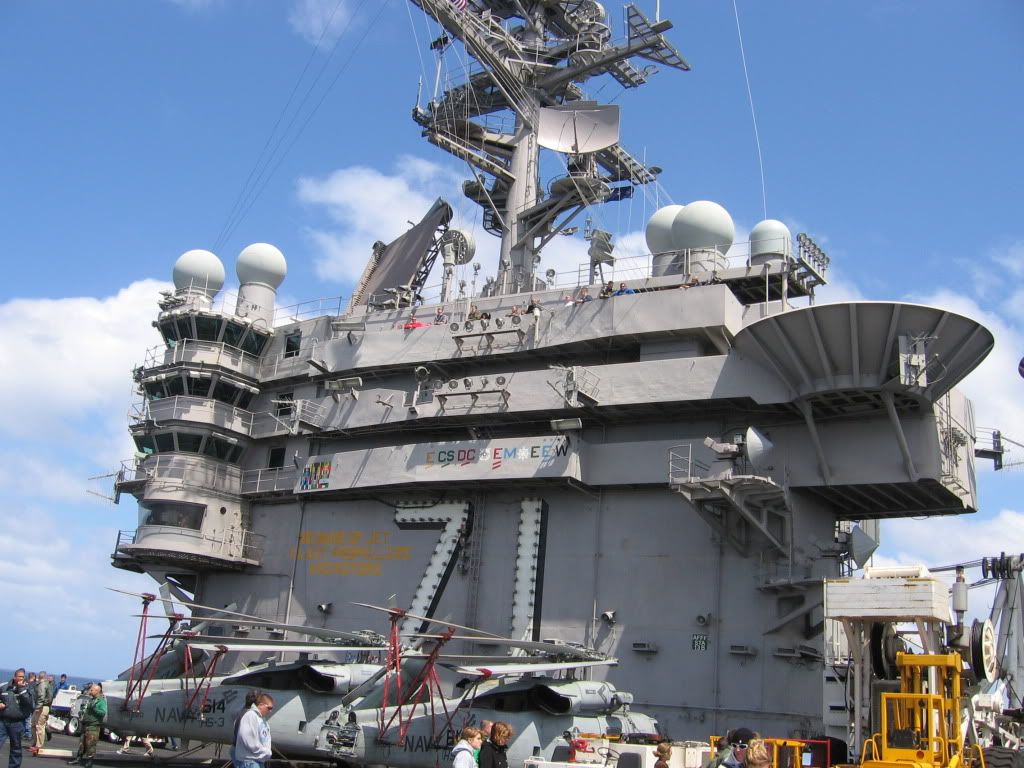
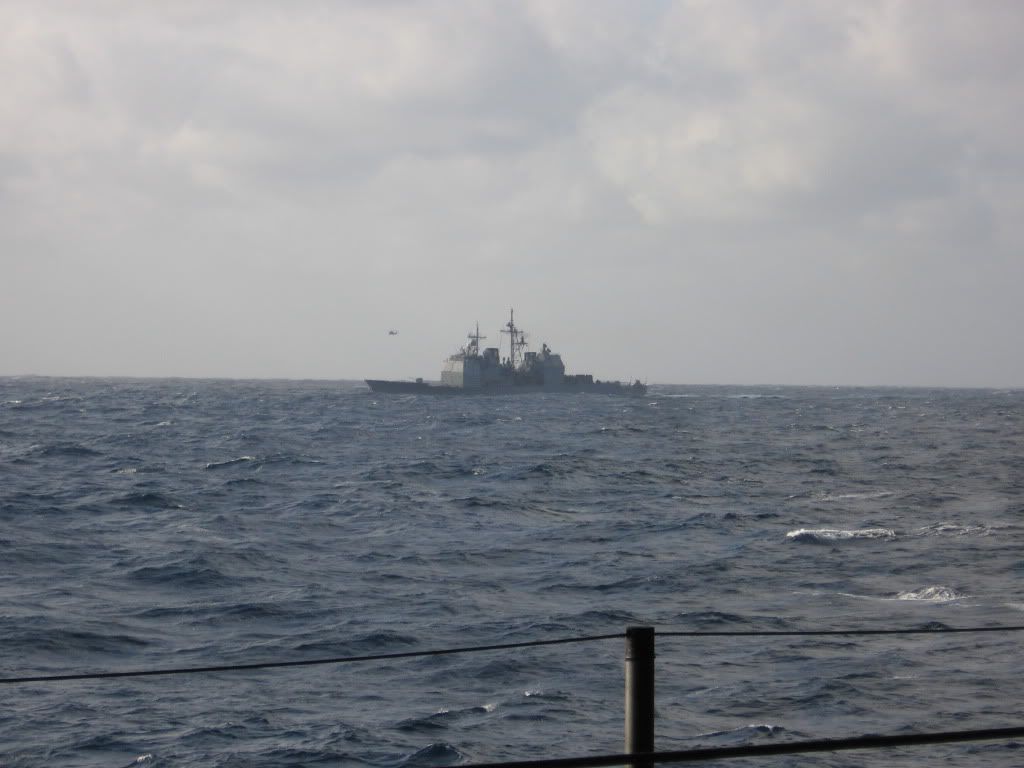
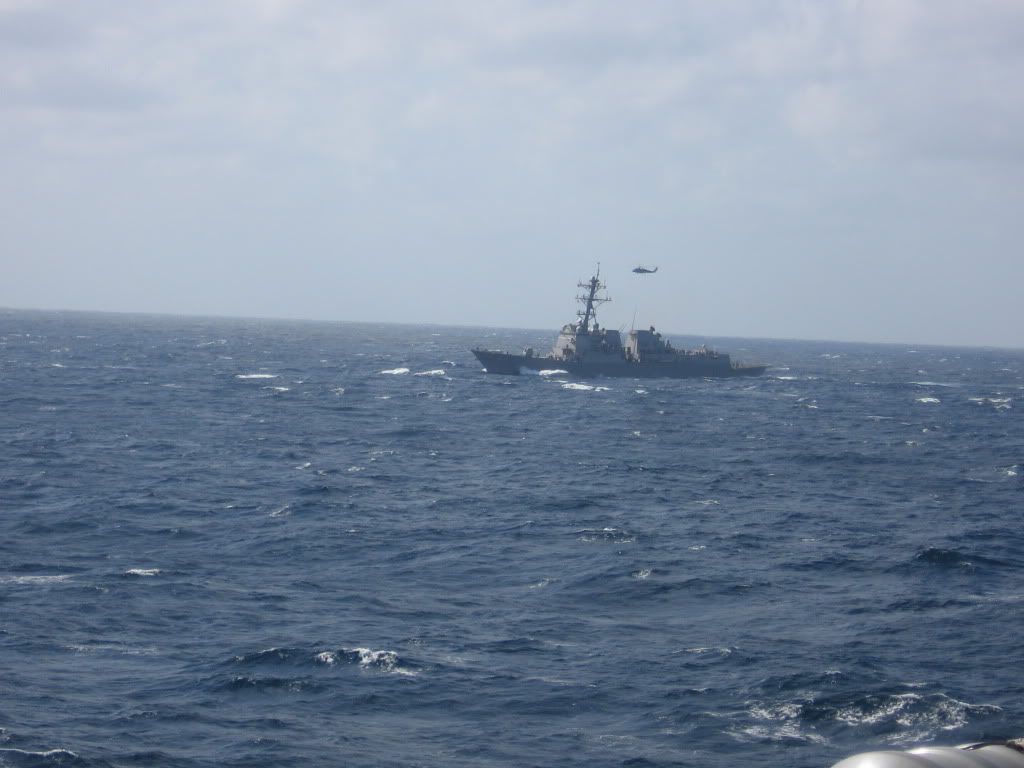
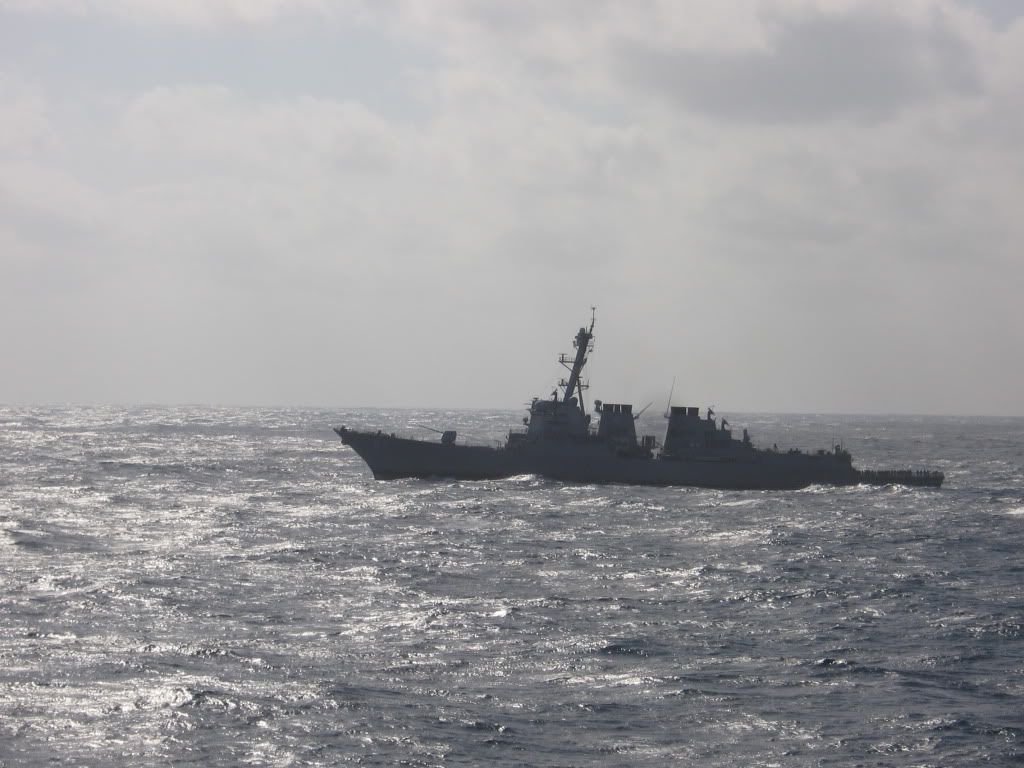
Carrier ops off Korea were conducted much like ops off Vietnam 12 years later. Allied forces enjoyed naval and air supremacy at sea, so the carrier task groups consisted of single or pairs of carriers with half a dozen or so destroyers, though usually,only one or two destroyers stayed in close to the flat tops, the rest spread out over 50-80 NM to expand radar coverage. CVL's and CVE's operated in the Yellow sea, and the CV's operated off the east coast in the sea of Japan. The really big second world war type task groups were not seen, except at Inchon, and that was a scratch force;a shadow of WW2 Amphibious fleets, as the US and comomwealth navies had run down naval strength dramaticaly 1946-1950, as 'the bomb' was thought to have made large naval forces obsolecent-Ha. On 25 june, 1950, the USN had only 3 Midways CVB's, 4 Essexes CV's , 2 Independence and 2 Saipan CVLs, and 4 CVE's in commission, and only Valley Forge with CVG 5 embarked in the far east, and 108 aircraft of all types in the Pacific. Valley Forge was joined on 1 july by HMS Triumph out of Hong Kong, and TF 77 as it was called, carried the war to the enemy untill august, when additional carriers came available. In closer to shore, small task groups of Cruisers and Destroyers (4-8 ships) steamed on the 'Gun Line', providing gunfire support and conducting interdiction of road and rail targets, mine warefare operations, radar pickett and SAR coverage- as well, all of the Iowa class BB's patroled the gunline during the conflict- only one on station at a time. The Carriers would Unrep on station, latter in the conflict as more ships, and criticaly; manpower as reservests were called up, became available, the Carriers would rotate out of bases in japan.
So, for FSX, USS Leyte CV, USS Cabot CVL, and the Casablanca's will cover the US Carriers, Only the Essexes ,CVL's and CVE's served off Korea. Bruce Fitzgeralds Fletcher class DD for escorts, the Pepper-OBIO HO3S-1 for a plane guard. The Fletchers, and there is a pilotable Iowa on FS.com thats in WW2 configuration, and converts well to AI carriers - Bruce Fitzgerald's Iowa is in the 1980's missile configuration; and Bruces pensacola class can fill in for the CA's. Earl watkins Missipilon AOR works well in AI carriers for an UNREP ship. Commonwealth Carriers were Colossus and Majestic Class CVL's- Problematic as there is only a FS9 static scenery model of a light fleet. A reasonable facsimilie can be had with the Retro AI Carrier package, in that thread in this FSX forum, which also has appropriate plane guard Dragonflys and non-Fletcher escorts- reflagged Uruku's, but they look a bit like a River or a Bay class- Properly, Tribal class destroyers were widely used by the RN, RAN and RCN off Korea.
If you give me a week or so( other projects going on !), I can bash a quick zip of generic korean ops stuff up- Ai carriers configuration sets and AI ship conversions- sim configs and folders, though you'll have to download the model files so I can keep the file size under controll. The only suplementary repaint needed would be a plain Haze grey for one of the CVE's.
[formation.xx]
title=CV32 Korean war
unit.0=USS_CV-32_AI, 0, 0
unit.1=DD445_ai , 800, -800
unit.2=AI_UH-51, 150, 120,
unit.3=DD445_ai , 0, 1200
unit.4=DD445_ai ,-600, 600
Thats one of the Essex sets I'm using in AI Carrier. The guard destroyer usualy cruises port side, 3/4 to a mile astern to keep an eye out for any one ditching, close enough to dash in and get a whale boat away, far enough off to stay out of the way of the carrier as the ship turned into the wind and worked up revs for a flying evolution. The helio will also cruise off the port side, a few hundred yards off along side and aft to keep out of the way of flight ops. Doctrine for coming aboard a straight deck is a curving approach from port astern, about a mile and a half off. When taking a wave off, aircraft are to turn off to port, so the helio stays far enough off and astern to not get run over. The reason the starboard side island became the standard ( the IJN tried port and starboard) was that pilots tended to turn left on a bolter most all the time- engine rotation and psycology. During fixed wing operations, only the plane guard helio would be hanging around the ship. The Helios of the day were rather short legged, and rotary and fixed wing flying ops did not mix well on the straight decks, so the pedro was launched at the begining of a flying evolution, and recovered at the end. The fixed wing ships only carried a 2-4 aircraft detachment of HO3S or HUP1's in those days, though the CVE Thetis Bay operated an all helio ( HO3&4S) airgroup as the first LPH by '53.
Hope that helps!