
Bomber_12th
SOH-CM-2025
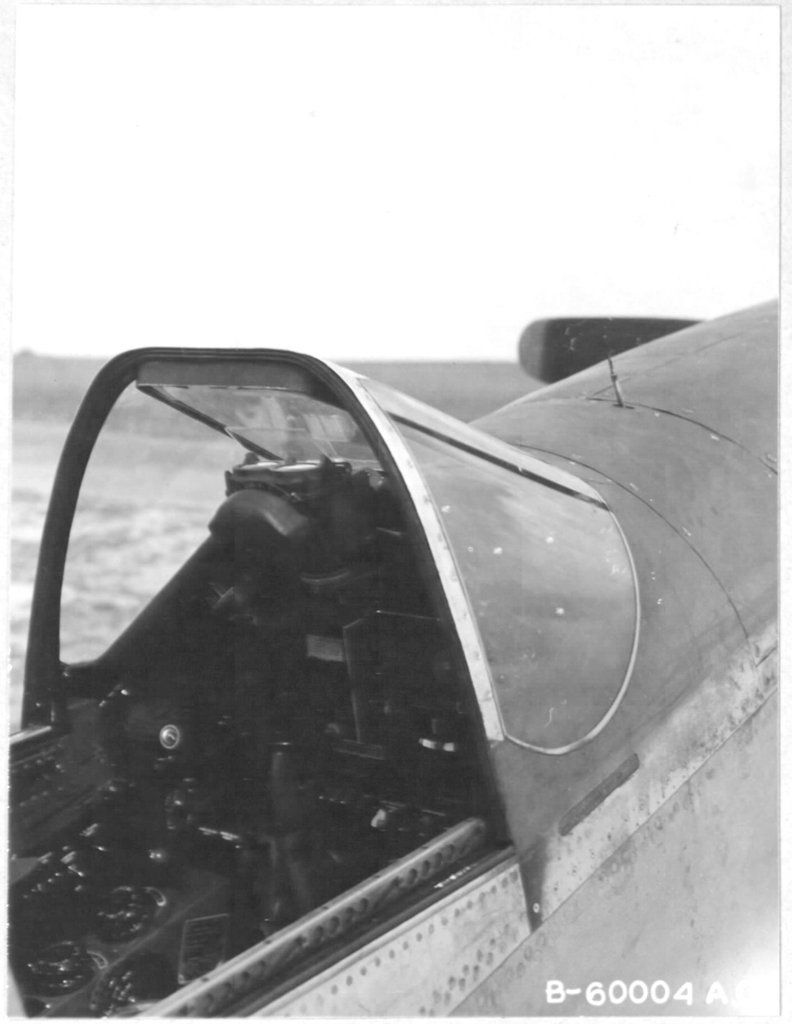
As I've been told/asked before, "aren't you done working on Mustangs for a while?" The hard part for me, is that I find interest in sometimes the smallest details, and wanting to recreate those on yet another project. For instance, I was looking at some photos of a particular 352nd FG D-model again the other day, and here is an aircraft that came from the factory with the N-9 gun sight and back-up ring and bead sight. However, the N-9 sight was removed, in the field, and a K-14 was installed - but, the back-up bead sight, positioned out in front of the windscreen, was simply left there, despite it being of no use. To me, that would be a cool little detail to reproduce, by having the K-14 there, and that bead sight still remaining for no apparent reason.
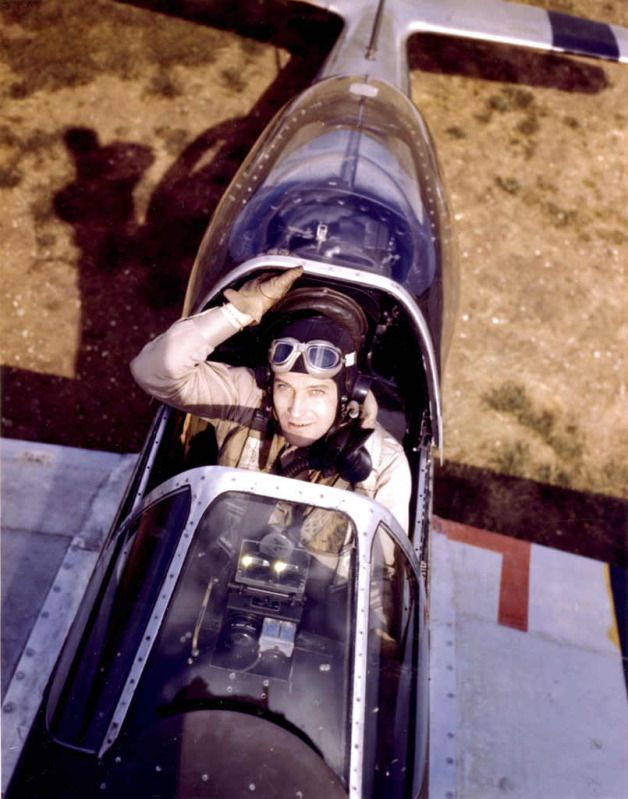
Another thing I have been wanting to do, for quite some time, is try out something that was passed on to me via one of the Mustang restorers, from Bud Anderson, regarding the installation of the K-14 gun sight. As the bumper guard on the front of the sight should tell you alone, the sight sticks out from the instrument panel by an aweful lot, to the point that when you are seated in the cockpit, it is pretty much right in your face. (The bumper guard is there, because whenever you bend forward your head is destined to strike the gun sight. They always stenciled on the "No Hand Hold" because when you are climbing in and out of a Mustang, you are looking for anything to put your hand on to hold onto, and the bumper guard looks like the perfect thing to wrap your hand around. However, with much pressure on it, the foam guard will break in half, where it is thinnest, as shown in an old period photo I'll try to dig up. It was even worse in P-51B/C's, with the N-3 sight, as it had no bump guard, and many guys, both then and now, have skinned their head on it, when bending forward in the cockpit.) Anyway, according to Bud Anderson, it was common practice, in the field, to remove the K-14 and bracket, and cut into the top center of the instrument panel shroud, by about 3-inches forward, and cut-up and re-fix the gun sight mount, so that the K-14 was now positioned several inches further forward, so that it was no longer so much in the pilot's face. This is something that you'll be able to see (and bennefit from) on one of the very next projects in the "Then and Now" series. More than just not having the K-14 right in your face, it also allows you to view more of the instrument panel without having to duck down underneath the sight. There is a P-51K, preserved in the Netherlands, that served with the 78th FG in WWII, that was modified in the field with the installation of the K-14, and it still has this same in-field cut-out in the instrument panel shroud.
This photo shows Col. Don Blakeslee in his aircraft - note the detail of the cut-out and re-positioned K-14, as well as the detail of the battery seen behind the armor plate, markings and stencils, and general wear.

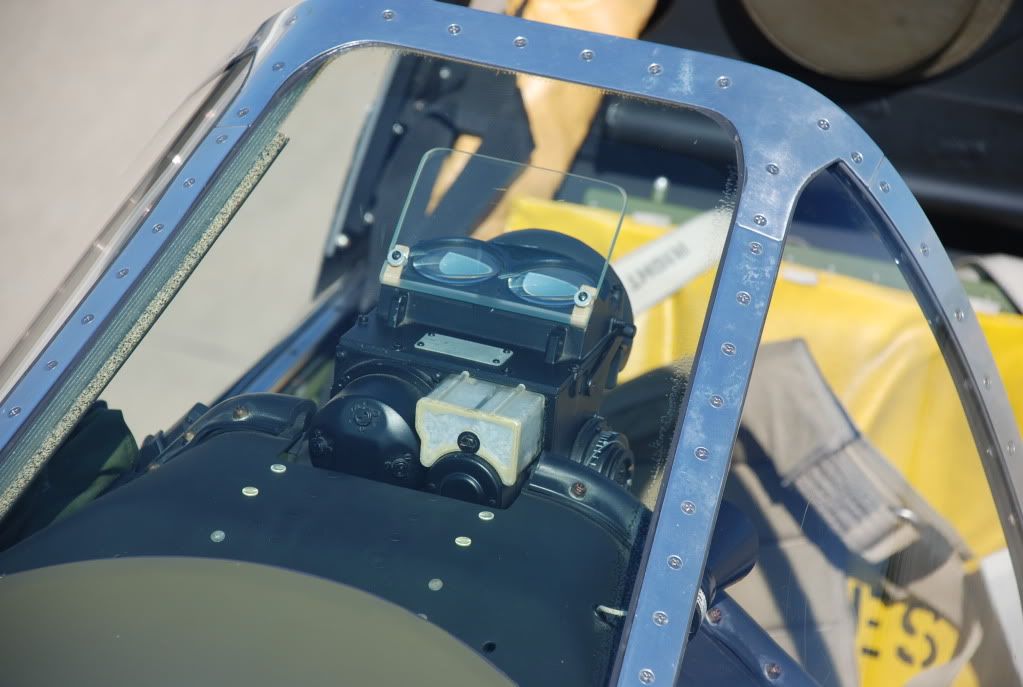
Oh, and here is photo like the one I was mentioning about the 352nd FG P-51D-5-NA, though is not the same one nor the same aircraft, but shows a P-51D-5-NA (note the instrument panel) with a K-14 added in the field (with the K-14 twist grip throttle) but still has the useless (with the K-14) bead sight in-place. I think this one too had the cut-out in the instrument panel shroud done, with the K-14 positioned forward more than the stock installation.
Another thing I have been wanting to do, for quite some time, is try out something that was passed on to me via one of the Mustang restorers, from Bud Anderson, regarding the installation of the K-14 gun sight. As the bumper guard on the front of the sight should tell you alone, the sight sticks out from the instrument panel by an aweful lot, to the point that when you are seated in the cockpit, it is pretty much right in your face. (The bumper guard is there, because whenever you bend forward your head is destined to strike the gun sight. They always stenciled on the "No Hand Hold" because when you are climbing in and out of a Mustang, you are looking for anything to put your hand on to hold onto, and the bumper guard looks like the perfect thing to wrap your hand around. However, with much pressure on it, the foam guard will break in half, where it is thinnest, as shown in an old period photo I'll try to dig up. It was even worse in P-51B/C's, with the N-3 sight, as it had no bump guard, and many guys, both then and now, have skinned their head on it, when bending forward in the cockpit.) Anyway, according to Bud Anderson, it was common practice, in the field, to remove the K-14 and bracket, and cut into the top center of the instrument panel shroud, by about 3-inches forward, and cut-up and re-fix the gun sight mount, so that the K-14 was now positioned several inches further forward, so that it was no longer so much in the pilot's face. This is something that you'll be able to see (and bennefit from) on one of the very next projects in the "Then and Now" series. More than just not having the K-14 right in your face, it also allows you to view more of the instrument panel without having to duck down underneath the sight. There is a P-51K, preserved in the Netherlands, that served with the 78th FG in WWII, that was modified in the field with the installation of the K-14, and it still has this same in-field cut-out in the instrument panel shroud.
This photo shows Col. Don Blakeslee in his aircraft - note the detail of the cut-out and re-positioned K-14, as well as the detail of the battery seen behind the armor plate, markings and stencils, and general wear.
Oh, and here is photo like the one I was mentioning about the 352nd FG P-51D-5-NA, though is not the same one nor the same aircraft, but shows a P-51D-5-NA (note the instrument panel) with a K-14 added in the field (with the K-14 twist grip throttle) but still has the useless (with the K-14) bead sight in-place. I think this one too had the cut-out in the instrument panel shroud done, with the K-14 positioned forward more than the stock installation.