Melo965
Members +
I even included your airport in the top right corner of the Flight 7 picture.MOST impressive, and thanks so much.

Please see the most recent updates in the "Where did the .com name go?" thread. Posts number 16 and 17.
Just when you think you have everything running some what better...
You get a message from the Hosting company. Short story they need to move us to a new server. I have been working with them to plan a good date for all concerned. Here is what we have come up with as a schedule.
If all goes well we should be back online on November 8th.
To keep you updated we will post updates on AVSIM forums.
Thank you for your support.
I even included your airport in the top right corner of the Flight 7 picture.MOST impressive, and thanks so much.

I even included your airport in the top right corner of the Flight 7 picture.

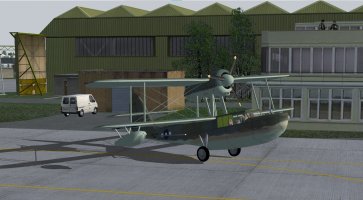
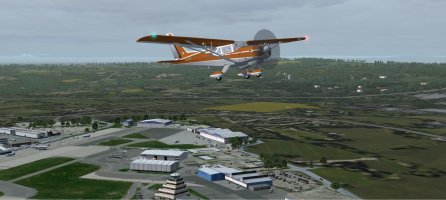
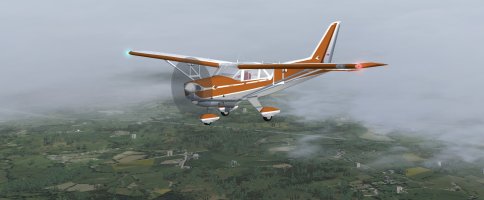
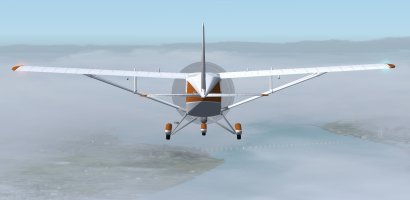
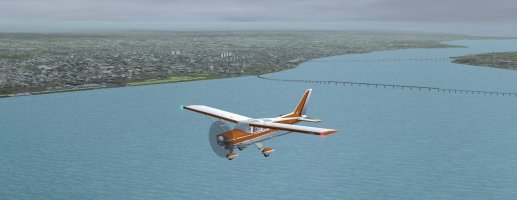
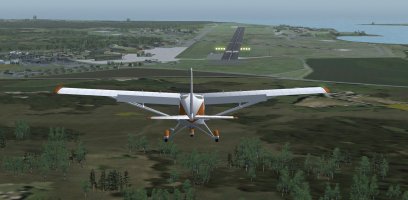
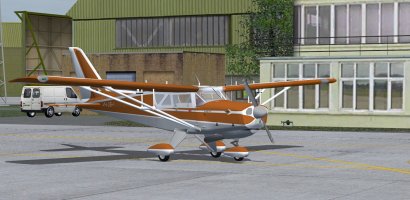
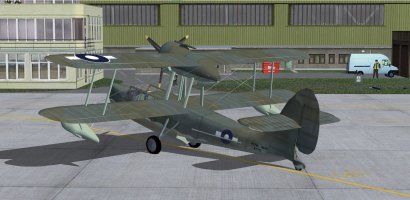

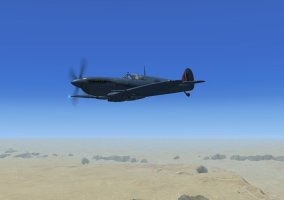
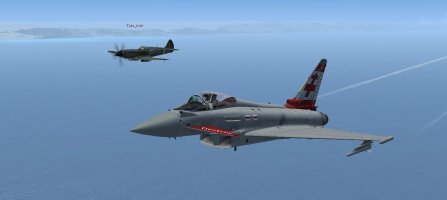
I haven't seen any textual reports, but my first guess would be that the Typhoons didn't slow-fly all the time but joined up at certain points for the public. They actually could do the leg at 200-230kts, but the Treasury might not be able to afford the fuel bill.It'd be interesting to fly these legs twice, once in a suitable Spitfire and once in the RAF's supporting aircraft for the same legs. Comparing the flight times would be interesting, I'm not sure a Typhoon would manage to keep slow enough!
Or even that Jupiter chopper could keep up for Flight 6!
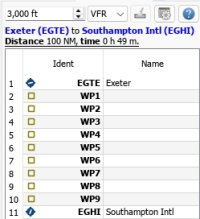
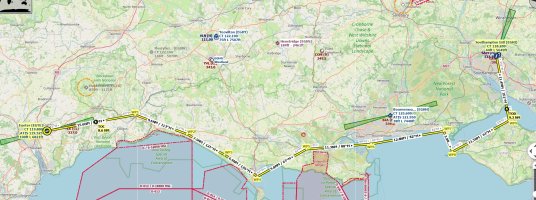

I don't think we'll be able to resist popping into Mach LoopView attachment 186551
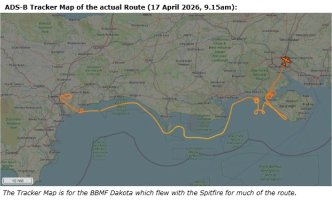
This second picture shows the actual route flown by the TR9 K5054 Spitfire if you want to copy the exact maneuvers flown.
For those who use a different flight planner than LittleNavMap, also attached is a text file with the waypoints for flight 6.
Flight plans for the other flights are on the way. . .

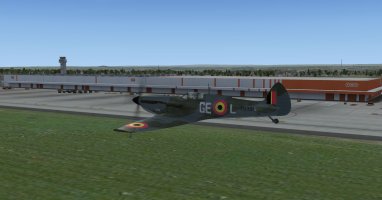

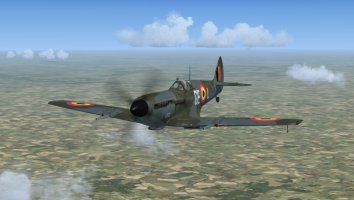
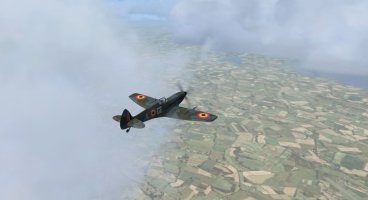
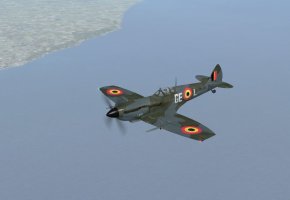
 )
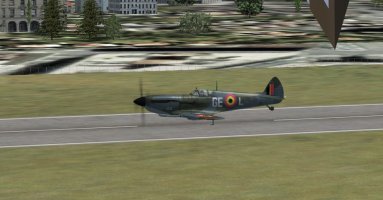
)
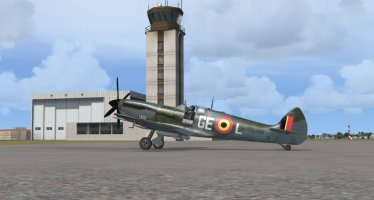
Two or three of us had engines quit from the cold or something on approach to Aspen in the mountains. It being my first ever flight in a DC-9, I was the only one who could not get the engines restarted, and had to do an off airport belly landing.I remember having to send out an Albion helicopter rescue flight to collect you from the mountains around Aspen Co, I think it was?
For instance 4 pm UTC/GMT would be Noon EDT for me in Ontario, Canada and 10 am for Rob in Alberta, Canada.
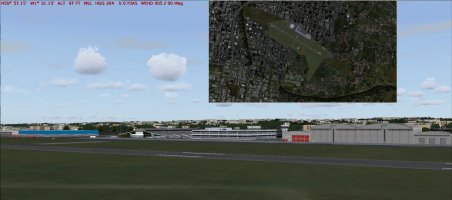
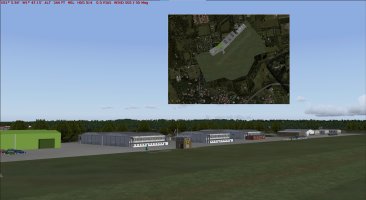
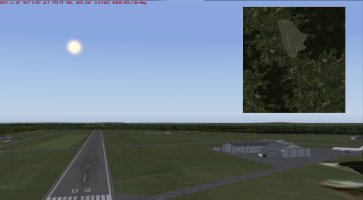
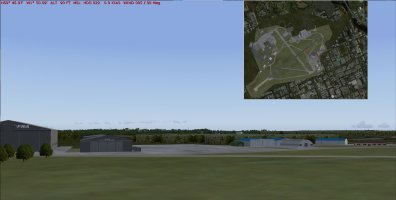
..........but for an ILS approach I can only lock onto the localizer and it never locks onto the glide slope for some reason. Either I'm missing something or ILS approaches are not possible.
but are you approaching the glide slope from below?