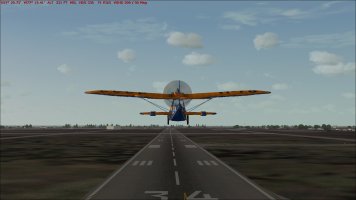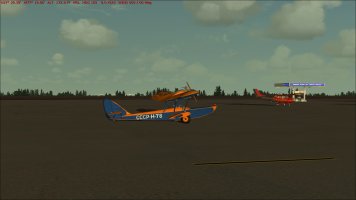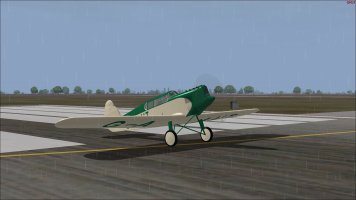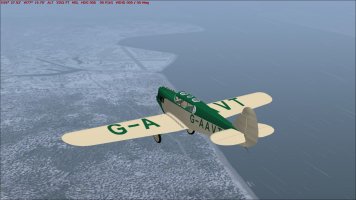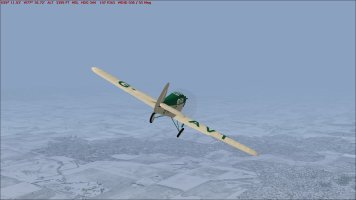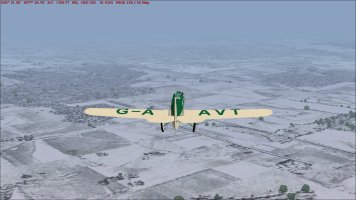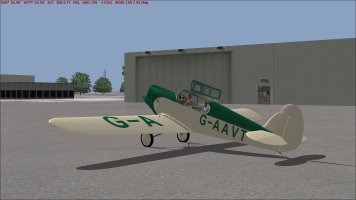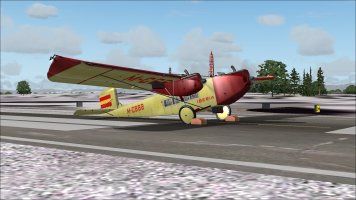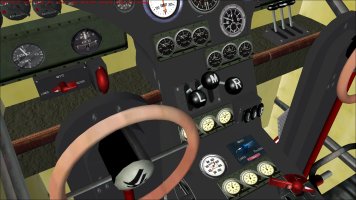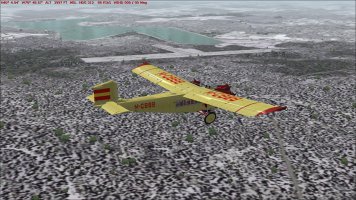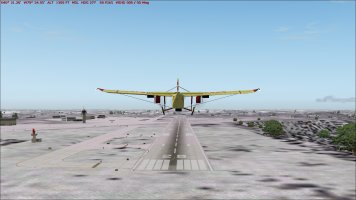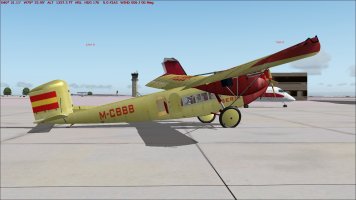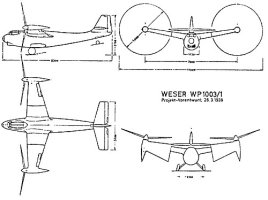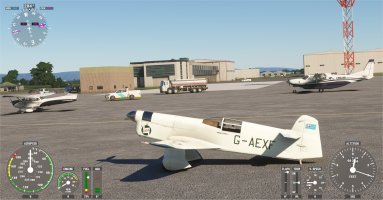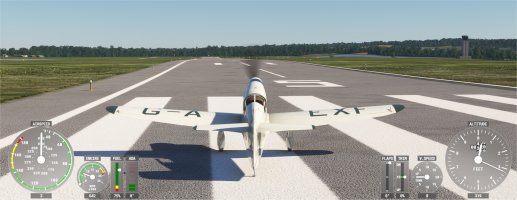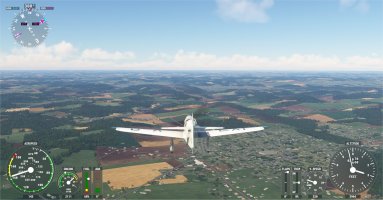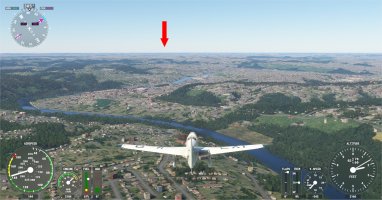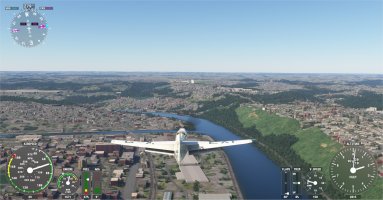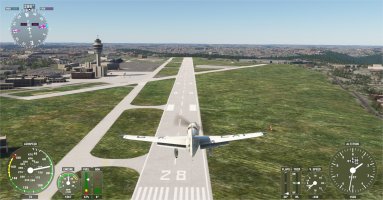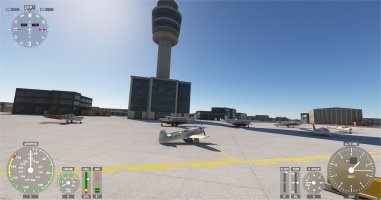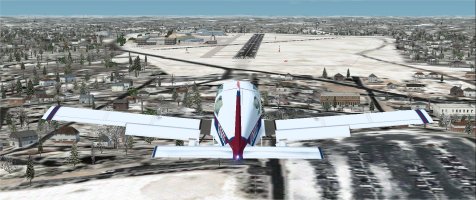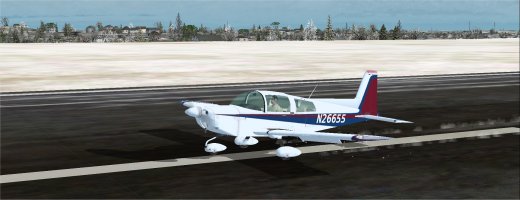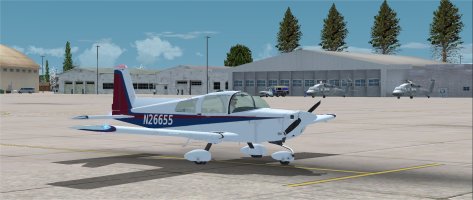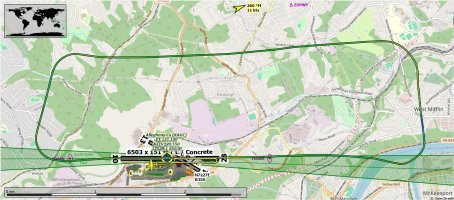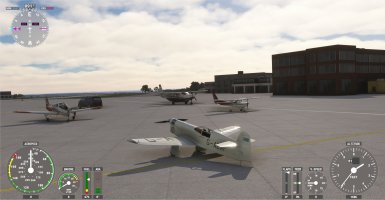
With no desire for further flight in the Wright B, I looked around for whatever else was available. Seems a pilot was needed for a new aircraft that needed publicity, I saw nothing nearby, but a long walk past the end of the runway disclosed ... a "whatsit"
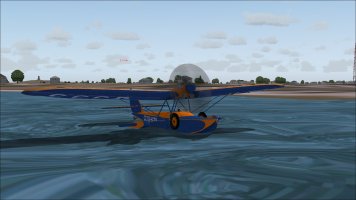
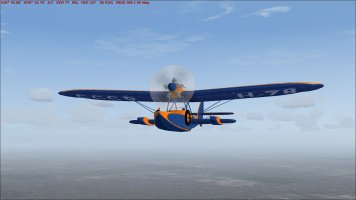
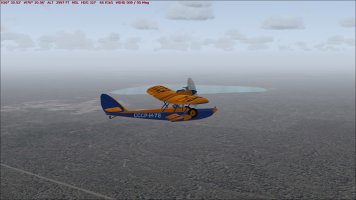
The Shavrov SH2 prototype was constructed in 1928 though due to political turmoil it didn't fly for another year (two of the mechanics working on it were arrested for espionage; the charges were later dropped but Shavrov distanced himself from the incident, personally dismantling the aircraft, and shipping the parts by truck to Neva airport, where it was reassembled and tested). The first flight was from Neva to Moscow, in 5 hours 30 minutes; designed as a civil aircraft, the military expressed interest, though it seems they only used it for recon and liaison work. The plane entered construction in 1930, records are spotty and inconsistent but it is believed at least 700, maybe as many as 1200, had been made when production ended in 1954. The last ones were retired in 1964. Little known outside the USSR (and Finland, who captured several during WWII), only two are known to exist today, one in a museum in Moscow and one in a museum in Missouri. One (maybe both) still airworthy
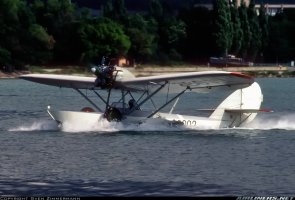
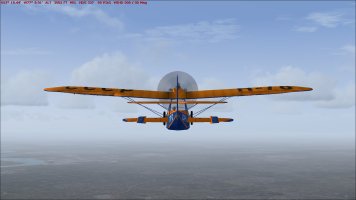
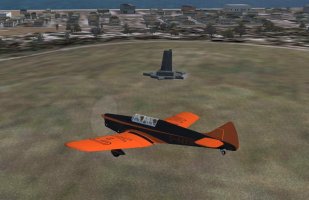
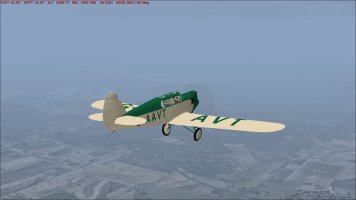
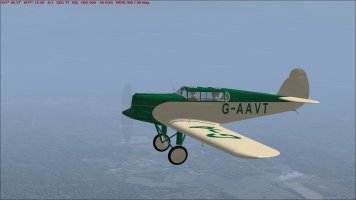
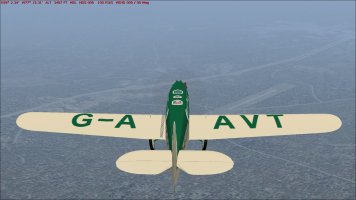
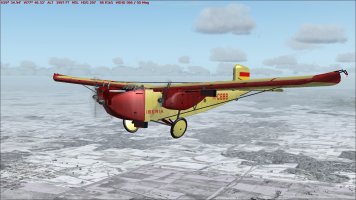
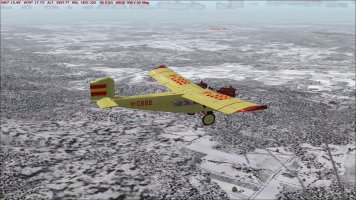
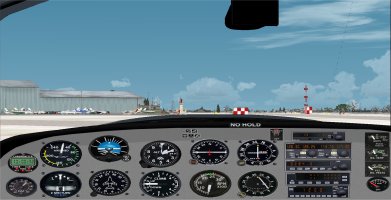
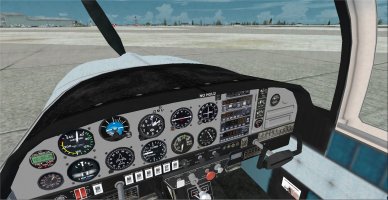
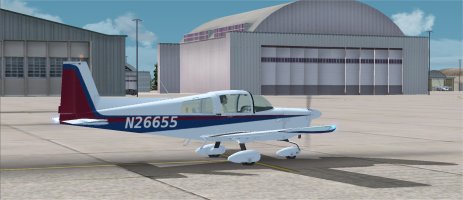
The FS2004 model (from Alex Belov) represents a standard production 100hp aircraft, underpowered, cruise only 65-70kt, and climbing faster than 300ft/min risks stalling; postwar planes had 120-135hp (think I'll rebuild mine). No idea the significance of this color scheme, it's the same as the university I attended. FWIW the SH2 is available for MSFS and XPlane.
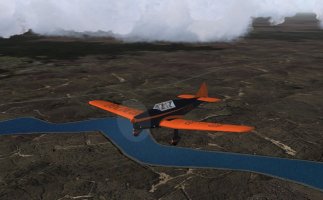
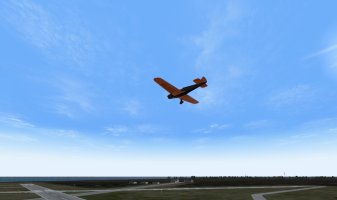
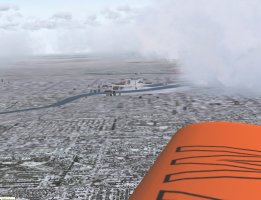
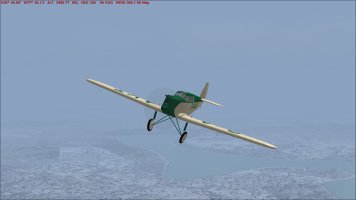
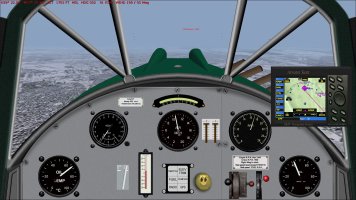
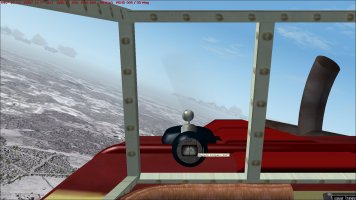
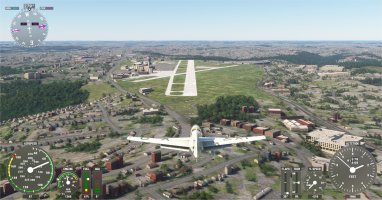
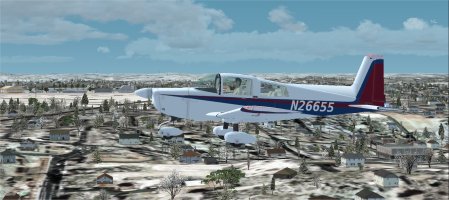
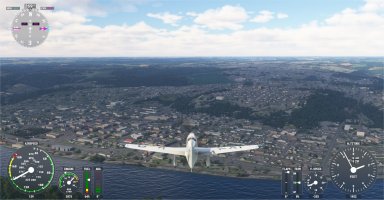
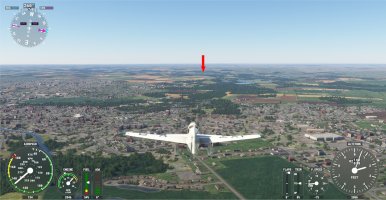
Still climbing as I reach the mainland.
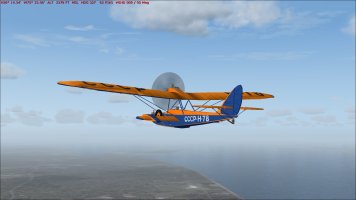
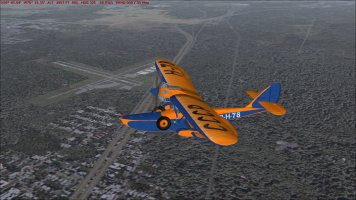
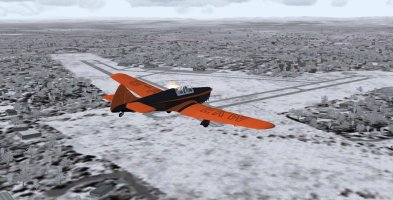
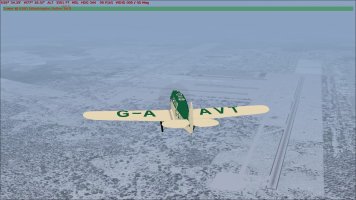
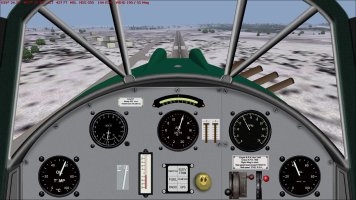
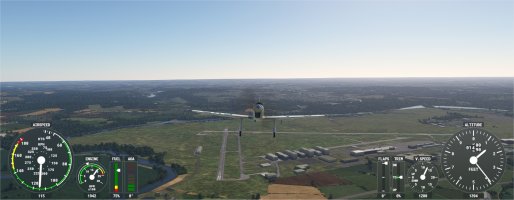
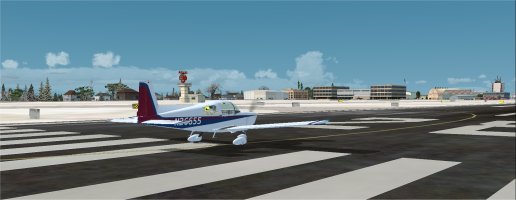
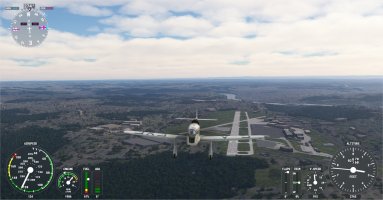
9W7, Currituck County Airport, now known as KONX. Built by the Army in 1942 as Barco Flight Strip, an emergency landing strip for training flights. Closed after the war and turned over to the local govt, it became Maple Airstrip, though was used mostly as a drag strip, until 1959 when a couple of people were killed in an accident there and it was shut down. Eventually the county took it over and it has grown steadily since.
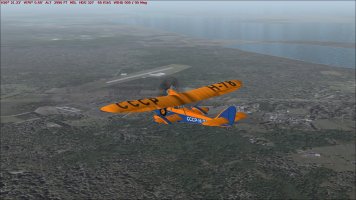
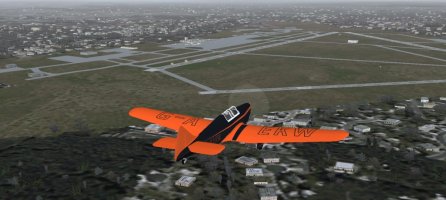
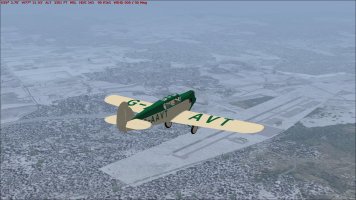
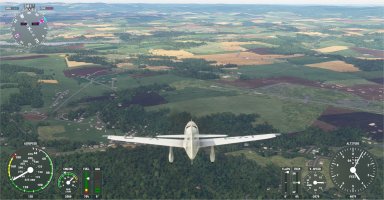
KCPK, Chesapeake Regional (neither wiki nor the airport's own site give any interesting info ...Chesapeake Regional Airport Does NOT Ship Animals, CHESAPEAKE AIRPORT DOES NOT PROCESS SHIPMENTS OF ANY KIND, Avionics Services Not Available at CPK)
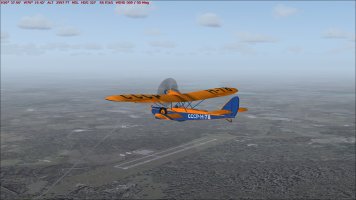
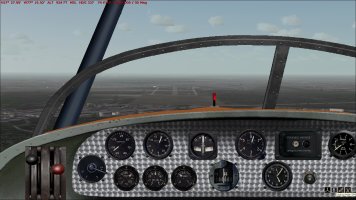
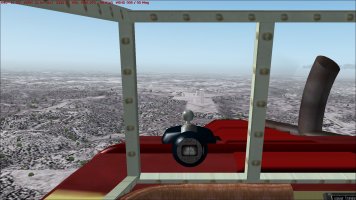
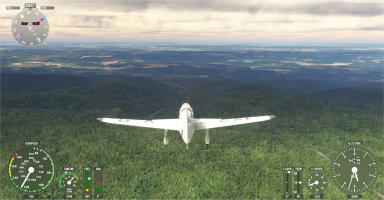
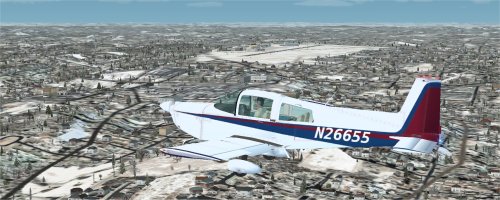
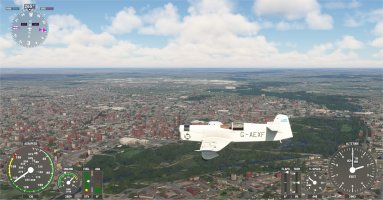
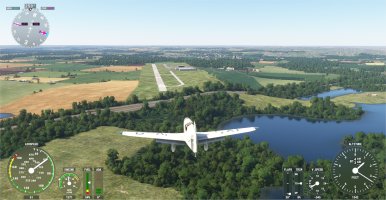
Cruising past that lake again, 68kt at 3000ft (took ten minutes to reach that altitude)
The Shavrov SH2 prototype was constructed in 1928 though due to political turmoil it didn't fly for another year (two of the mechanics working on it were arrested for espionage; the charges were later dropped but Shavrov distanced himself from the incident, personally dismantling the aircraft, and shipping the parts by truck to Neva airport, where it was reassembled and tested). The first flight was from Neva to Moscow, in 5 hours 30 minutes; designed as a civil aircraft, the military expressed interest, though it seems they only used it for recon and liaison work. The plane entered construction in 1930, records are spotty and inconsistent but it is believed at least 700, maybe as many as 1200, had been made when production ended in 1954. The last ones were retired in 1964. Little known outside the USSR (and Finland, who captured several during WWII), only two are known to exist today, one in a museum in Moscow and one in a museum in Missouri. One (maybe both) still airworthy
The FS2004 model (from Alex Belov) represents a standard production 100hp aircraft, underpowered, cruise only 65-70kt, and climbing faster than 300ft/min risks stalling; postwar planes had 120-135hp (think I'll rebuild mine). No idea the significance of this color scheme, it's the same as the university I attended. FWIW the SH2 is available for MSFS and XPlane.
Still climbing as I reach the mainland.
9W7, Currituck County Airport, now known as KONX. Built by the Army in 1942 as Barco Flight Strip, an emergency landing strip for training flights. Closed after the war and turned over to the local govt, it became Maple Airstrip, though was used mostly as a drag strip, until 1959 when a couple of people were killed in an accident there and it was shut down. Eventually the county took it over and it has grown steadily since.
KCPK, Chesapeake Regional (neither wiki nor the airport's own site give any interesting info ...Chesapeake Regional Airport Does NOT Ship Animals, CHESAPEAKE AIRPORT DOES NOT PROCESS SHIPMENTS OF ANY KIND, Avionics Services Not Available at CPK)
Cruising past that lake again, 68kt at 3000ft (took ten minutes to reach that altitude)