
Bomber_12th
SOH-CM-2025
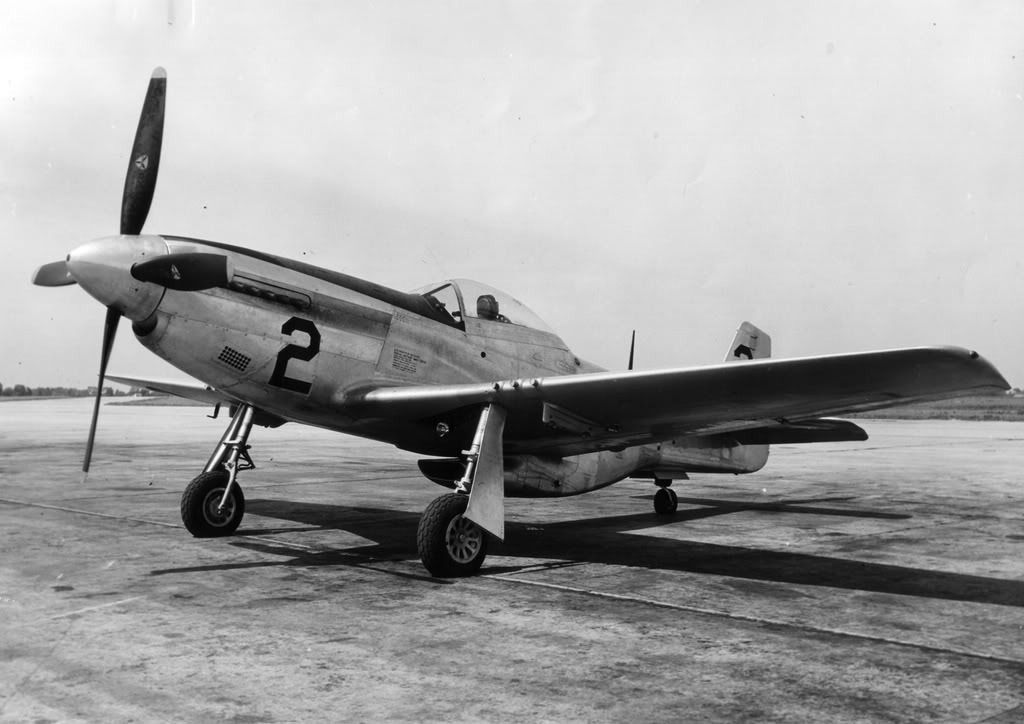
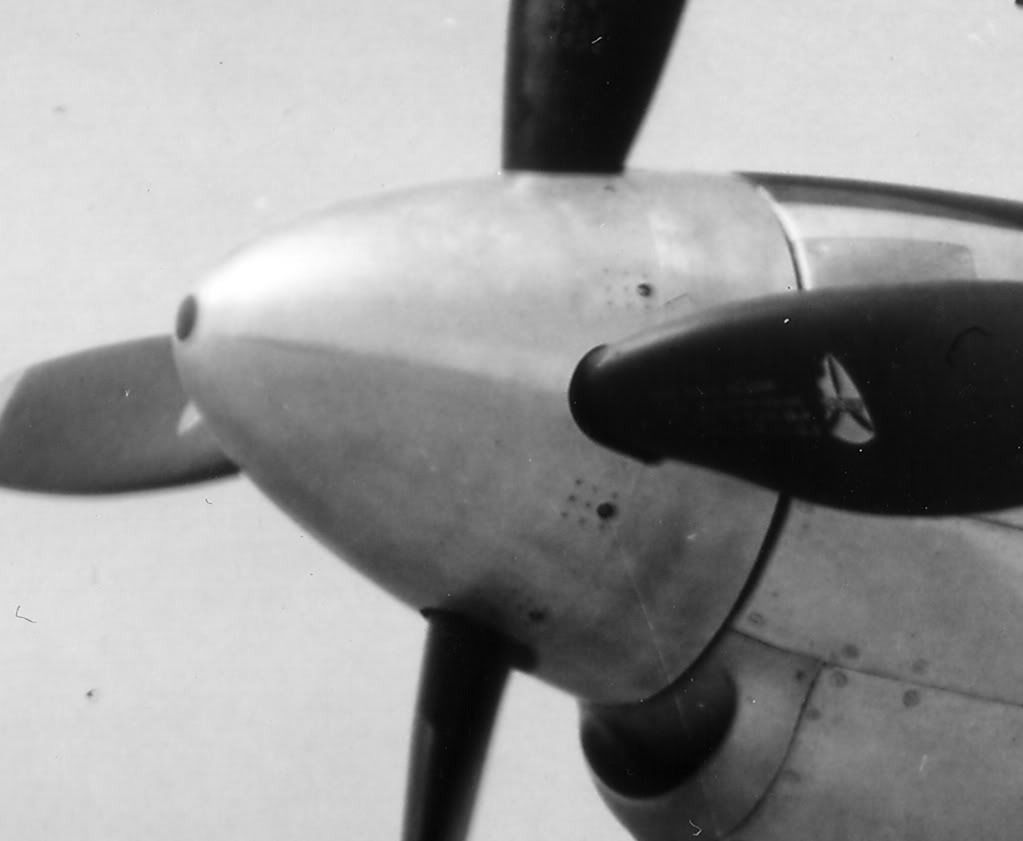
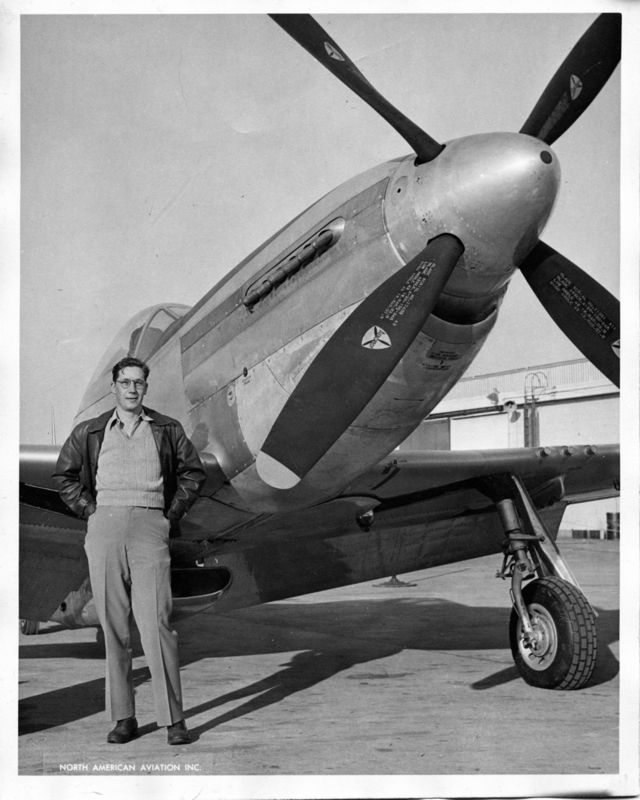
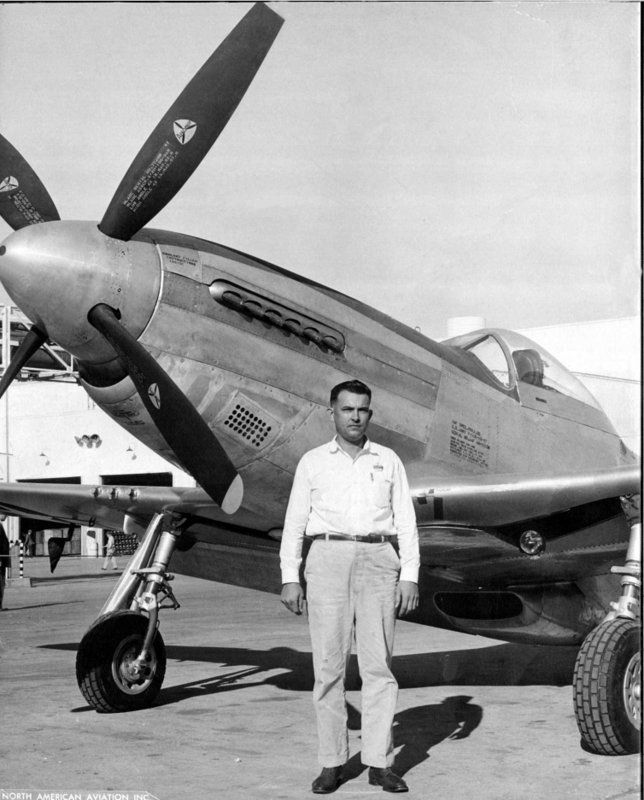
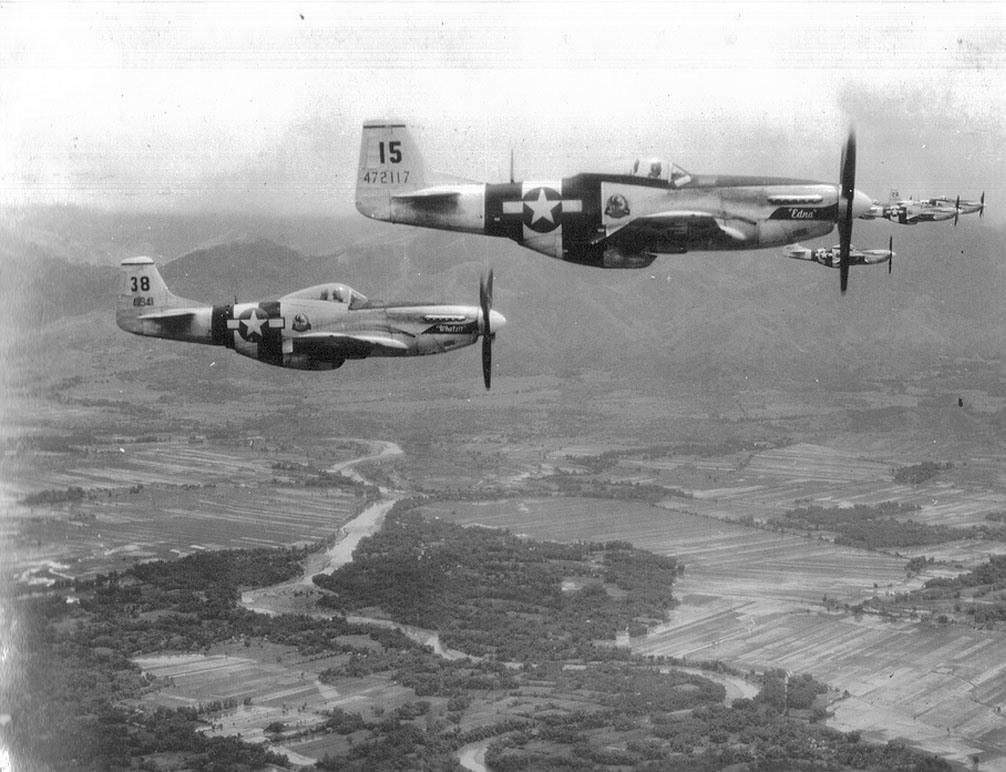
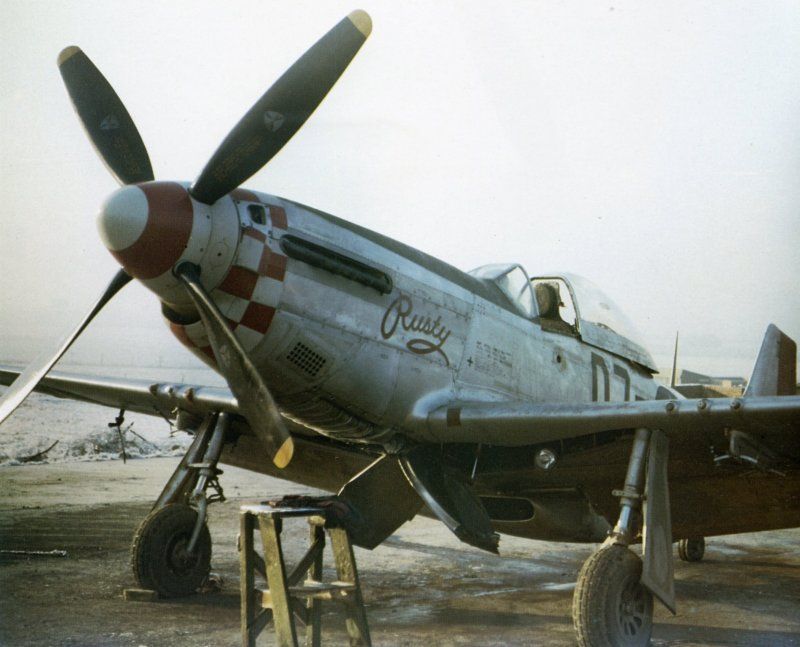
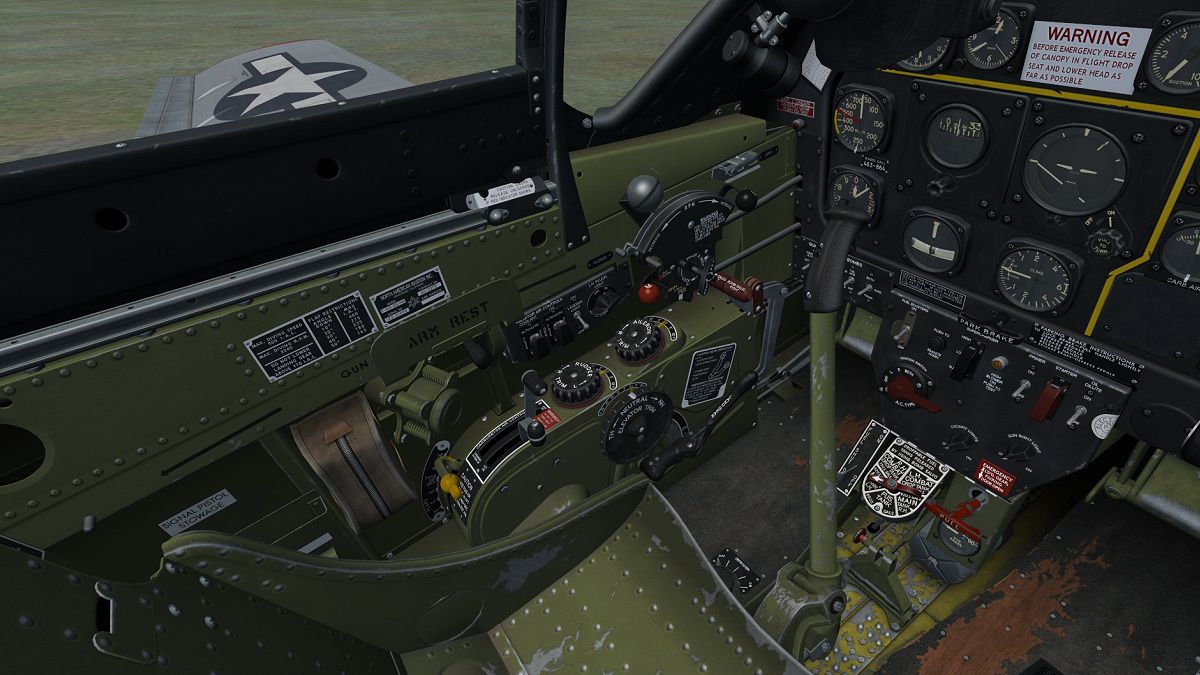
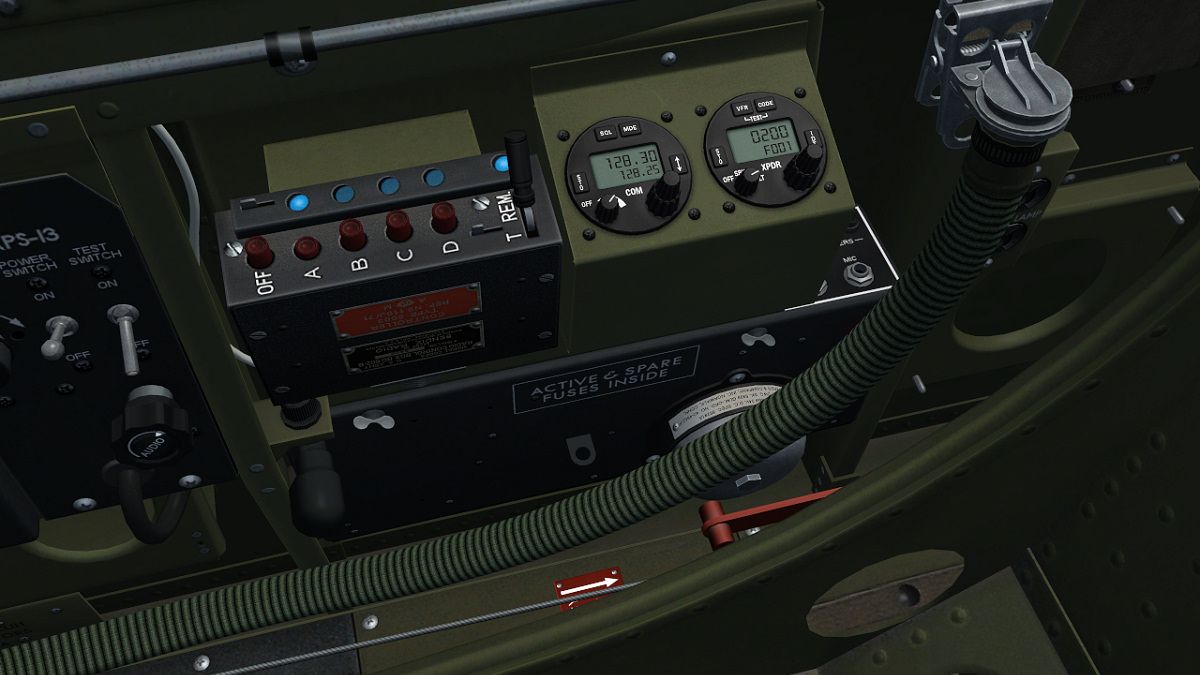
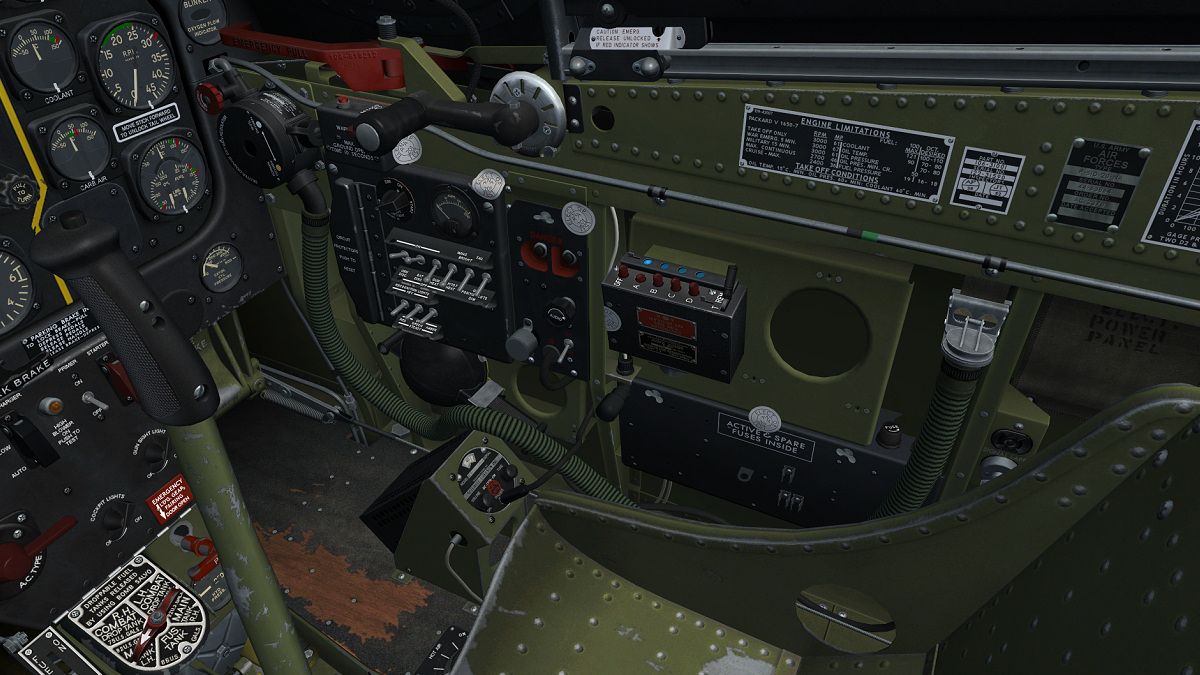
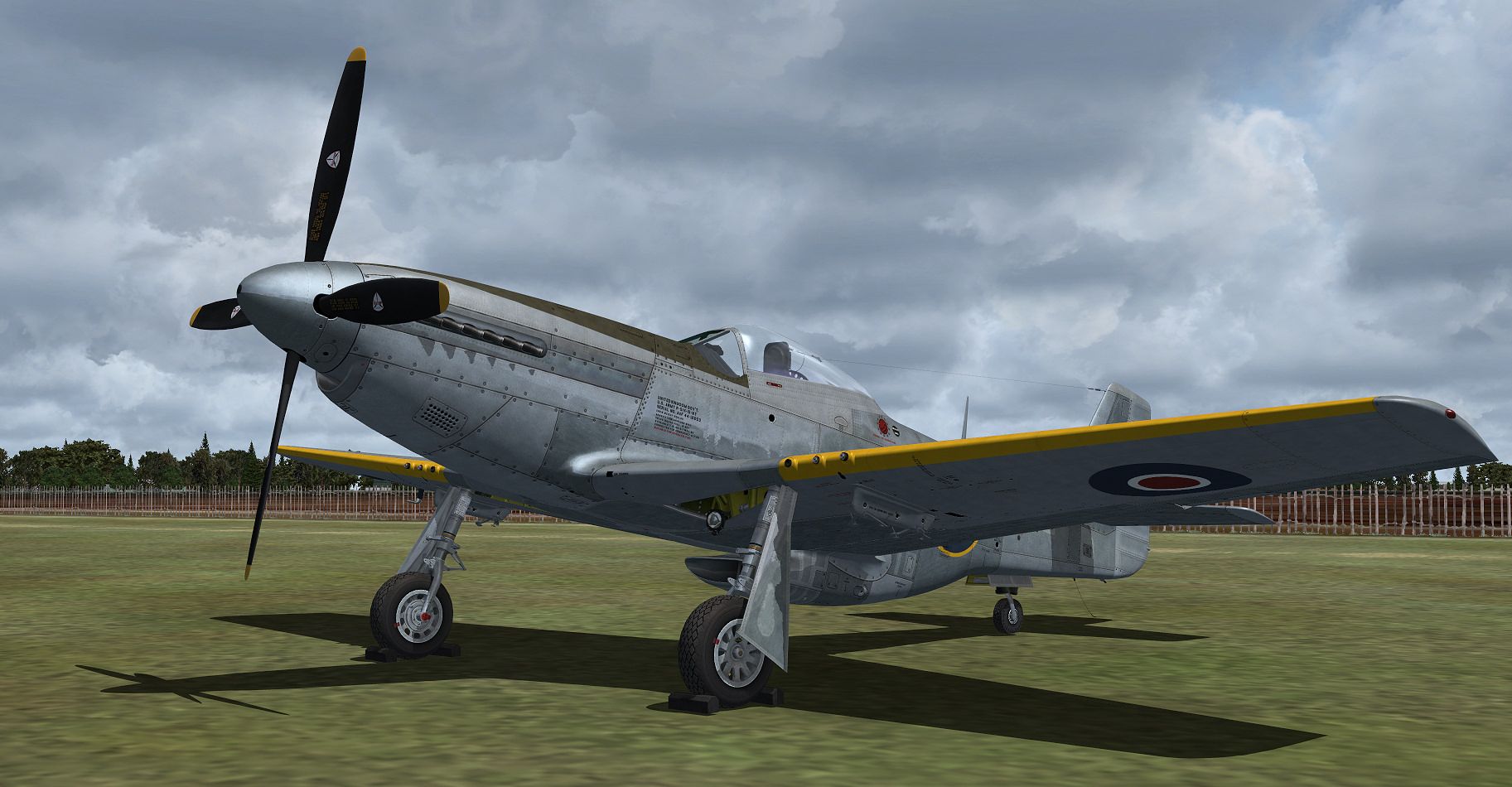
Manufactured at the NAA Dallas plant, the P-51K was a direct result of being able to produce more aircraft, faster, than Hamilton Standard were able to supply propellers. The Aeroproducts company was sourced to provide prop blades as well, but in order to mount the Aeroproducts units to the P-51, a new spinner had to be designed in order to mount them. Because of this design change, all of the Mustangs, that were otherwise identical to specific production block P-51D's, were named P-51K. Just as with the P-51D, there were different production blocks of the P-51K, the last of which was the P-51K-15-NT, which was the same as the P-51D-30-NA/P-51D-30-NT, but with the Aeroproducts prop and spinner. The vast majority of all P-51K-15-NT production was for the RAF, and as included in Warbirdsim's "Little Friends I" product, the P-51K in the screenshots below illustrates the factory delivery scheme of RAF P-51K-15-NT's, ready to be shopped out from the U.S. Instead of the top line of the data block reading "AAF SPEC. PROJ. NO.", it simply reads "UNITED KINGDOM GOV'T", as was the case. While the aircraft sports its RAF serial number (which NAA applied using the same stencils as the USAF tail numbers), the aircraft does also have a USAAF serial number assigned to it, which is present in the data block, and in the cockpit placards.
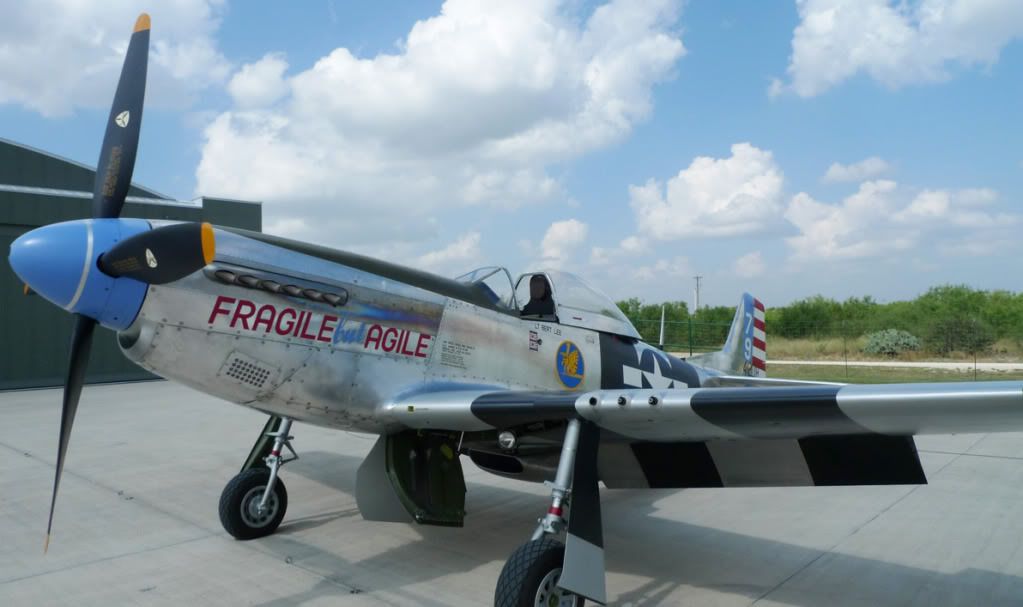
The bright marks/lines on the metal, is an authentic production detail. Wherever there were spot welds, the surface of the metal had to be absolutely clean. In order to accomplish that, fast, acid was simply brushed on where the spot welding was to occur, which etched the metal. This would show up the most, on aircraft fresh from the factory, but would tend to "fade" away over time, with wear and any polishing (which some groups did do in the field - its about pride in your aircraft, and wanting it to look and perform its best). You'll find this acid etching on most all other US manufactured aircraft during WWII as well, though it has often never been reproduced. These sorts of details have, however, become more well known in recent years, with restorations like "Happy Jack's Go Buggy". This can be seen the most, on and around the radiator intake and on the gear doors, while some of the panels the whole panel is treated. That's why the cowl panels and some others are 'brighter' and less reflective than the rest of the bare metal.
Also, speaking of finishes, at the factory the wings were always filled, sanded, primered, and painted with dull silver dope (with almost no specular quality - that tended to fade quite easily). This was done in order to maximize the "laminar airflow". The gear doors, fuel tank cover panels, and ailerons and flaps were left un-painted. The chin scoop, all of the trim tabs, and the fabric rudder were also finished in dull silver dope.
The aircraft is fitted with a late-war Dallas canopy, just as on the original example portrayed.
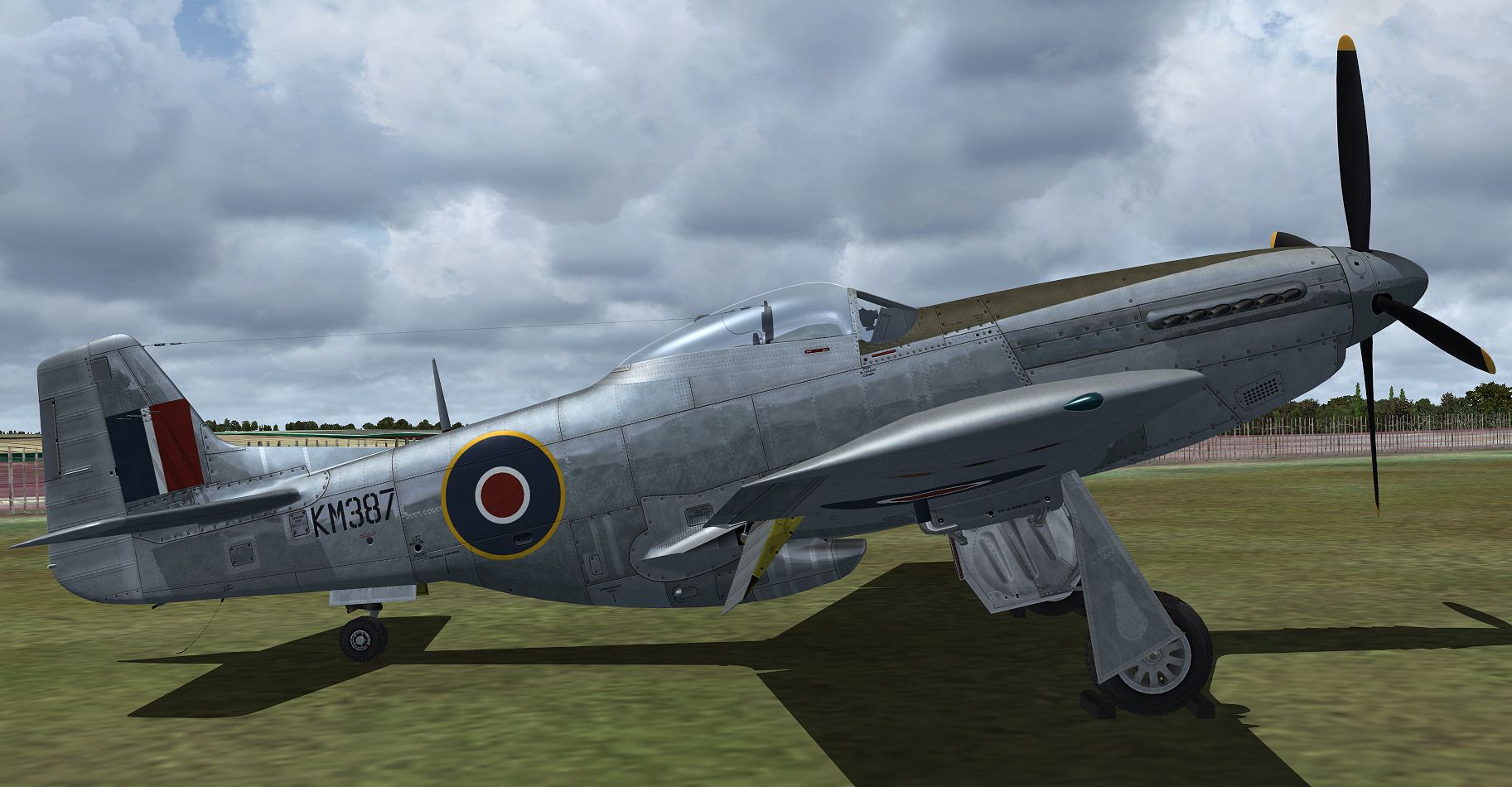
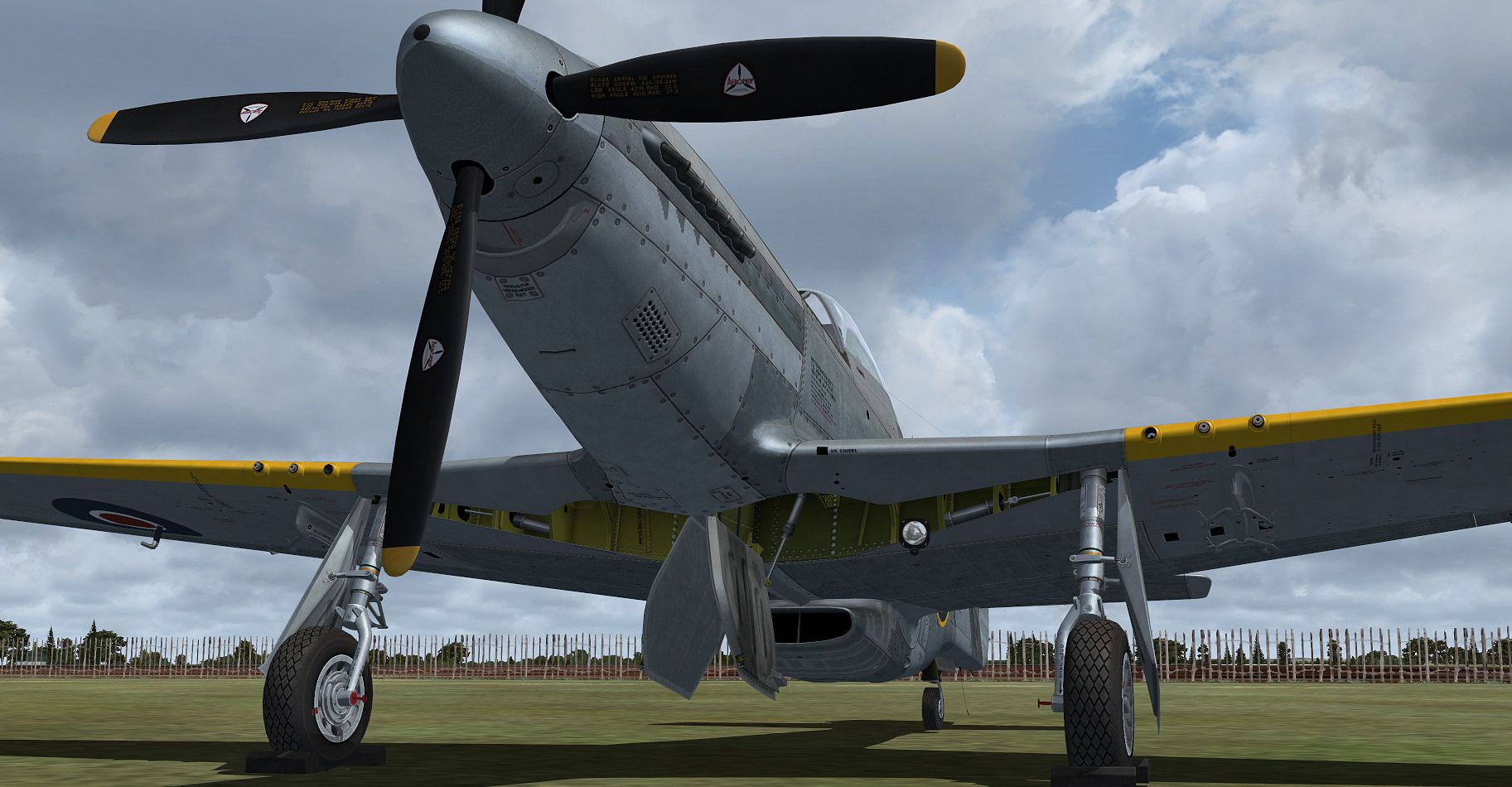
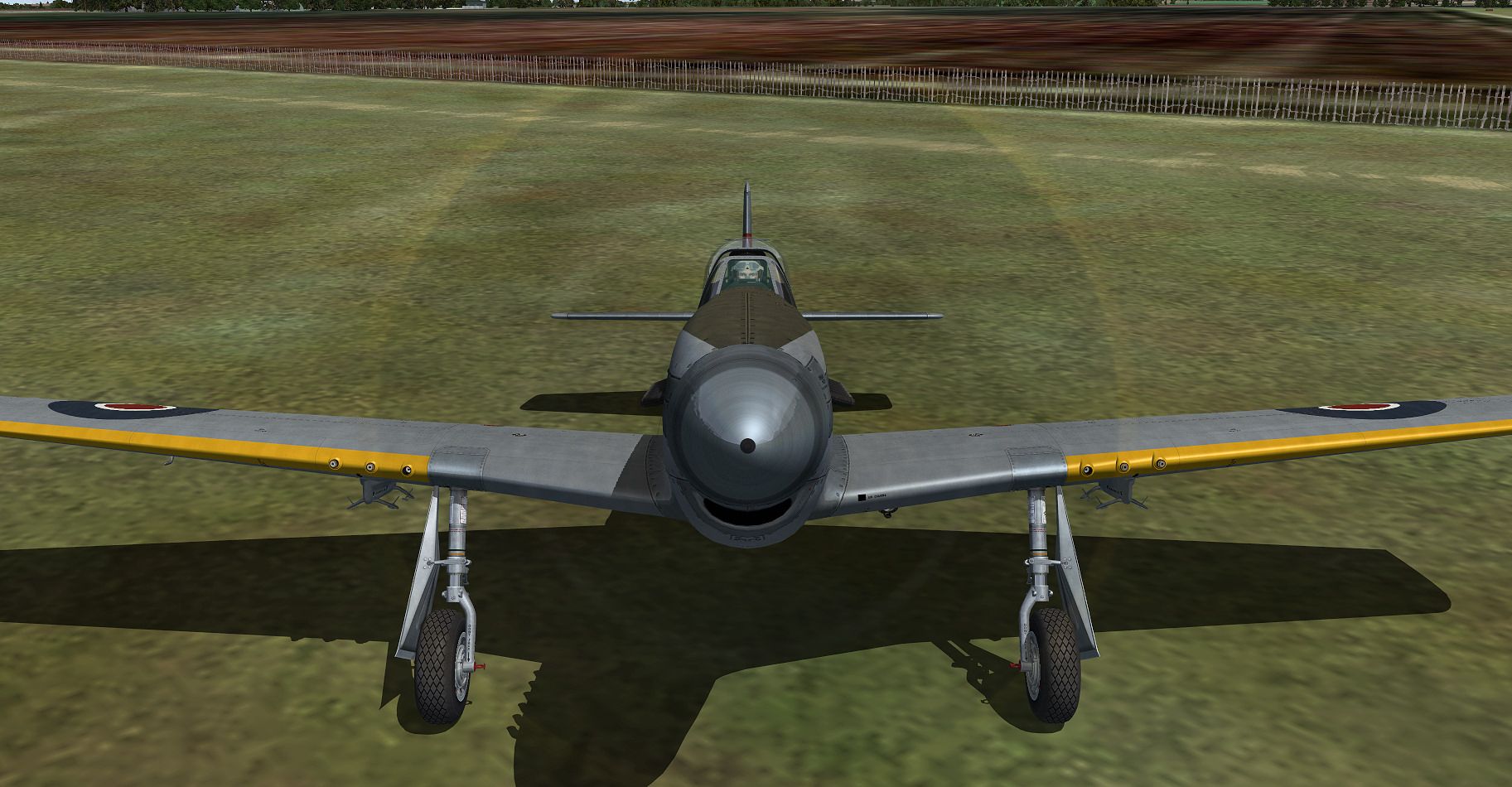
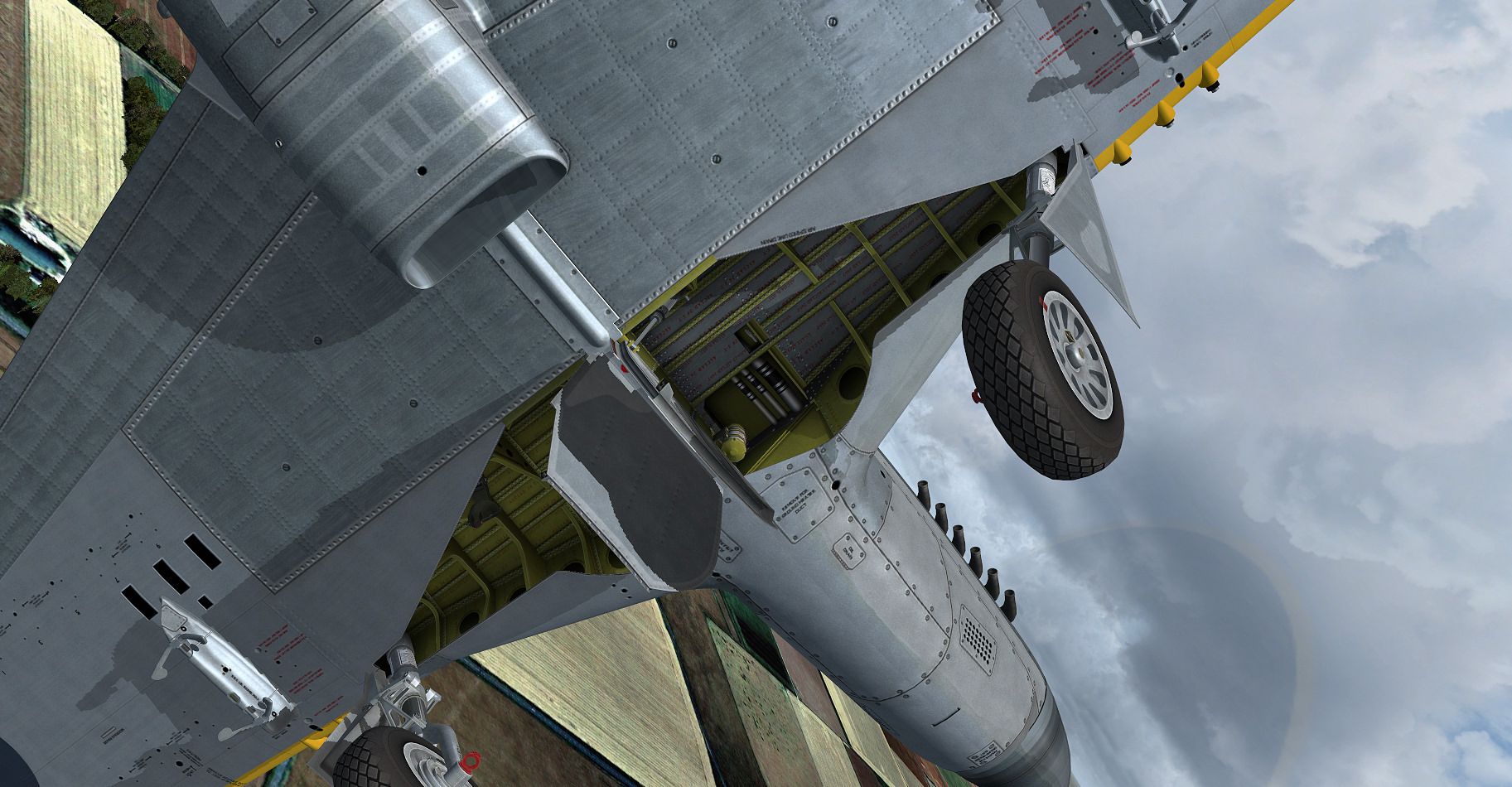
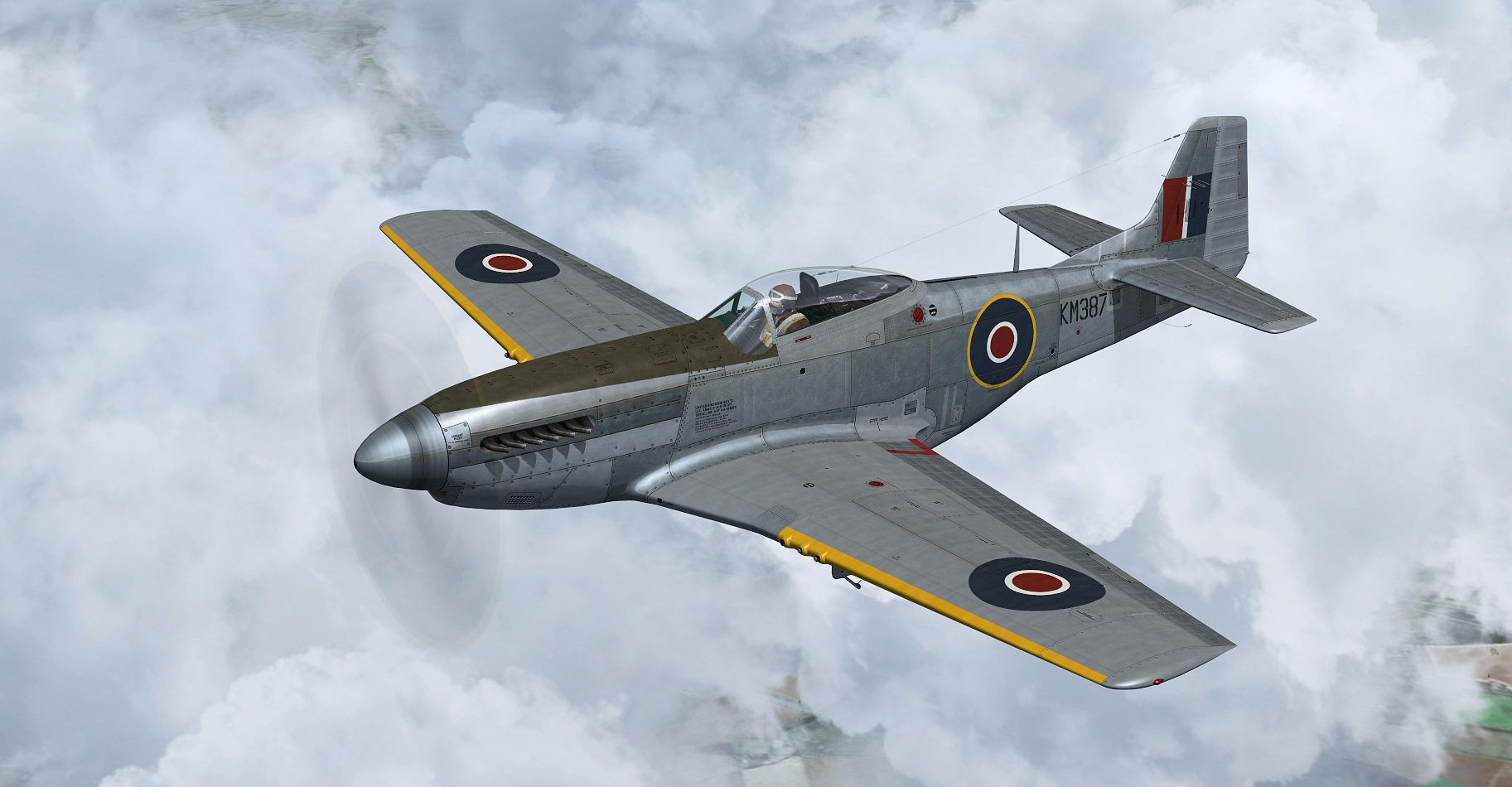
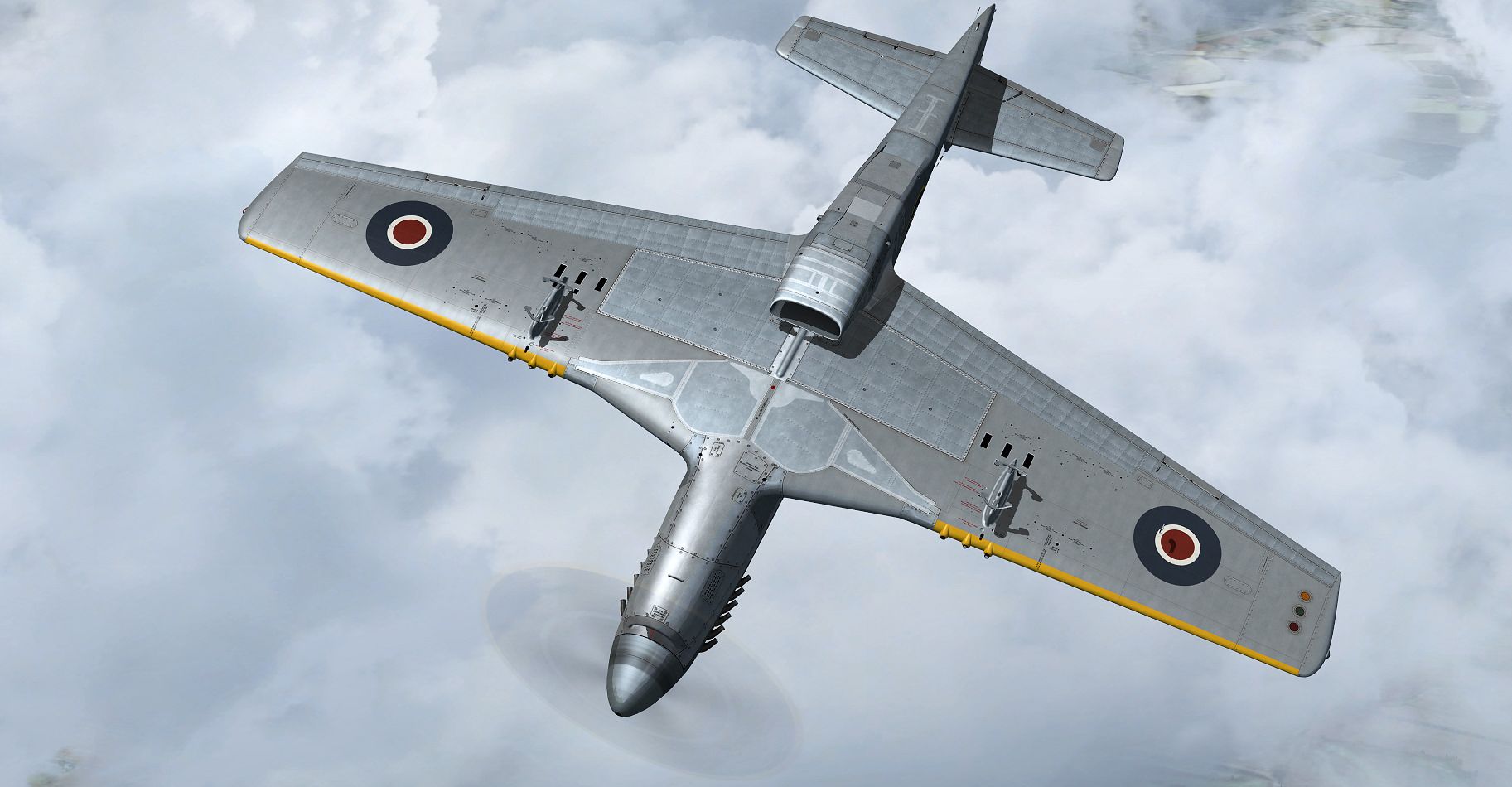
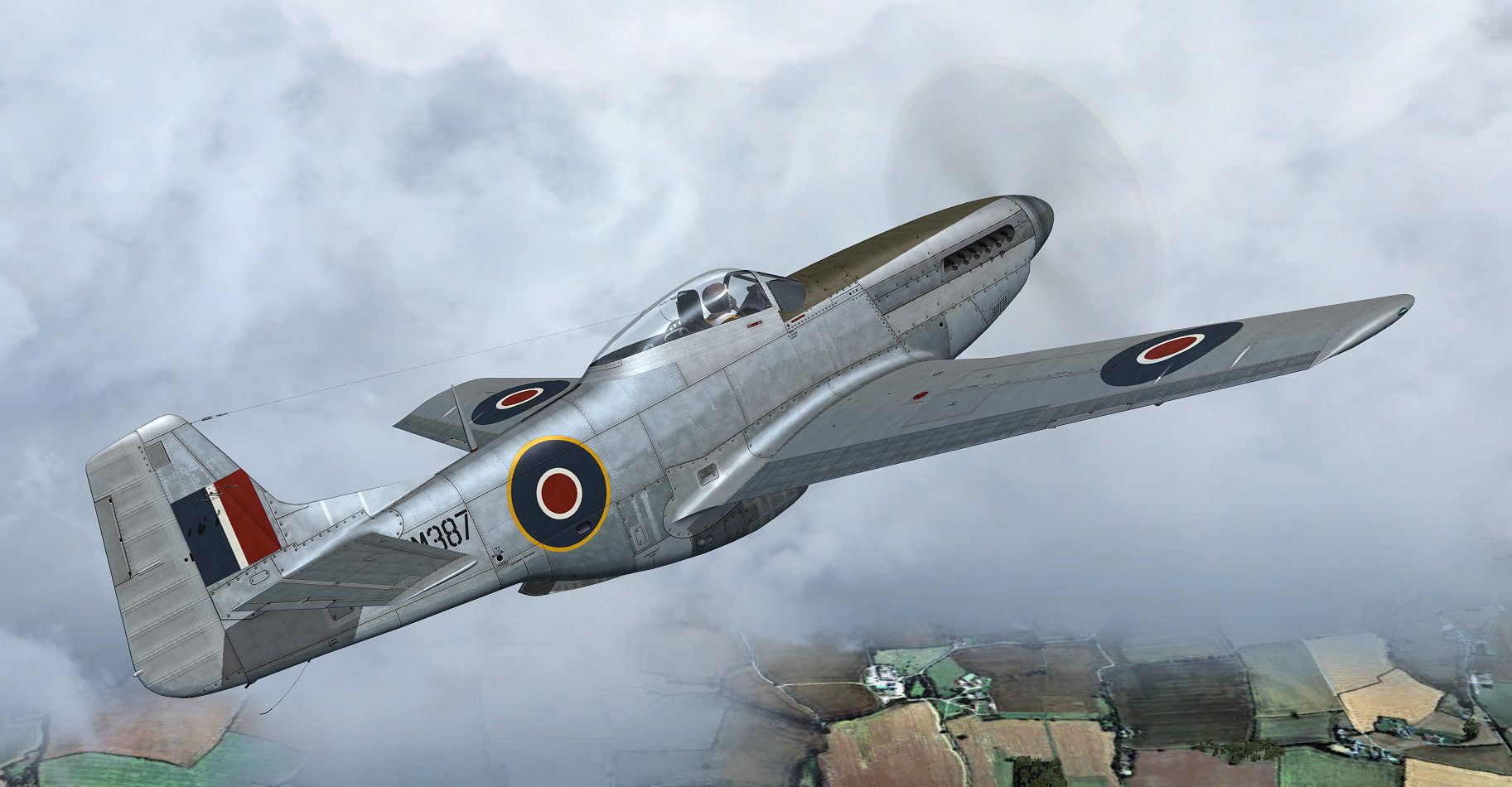
The bright marks/lines on the metal, is an authentic production detail. Wherever there were spot welds, the surface of the metal had to be absolutely clean. In order to accomplish that, fast, acid was simply brushed on where the spot welding was to occur, which etched the metal. This would show up the most, on aircraft fresh from the factory, but would tend to "fade" away over time, with wear and any polishing (which some groups did do in the field - its about pride in your aircraft, and wanting it to look and perform its best). You'll find this acid etching on most all other US manufactured aircraft during WWII as well, though it has often never been reproduced. These sorts of details have, however, become more well known in recent years, with restorations like "Happy Jack's Go Buggy". This can be seen the most, on and around the radiator intake and on the gear doors, while some of the panels the whole panel is treated. That's why the cowl panels and some others are 'brighter' and less reflective than the rest of the bare metal.
Also, speaking of finishes, at the factory the wings were always filled, sanded, primered, and painted with dull silver dope (with almost no specular quality - that tended to fade quite easily). This was done in order to maximize the "laminar airflow". The gear doors, fuel tank cover panels, and ailerons and flaps were left un-painted. The chin scoop, all of the trim tabs, and the fabric rudder were also finished in dull silver dope.
The aircraft is fitted with a late-war Dallas canopy, just as on the original example portrayed.


 ></o
></o