-
Please see the most recent updates in the "Where did the .com name go?" thread. Posts number 16 and 17.
-
IMPORTANT DOWNLOADING INFORMATION - ALL MEMBERS PLEASE READ
Please see this thread for updates. Update Thread
SOH ADMINISTRATION
You are using an out of date browser. It may not display this or other websites correctly.
You should upgrade or use an alternative browser.
You should upgrade or use an alternative browser.
"Twilight Tear, Then & Now" (WIP)
- Thread starter Bomber_12th
- Start date

Bomber_12th
SOH-CM-2025
Making use of the two-stage two-speed supercharger.

DaveQ
Charter Member
BTW, can anyone recommend a machine gun firing effect that is available for free use (with link or file name to download)?
I use Rob Barendregt's cannon effects, the FW190 version is available at Flightsim.com here. They are great but there are some issues - the trigger is the carb heat switch, and they must be removed if you want to use the aircraft with FS Recorder. Here are my settings in the [Lights] section (mine's the Me262 version but the numbers are the same whichever you use):-
[LIGHTS]
Types: 1=beacon, 2=strobe, 3=navigation, 4=cockpit
light.0 = 4, 1.00, 0.00, 1.80, fx_ws_vclight
light.1= 1, 3.7, 7.5, -1.75, Me262Cannon
light.2= 1, 3.8, -8.1, -1.7, Me262Cannon
light.3= 1, 3.7, -7.3, -1.75, Me262Cannon
light.4= 1, 3.9, 6.7, -1.8, Me262Cannon
light.5= 1, 3.9, -6.5, -1.8, Me262Cannon
light.6= 1, 3.8, 8.3, -1.7, Me262Cannon
DaveQ
Bomber_12th
SOH-CM-2025
Thank you, Dave! I didn't know that anyone had already tied such effects to any of the Warbirdsim Mustangs - I was going to try and be helpful by providing all of the location-points for the effects, but there you have them! Thank you!

Bomber_12th
SOH-CM-2025
Dougal, thank you very much for your post and question! The rudders were fabric covered, so they were always painted with dull-silver dope. Early on in P-51D production the elevators were also covered in fabric too. The wings were also never bare-metal from the factory, but also painted in dull-silver dope/paint. The reason for that, is that North American wanted to increase the efficiency of the wing as much as possible, by making the wings as smooth as possible. So the wings were filled with putty (that varied in thickness over various defined regions of the wing), sanded smooth, and then painted dull-silver to match the bare metal finish that was the standard in USAAF aircraft production at the time (interestingly, when the switch came from producing aircraft with OD paint schemes, to producing them in bare-finish, Curtiss elected to paint their P-40's silver, instead of leaving them in natural metal). The ailerons, flaps, gear doors, and wing fuel tank panels did not receive this wing treatment, and were left in natural aluminum. Because of the filled and sanded wings, there was next to no trace of rivets remaining on the wings, and even the majority of the panel lines completely disappeared. Keeping this finish on the wings intact, was so important to North American Aviation, that they actually had specific and detailed instructions as to what could be done to repair the finish, in the field, should it start to chip/come off. All of this combines into what is the authentic look that the aircract had during WWII.
Bomber_12th
SOH-CM-2025
WWII Cockpit Finalized and Confirmed for Authenticity
After discussing and showing some screenshots of the cockpit on the wartime "Twilight Tear" with some guys that know more than I do, both privately and on a forum dedicated to P-51 research, I was able to get the cockpit confirmed as being accurate to the early model P-51D-20-NA, with only a couple of minor exceptions which have now been addressed. One of these items is related to the landing gear lever. I was once under the impression that most were painted interior green and red, as most all of the authentic restorations have them finished this way, and one of the original gear lever engineering drawings has this exact paint finish specified, plus I have also seen the IG and Red gear levers in preserved un-touched examples such as at the Netherlands Military Aviation Museum and at the Crawford Aviation Museum (but these are both very early models). However, checking over all of the WWII-era and immediate post-WWII era cockpit photos I have of P-51D-20-NA variants, every last one of them clearly shows the landing gear lever painted all-black. The wonderfully preserved P-51D-30-NA at the NASM (which has remained internally un-restored and un-modified since production, with only 200 flight hrs on it), also has an all-black gear lever. As a result, and from the discussions I had, it was decided to change the gear lever on the WWII variant of 'Tear to being all-black, which seems 99.9% certain that that is how it was on the aircraft (and also how it is portrayed on the restored aircraft today). Another item brought up was the positioning of the signal light in the cockpit, but this was confirmed to be accurate as is for the production model depicted. The only other item brought up, was whether or not the Schick Johnson manufactured seat should be painted dark dull green, or left as interior green. Evidence shows that both finishes were used on these seats during WWII, and efter experimenting with a DDG finish on the seat, I decided to revert back to the IG finish for a better balance (and to also not prevent the idea that the IG seat in the restored 'Tear is not authentic - the seat could be painted either way, and be correct).
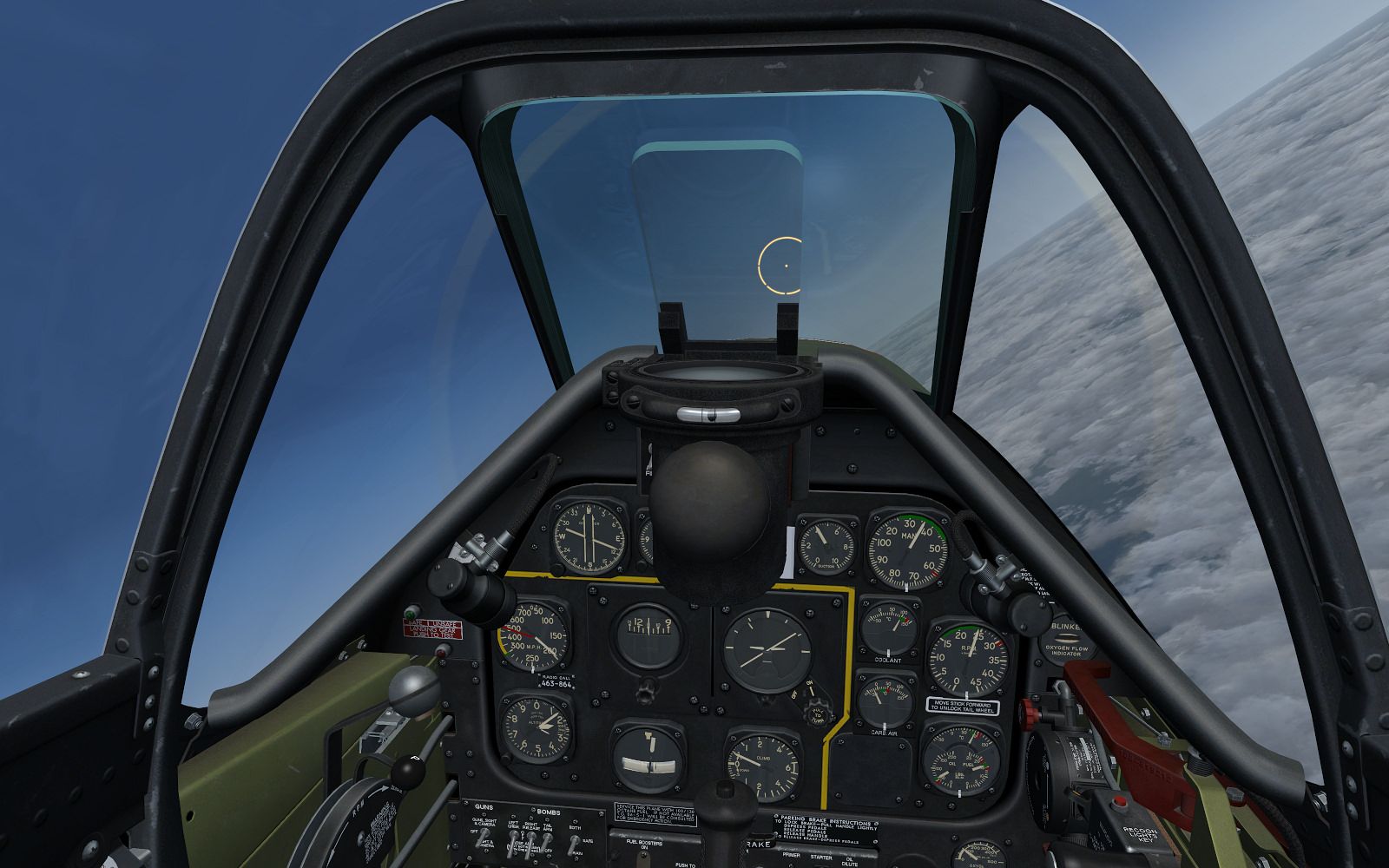
I was doing some more high-altitude flying again recently. At 36" MP (throttle has to be almost to the stop at this point) and 2400 RPM, at 35,000 FT, with high blower running, I was indicating an average of about 285-kts ground speed, or nearly 330 mph - so not bad!
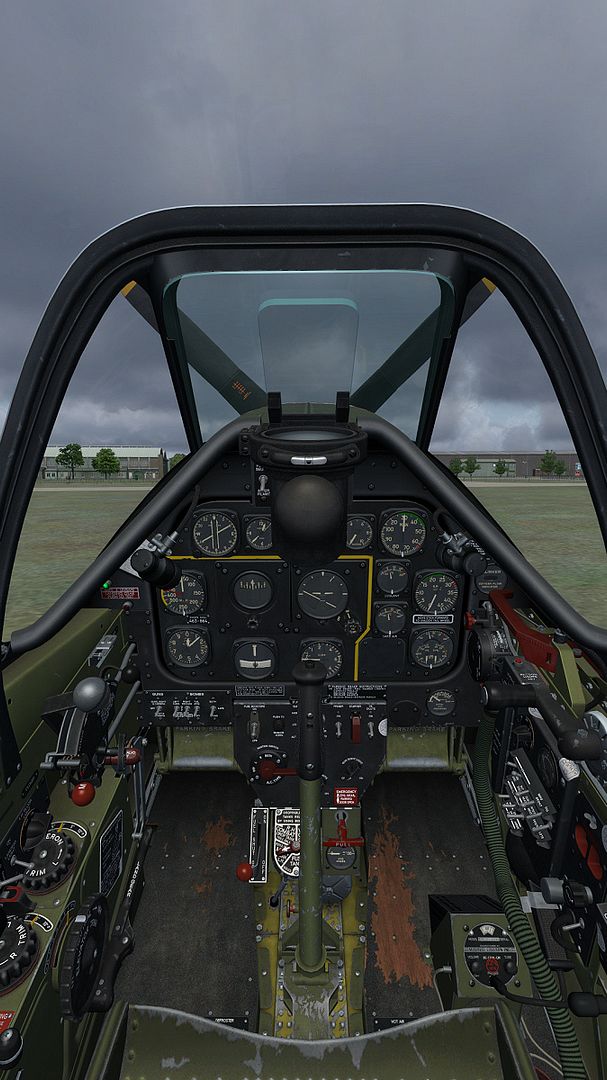
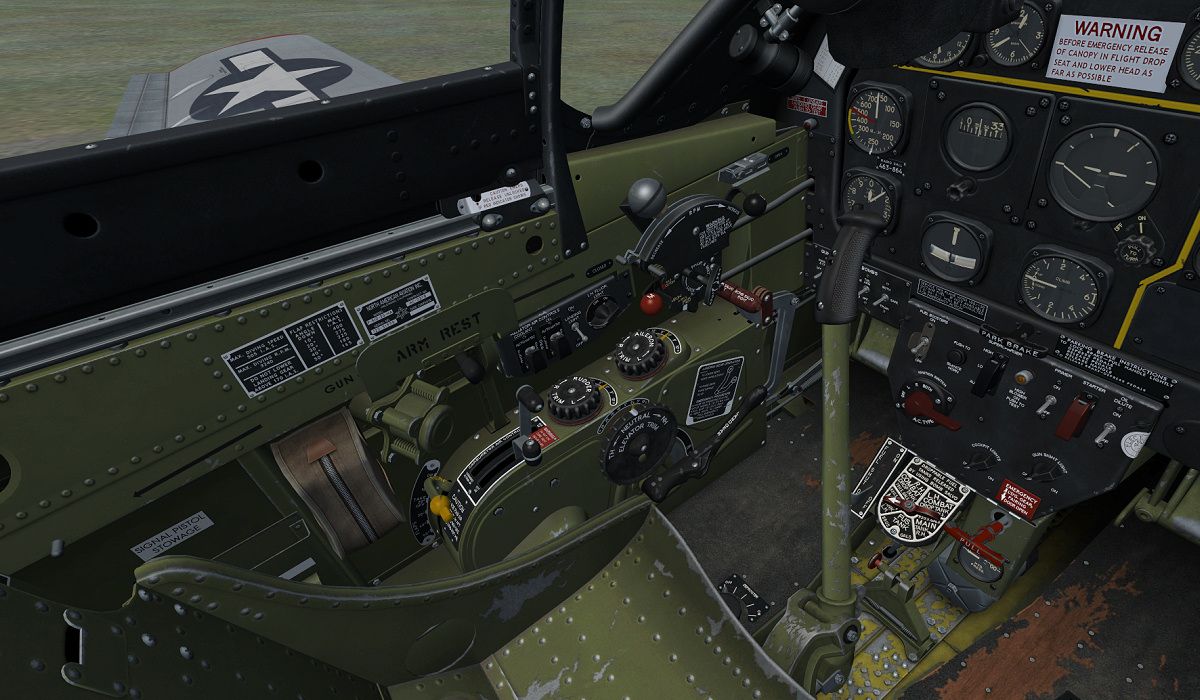
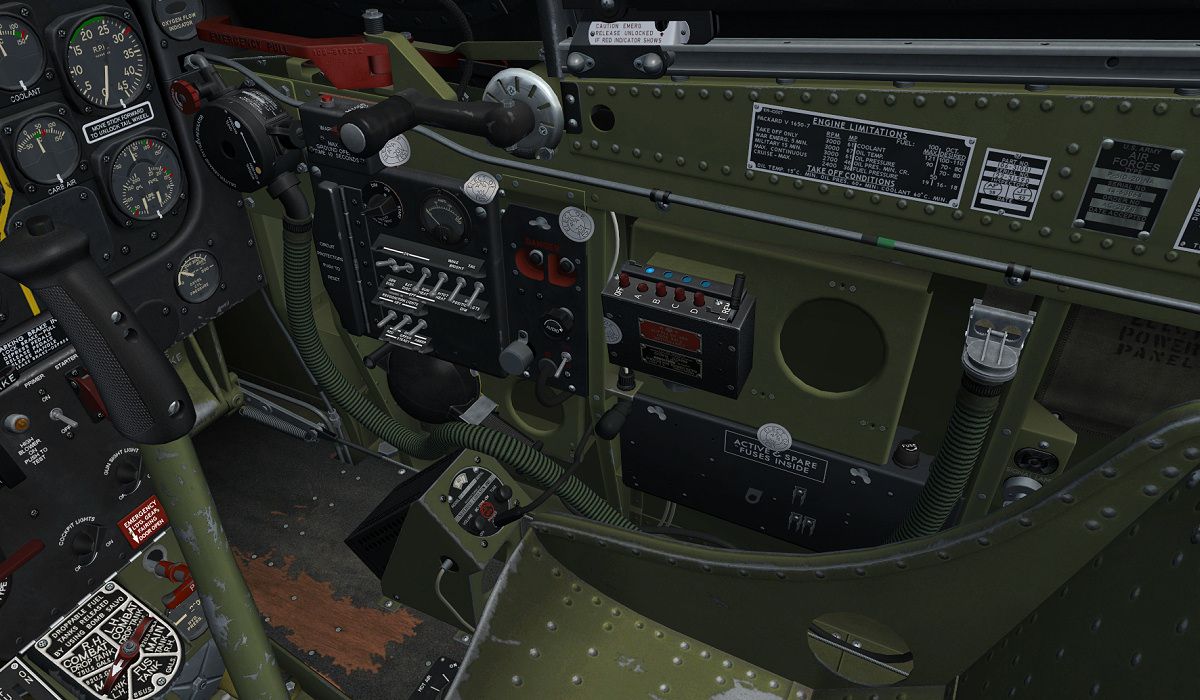
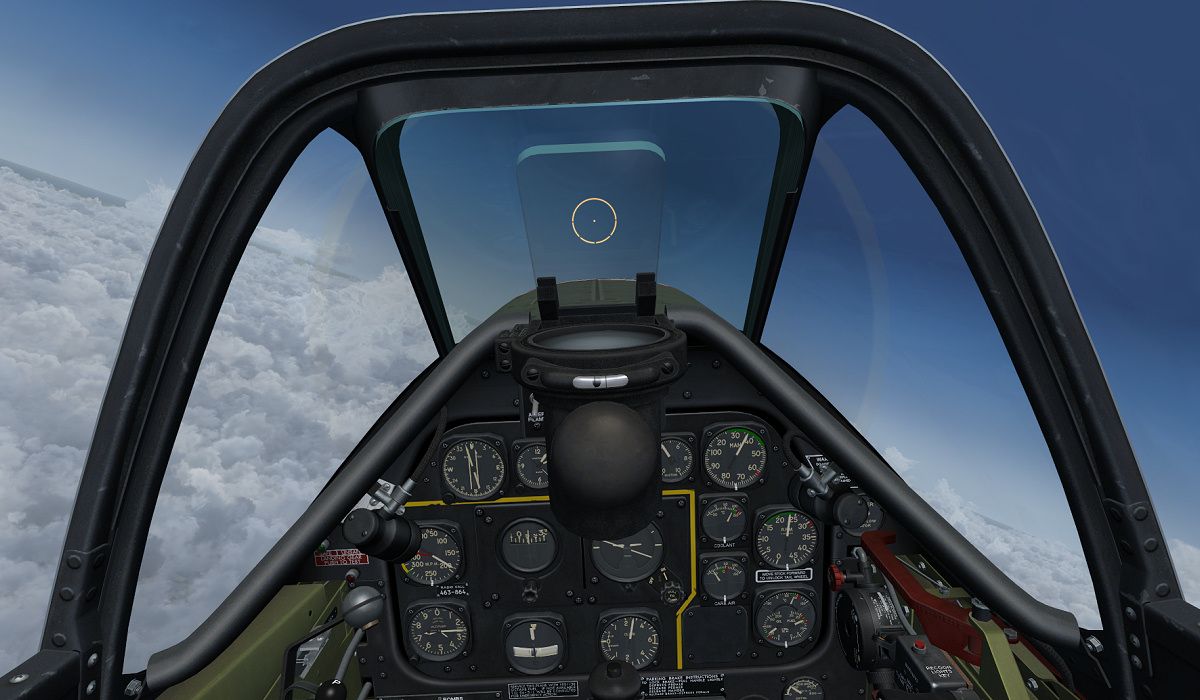
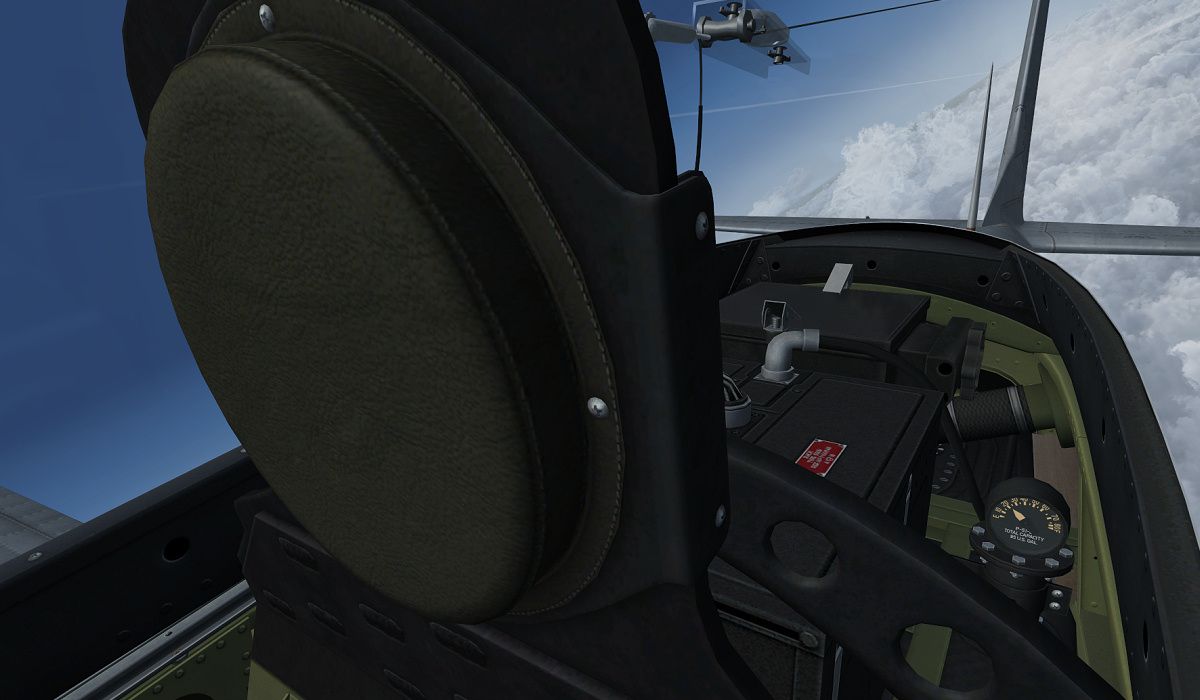
(Note above, the correct for the P-51D-20-NA canopy roller for the aerial antenna - there were a few different designs of these rollers used during P-51D production)
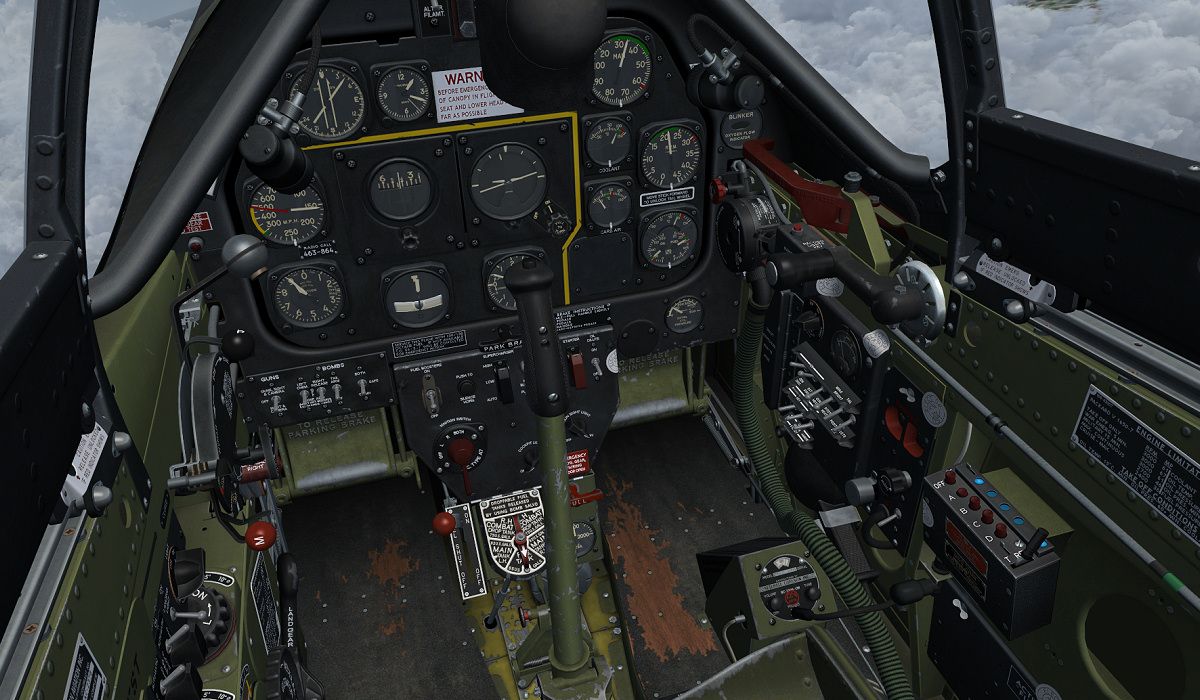
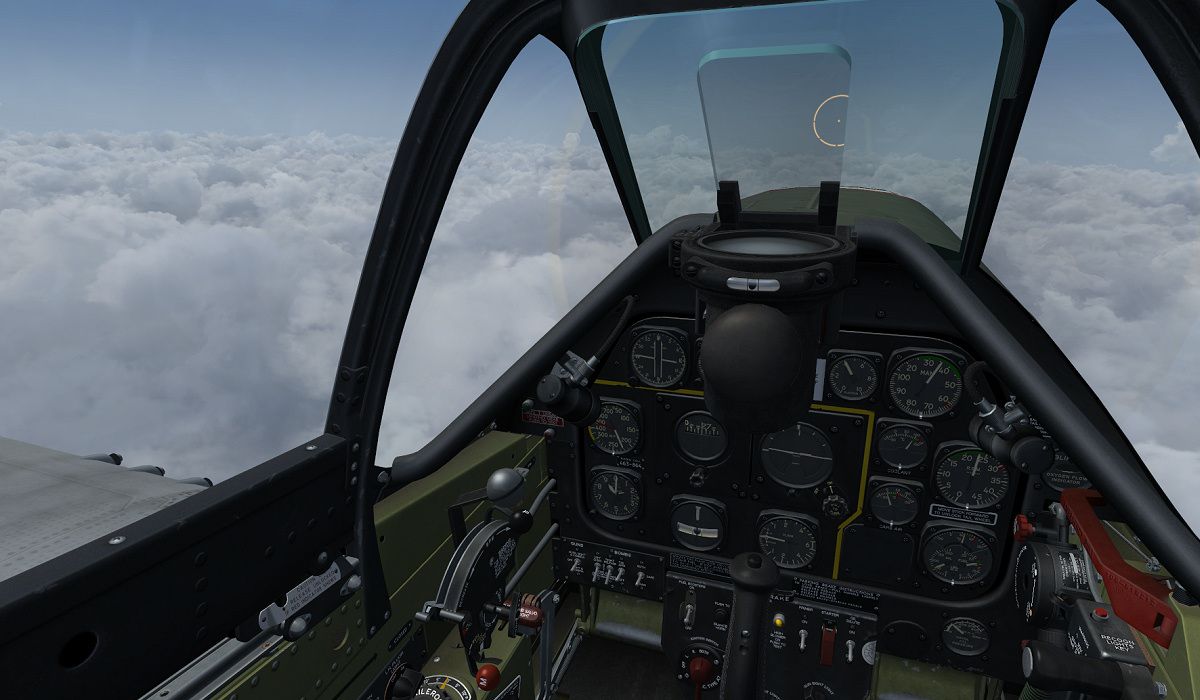
After discussing and showing some screenshots of the cockpit on the wartime "Twilight Tear" with some guys that know more than I do, both privately and on a forum dedicated to P-51 research, I was able to get the cockpit confirmed as being accurate to the early model P-51D-20-NA, with only a couple of minor exceptions which have now been addressed. One of these items is related to the landing gear lever. I was once under the impression that most were painted interior green and red, as most all of the authentic restorations have them finished this way, and one of the original gear lever engineering drawings has this exact paint finish specified, plus I have also seen the IG and Red gear levers in preserved un-touched examples such as at the Netherlands Military Aviation Museum and at the Crawford Aviation Museum (but these are both very early models). However, checking over all of the WWII-era and immediate post-WWII era cockpit photos I have of P-51D-20-NA variants, every last one of them clearly shows the landing gear lever painted all-black. The wonderfully preserved P-51D-30-NA at the NASM (which has remained internally un-restored and un-modified since production, with only 200 flight hrs on it), also has an all-black gear lever. As a result, and from the discussions I had, it was decided to change the gear lever on the WWII variant of 'Tear to being all-black, which seems 99.9% certain that that is how it was on the aircraft (and also how it is portrayed on the restored aircraft today). Another item brought up was the positioning of the signal light in the cockpit, but this was confirmed to be accurate as is for the production model depicted. The only other item brought up, was whether or not the Schick Johnson manufactured seat should be painted dark dull green, or left as interior green. Evidence shows that both finishes were used on these seats during WWII, and efter experimenting with a DDG finish on the seat, I decided to revert back to the IG finish for a better balance (and to also not prevent the idea that the IG seat in the restored 'Tear is not authentic - the seat could be painted either way, and be correct).
I was doing some more high-altitude flying again recently. At 36" MP (throttle has to be almost to the stop at this point) and 2400 RPM, at 35,000 FT, with high blower running, I was indicating an average of about 285-kts ground speed, or nearly 330 mph - so not bad!
(Note above, the correct for the P-51D-20-NA canopy roller for the aerial antenna - there were a few different designs of these rollers used during P-51D production)
Bomber_12th
SOH-CM-2025
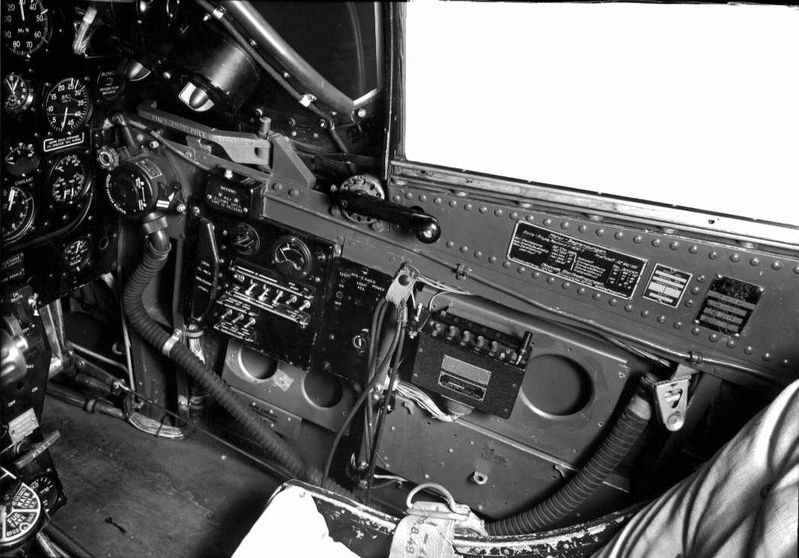
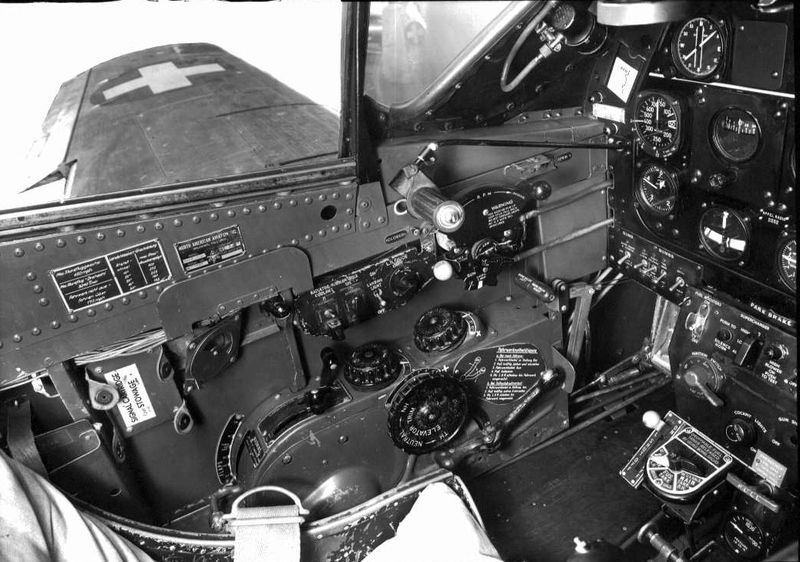
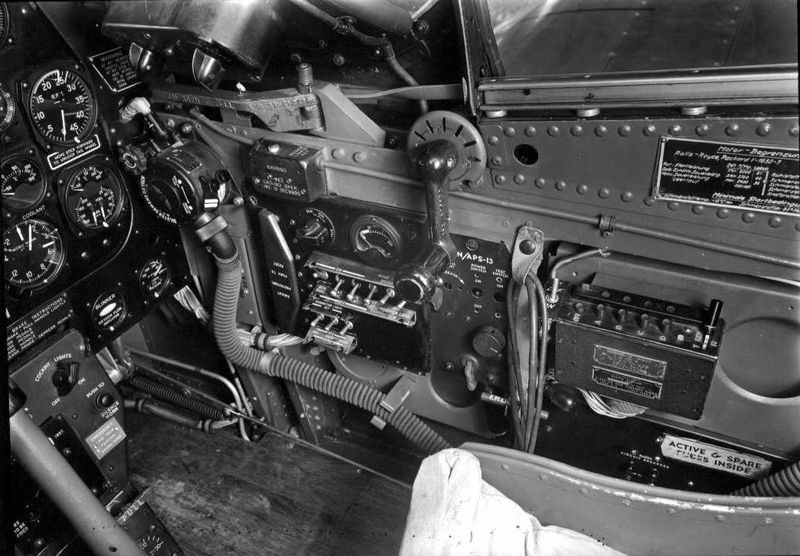
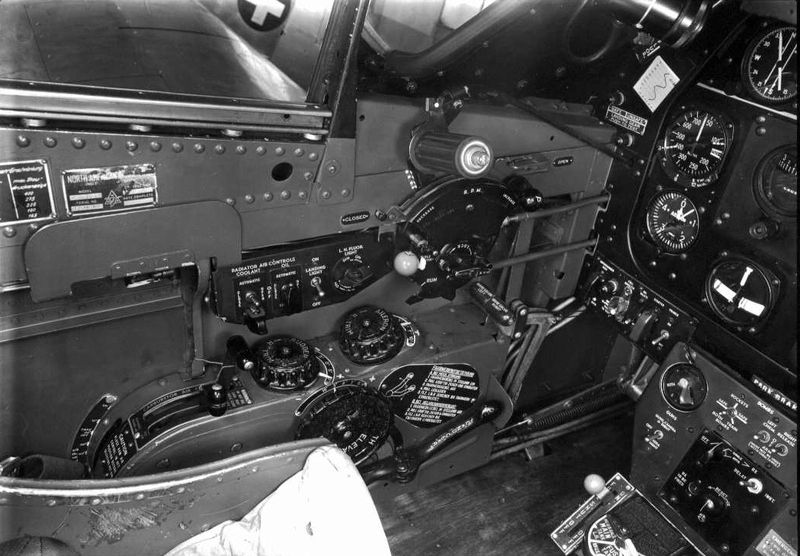
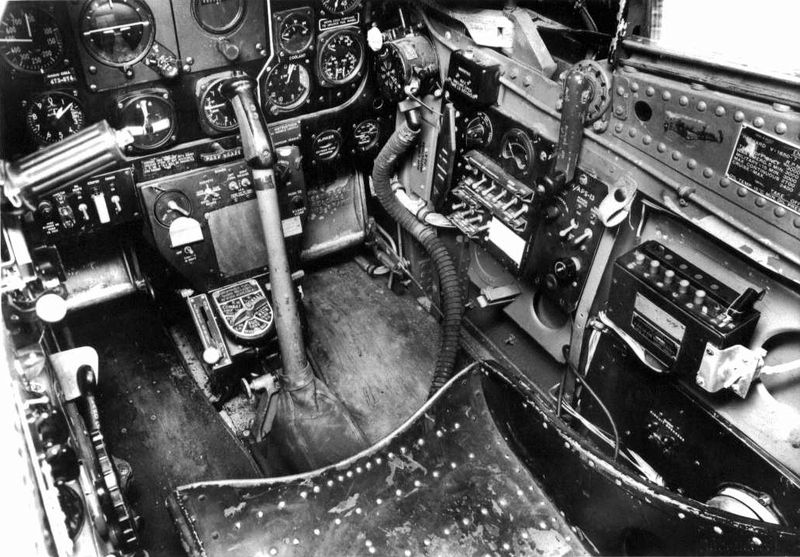
These photos are some of the most amazing insights into the look of a WWII era P-51D cockpit (all of the variants shown in these photos are P-51D-20-NA's). These photos were taken in the immediate post-war years, after the aircraft had been bought by the Swiss AF. There are only a few differences within the cockpits from that of how they were within USAAF hands, and that just includes some of the placards and the guards that were fabricated and installed by the manual drop tank levers. Although the signal light and floor-mounted receivers have been removed in these aircraft, you can still make out where they once were (including the fact that a two of those pictured, also still retain the mounting bracket for the signal light). The cockpit on the wartime "Twilight Tear" falls sort of in-between those seen in these photos, for historical-related reasons, but is closest to the one in the first two photos (though the examples in all of the photos have had K-14 gunsights and related throttles and controls installed). Note the black gear levers in all of these D-20's.
Bomber_12th
SOH-CM-2025
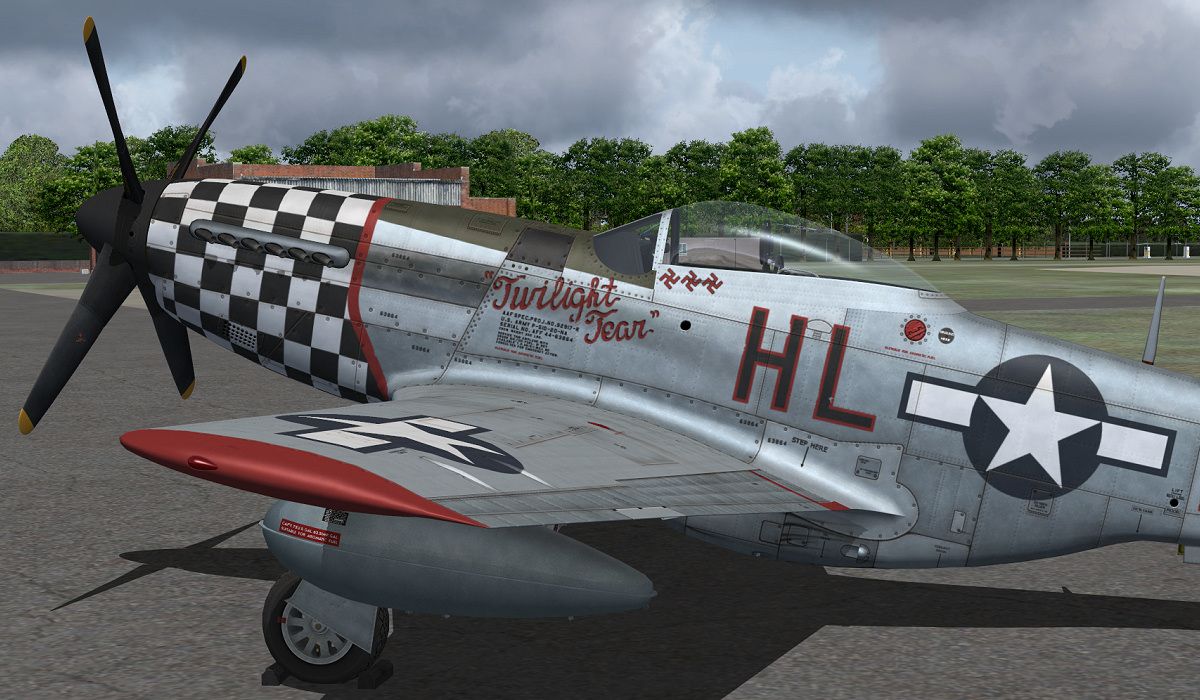
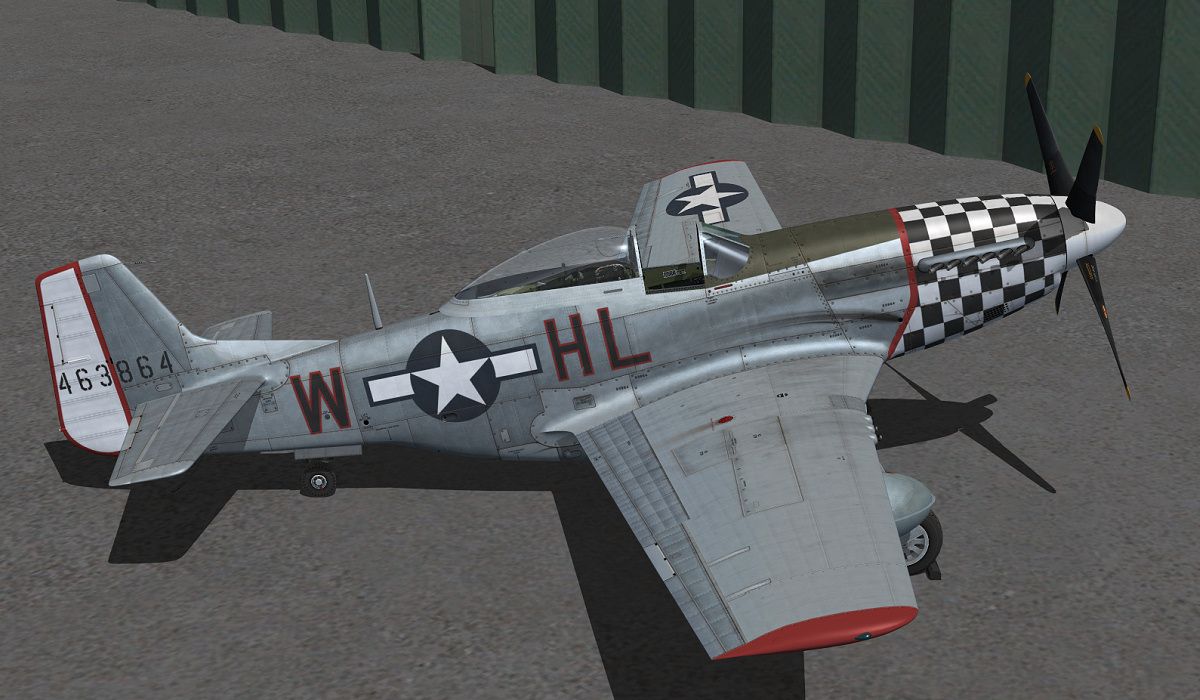
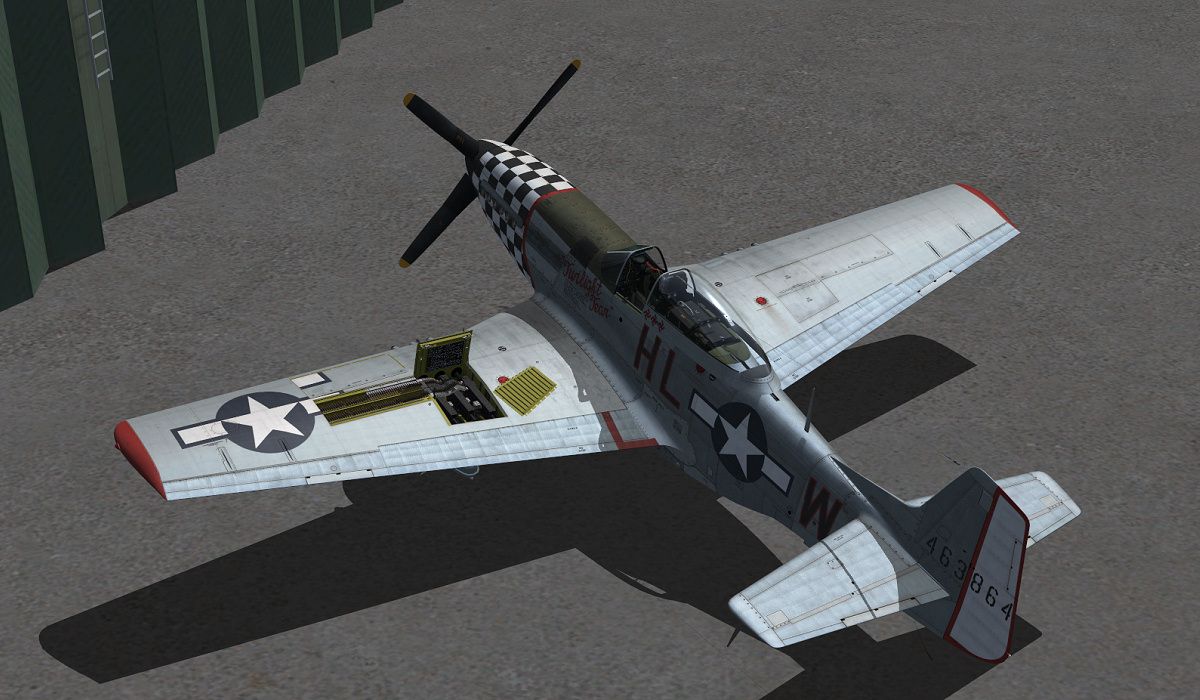
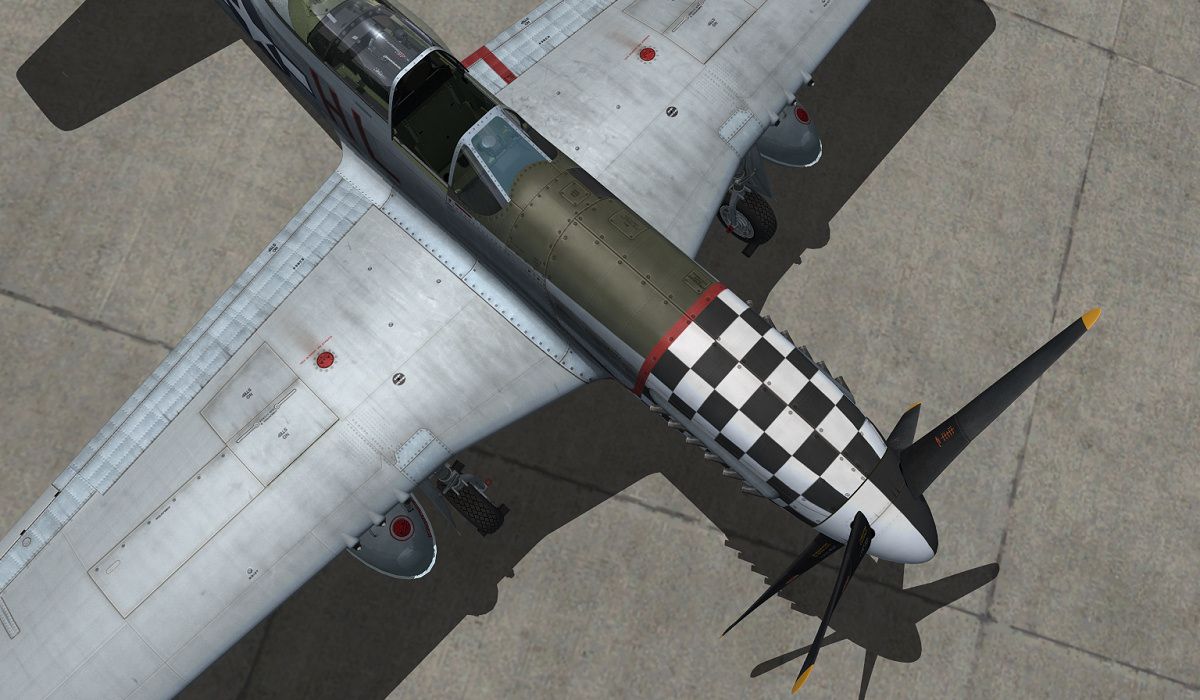
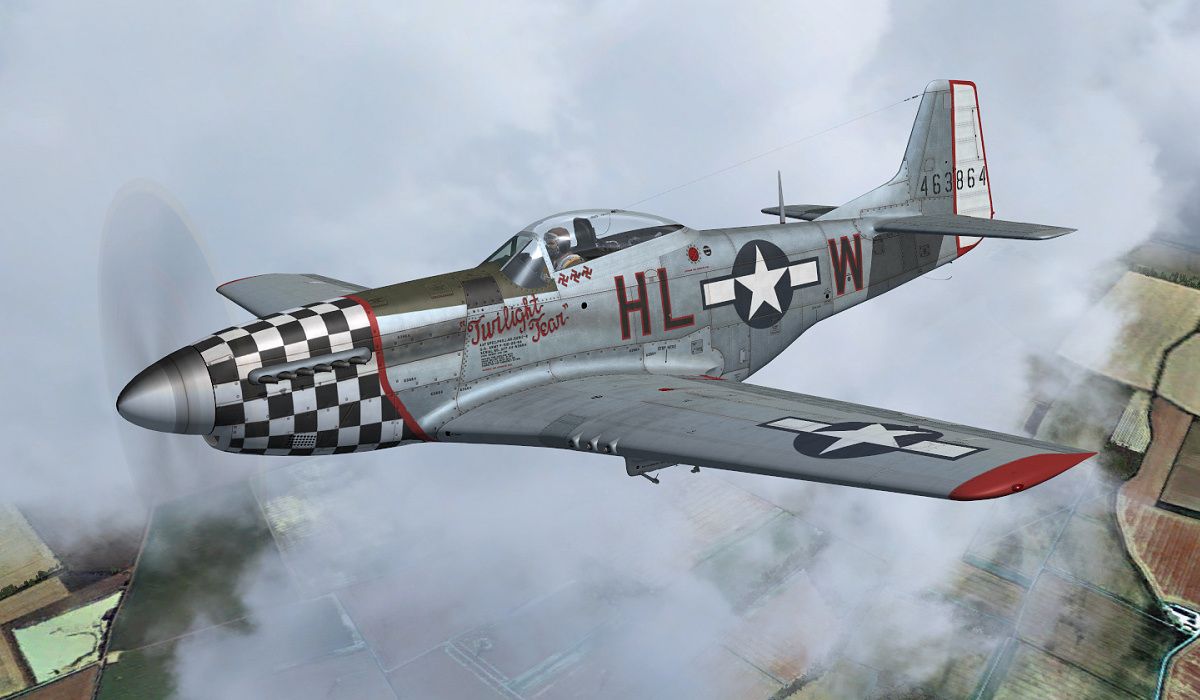
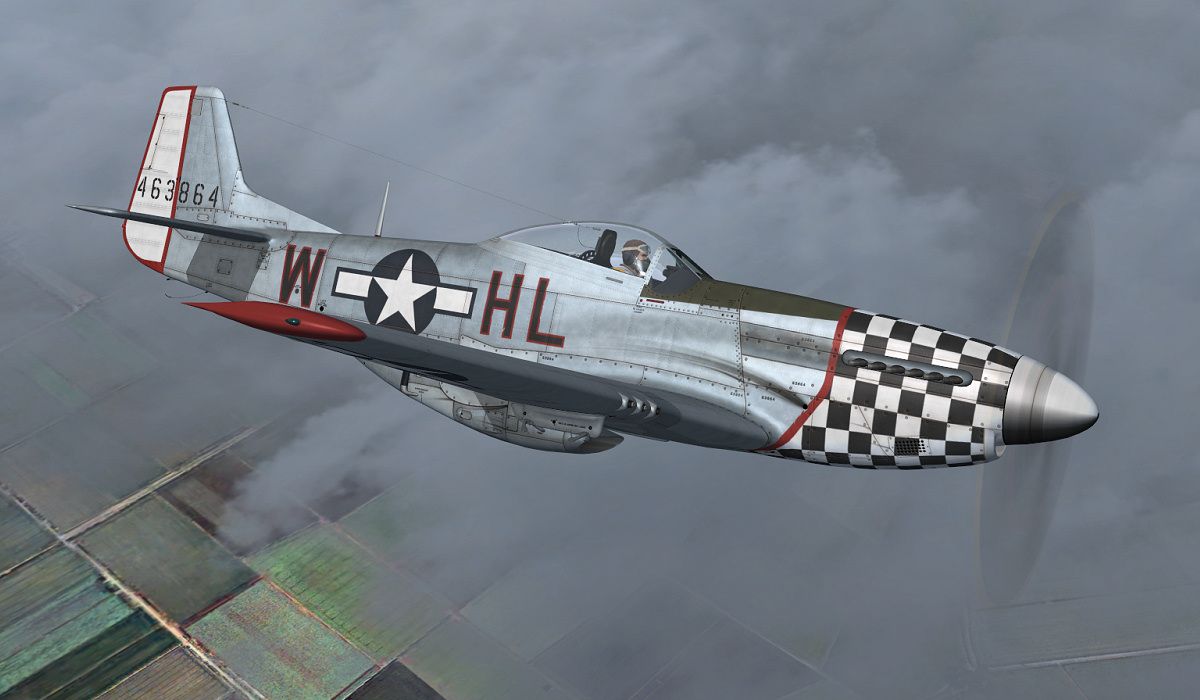
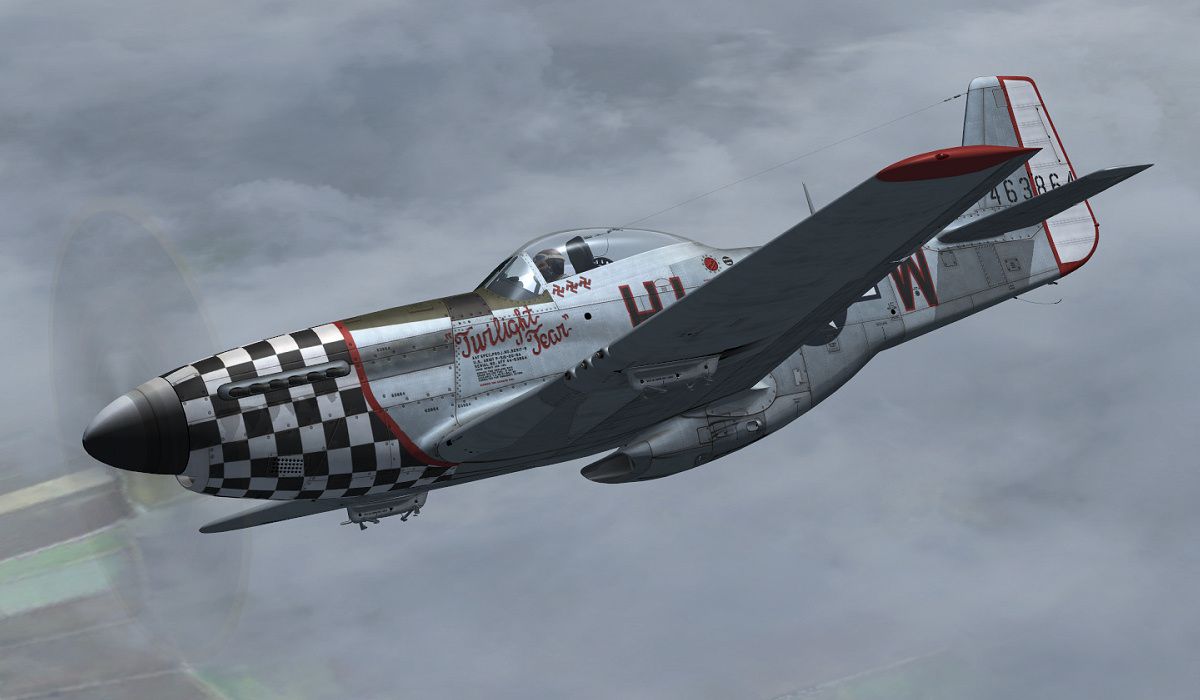
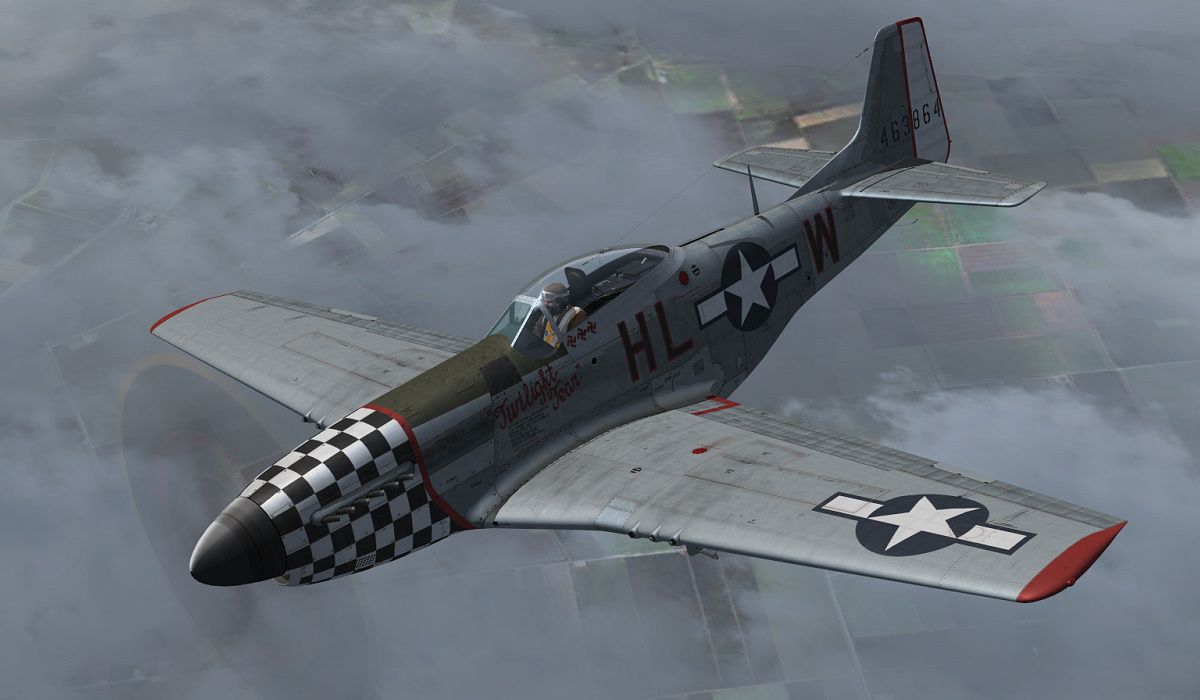
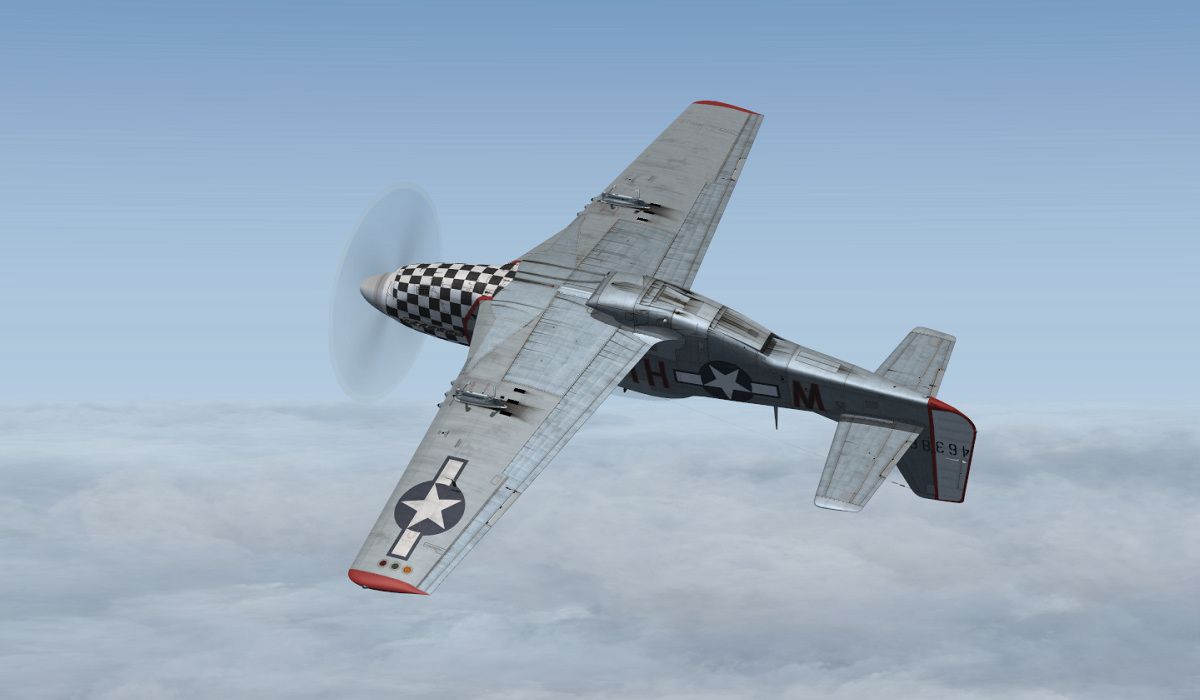
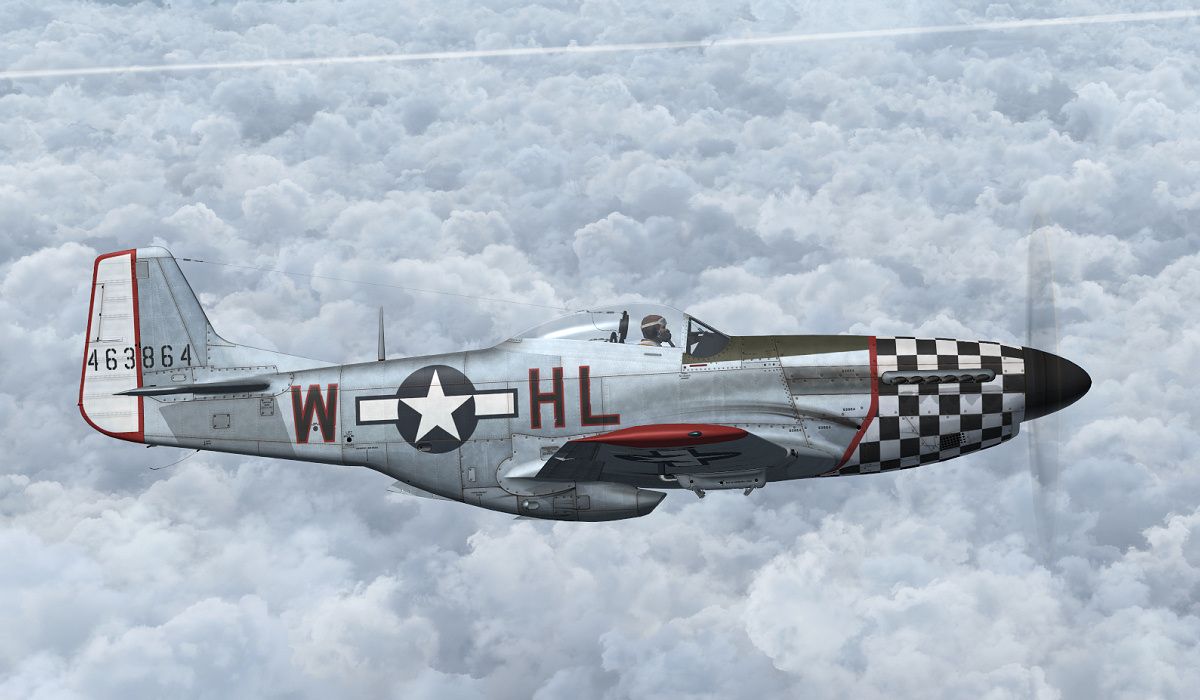
As a result of the beta testing, I got some good feedback about the metal finish. It was felt that I had it too shiny or too reflective, so I went back and revised the alpha channels and spec maps to try and come to a more correct look that those testing the aircraft would feel is closer to how the aircraft looks in the period photographs.
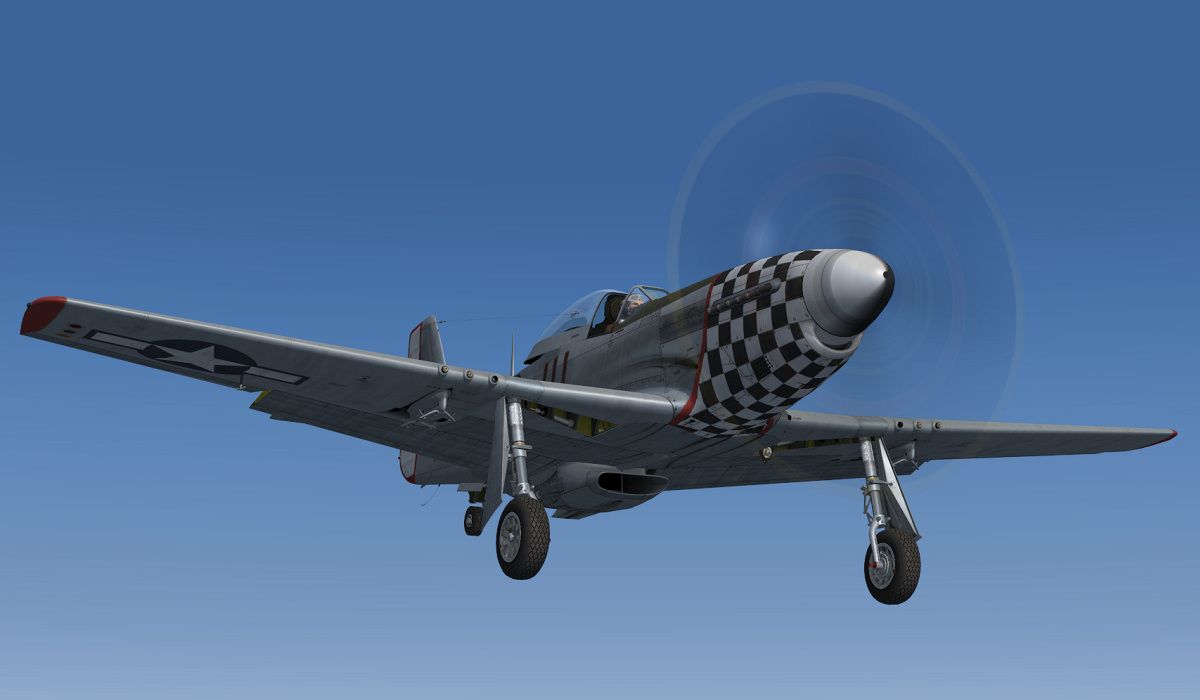

fsxar177
Long-Time Enthusiast
Good-day,
Lovely comparison photos John! It's just fantasitc that we can literally put ourselves in a functioning cockpit of a war-time mustang, and fly it!
To think, these young chaps getting the throne of this wild pony, with comparably little hours in respect to today's standards. Must have been some experience.
Thank-you for preserving the feeling John!
Joseph
Lovely comparison photos John! It's just fantasitc that we can literally put ourselves in a functioning cockpit of a war-time mustang, and fly it!
To think, these young chaps getting the throne of this wild pony, with comparably little hours in respect to today's standards. Must have been some experience.
Thank-you for preserving the feeling John!
Joseph
Bomber_12th
SOH-CM-2025
Besides the drop tank lever guard panels that the Swiss AF added into their Mustangs, another item I like is the landing gear handle placards that they designed for their use, which actually replaces one of the cover panels altogether, on side of the trim column. They also replaced all of the limit/restrictions placards with their own, but kept all of the placards relating to the serial number/production model. In another set of photos from the cockpit of another Swiss AF/former USAAF P-51D, they actually added metal stirrups to the rudder pedals. The Swiss AF also didn't use drop tanks, so the drop tank selections on the fuel selector placards have been blacked out.
Speaking of the landing gear lever placard, I would love to know how many out there have noticed that it is secured via staples in the Warbirdsim Mustangs? Despite the fact that the placards were produced even with the cross-hairs for placements of rivets to secure the placard (like the others), they seemed to have almost always been secured instead through use of brass staples. - Just a unique little detail (like the safety-wired lock-nuts that can also be found accurately used in specific areas of the cockpits of the Warbirdsim D-models).
The main thing I want to do with a wartime example like 'Tear, is show them exactly as they were, during WWII, which has never been done before for a flight simulator platform. Most efforts always try and depict examples that were manufactured too late and didn't serve in WWII, or end up mixing things together, from one variant or another, or adding something that they've seen in a photo from a restored example, which was never there except for on that one restored aircraft, etc. I also want to illustrate why it is a certain way that it is - how the cockpits are configured for one purpose or another. I enjoy these types of projects where you can also see how the cockpit on one of these aircraft looked, almost "straight out of the box", or in-service early on, and what changes were made, and how they were done, in the field, to upgrade them to more advanced standards later in the war. It also helps to show just how authentic warbird restorations are getting these days, and providing that option to not only re-live what it was like to fly the aircraft during a specific time in WWII, but what it would be like to jump in the aircraft that actually exists today, in its real-life form.
Speaking of the landing gear lever placard, I would love to know how many out there have noticed that it is secured via staples in the Warbirdsim Mustangs? Despite the fact that the placards were produced even with the cross-hairs for placements of rivets to secure the placard (like the others), they seemed to have almost always been secured instead through use of brass staples. - Just a unique little detail (like the safety-wired lock-nuts that can also be found accurately used in specific areas of the cockpits of the Warbirdsim D-models).
The main thing I want to do with a wartime example like 'Tear, is show them exactly as they were, during WWII, which has never been done before for a flight simulator platform. Most efforts always try and depict examples that were manufactured too late and didn't serve in WWII, or end up mixing things together, from one variant or another, or adding something that they've seen in a photo from a restored example, which was never there except for on that one restored aircraft, etc. I also want to illustrate why it is a certain way that it is - how the cockpits are configured for one purpose or another. I enjoy these types of projects where you can also see how the cockpit on one of these aircraft looked, almost "straight out of the box", or in-service early on, and what changes were made, and how they were done, in the field, to upgrade them to more advanced standards later in the war. It also helps to show just how authentic warbird restorations are getting these days, and providing that option to not only re-live what it was like to fly the aircraft during a specific time in WWII, but what it would be like to jump in the aircraft that actually exists today, in its real-life form.
Bomber_12th
SOH-CM-2025
Martin, I'll definitely make sure to do that! They won't be able to be included in the product, but I will make them available for download.

Smashing Time
Charter Member 2014
I shot the 'Tear' with Ed Shipley at the controls before her redo at GML 2007. Ed Shipley and Jim Beasley put on a nice performance in the early stages of the Horsemen act.
Bomber_12th
SOH-CM-2025
Thank you for posting that, Rick! I still make a point now and then to pop-in your DVD from the GML event. It's too bad that Jim is no longer part of the Horsemen routine, having dropped out after 2010.
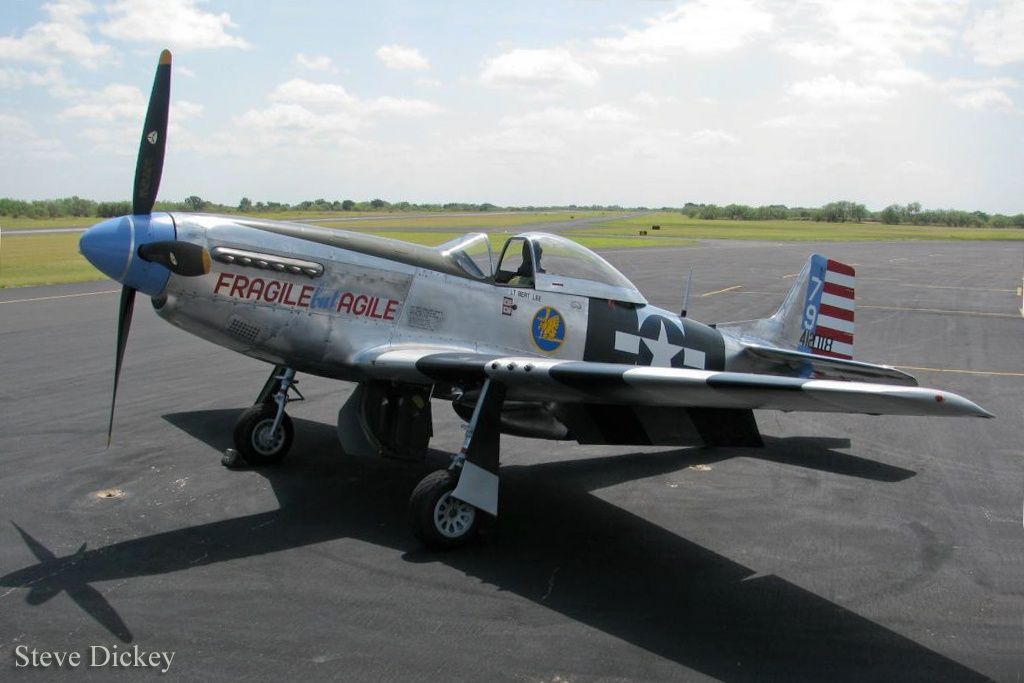
That 'Tear' is of course the airframe which has now been properly identified as "Fragile But Agile" and registered and painted as such. When the aircraft was owned by The Fighter Collection and painted as "Twilight Tear", there weren't any photos known to exist of the left-side of the aircraft, or any real clear views of the nose either, so the checker board markings, nose art, and kill markings on the canopy were all produced from best guesses and a little imagination, based on photos of other aircraft in the squadron. By the time of the paint application, around this time last year, when the restoration work on the airframe that was proven to be the actual "Twilight Tear" was completed, that terrific photo showing the left side of the aircraft, as I posted on the first page of this thread, had been found, and a real effort was made to copy the markings exactly. That's why there are some distinct differences in the way the markings look on one compared to the other.
That 'Tear' is of course the airframe which has now been properly identified as "Fragile But Agile" and registered and painted as such. When the aircraft was owned by The Fighter Collection and painted as "Twilight Tear", there weren't any photos known to exist of the left-side of the aircraft, or any real clear views of the nose either, so the checker board markings, nose art, and kill markings on the canopy were all produced from best guesses and a little imagination, based on photos of other aircraft in the squadron. By the time of the paint application, around this time last year, when the restoration work on the airframe that was proven to be the actual "Twilight Tear" was completed, that terrific photo showing the left side of the aircraft, as I posted on the first page of this thread, had been found, and a real effort was made to copy the markings exactly. That's why there are some distinct differences in the way the markings look on one compared to the other.
Smashing Time
Charter Member 2014
Well I as always I'm behind the times. So the The Fighter Collection's 'Tear' is now "Fragile But Agile" ?
What was the present 'Tear' flying as?
What was the present 'Tear' flying as?
Bomber_12th
SOH-CM-2025
It's a bit of a long story. Both airframes came out of the Israeli AF, of which all of the IAF Mustangs had their identies swapped and paperwork mixed while in the Israeli AF, all essentially in an effort to erase the previous traceable histories of the aircraft. There was no identity with the airframe that TFC owned, other than a Swedish data plate mounted on the tail, which the serial number, through paper work, tied it to being 44-63864. When this was established, the belief was therefore that the aircraft was the actual wartime "Twilight Tear". A strange oddity was found, however, when the aircraft was stripped of paint to be painted in the markings of 'Tear'. The name Lt. Bert Lee was found scribed into the original metal, just below the canopy of the aircraft, on the left side, and near to it were two Japanese flag "kill-markings" also scribed into the metal. This was cause for some question and curiosity, but the plans went forth and the aircraft was promoted as the original "Twilight Tear", as that was the best they knew about it. However, some real questions began to be asked shortly there after, as the wreckage of a former IAF Mustang, that had crashed en-route to the U.S. in 1963, had been recovered and was under restoration. The identity on this one, through a good number of sources of evidence found in the aircraft wreckage, was 44-63864, and this simply couldn't be argued. By 2007, even before the TFC machine came to the U.S. for the GML event, there was an effort to find out who Lt. Bert Lee was, and find out the true identity of the airframe. Lt. Bert Lee was tracked down, and although he had passed away, his family was contacted. A photo of the Mustang that Bert Lee flew in the Pacific, clearly showed the exact same name and kill markings scribed into the metal, just as could be seen, clear as day, on the TFC Mustang. It was also found, that while the aircraft was used by another pilot, later on, the aircraft was given the name "Fragile But Agile". In 2007, when the aircraft came over for the GML event, it went to Fighter Rebuilders immediately after, for a full restoration. At the time, it was said that it was being restored for The Fighter Collection, but as it was sold soon after the restoration was initiated, I think the plan all along was to provide the best opportunity to correct the identity of the aircraft, which couldn't come at a better time than during the process of rebuilding it. Both parties ended up having to prove the identities for each airframe, to both be registered under the FAA, with the now known true 44-63864 being registered as such, and the former TFC machine provided the serial number 44-12016, believed to be correct to it. By late 2010, the restoration of the former TFC machine was complete in its new identity, believed to be its original, as "Fragile But Agile" (a combination of the markings that were on it when Bert Lee flew it, as well as a later pilot), a P-51K, so it is also configured now as a P-51K, with the proper prop blades and nose cone (the only one of its kind). It is based in Texas, as part of the large flying warbird collection owned by Tom and Dan Friedkin. 44-63864, the actual original "Twilight Tear", owned by Ron Fagen here in Minnesota, completed restoration early last year, and that is the one I have depicted for this product.
As I've mentioned before, there is an interesting detail that supports all of this even further, that hasn't ever been talked about. The original "Fragile But Agile" was a P-51K-10-NT, which is quite an early variant, and had fabric elevators. The former TFC Mustang, now restored as "Fragile But Agile", as it is believed to have originally been, had farbric elevators all the up until its recent restoration. The original "Twilight Tear" was a P-51D-20-NA, that had metal elevators, and that was what the wrecked example from Iceland, proven to be the original "TT", had.
As I've mentioned before, there is an interesting detail that supports all of this even further, that hasn't ever been talked about. The original "Fragile But Agile" was a P-51K-10-NT, which is quite an early variant, and had fabric elevators. The former TFC Mustang, now restored as "Fragile But Agile", as it is believed to have originally been, had farbric elevators all the up until its recent restoration. The original "Twilight Tear" was a P-51D-20-NA, that had metal elevators, and that was what the wrecked example from Iceland, proven to be the original "TT", had.
Bomber_12th
SOH-CM-2025
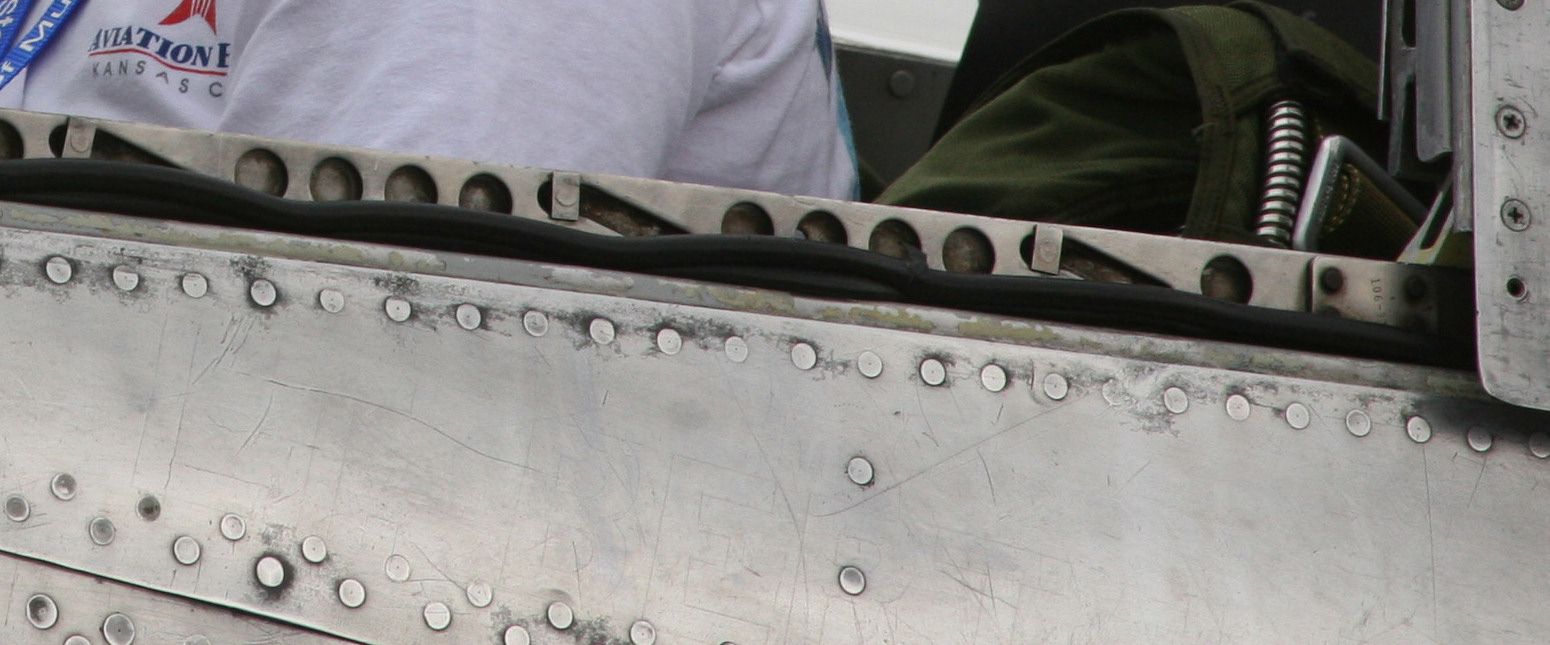
This, a section of a larger photo, shows the scribed name of Lt. Bert Lee in the original wartime metal on the former TFC "Tear", photographed while it was at GML2007. As mentioned in my previous post, there was already research being done on Bert Lee and the true identity of the aircraft, even then (though it was kept quiet). I had also seen another image that showed the two Japanese flags also scribed in the metal, but I have since lost it.
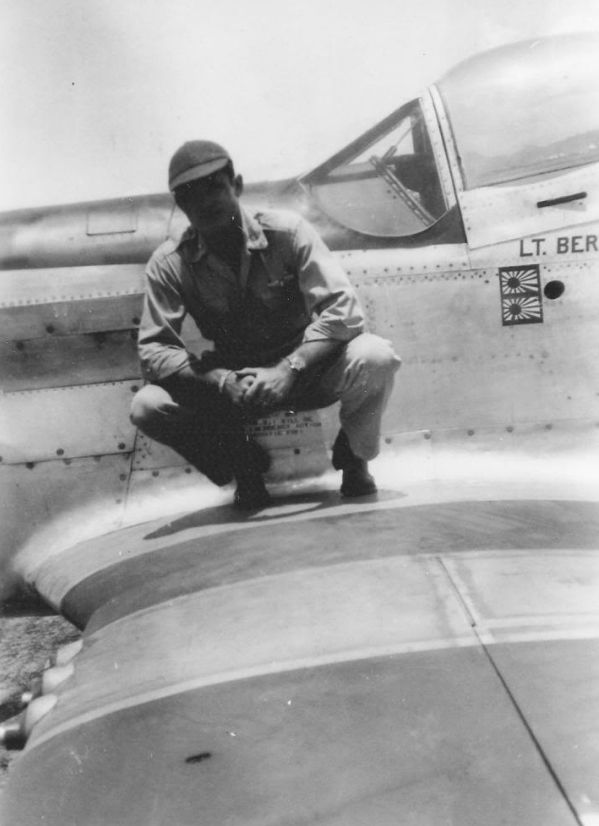
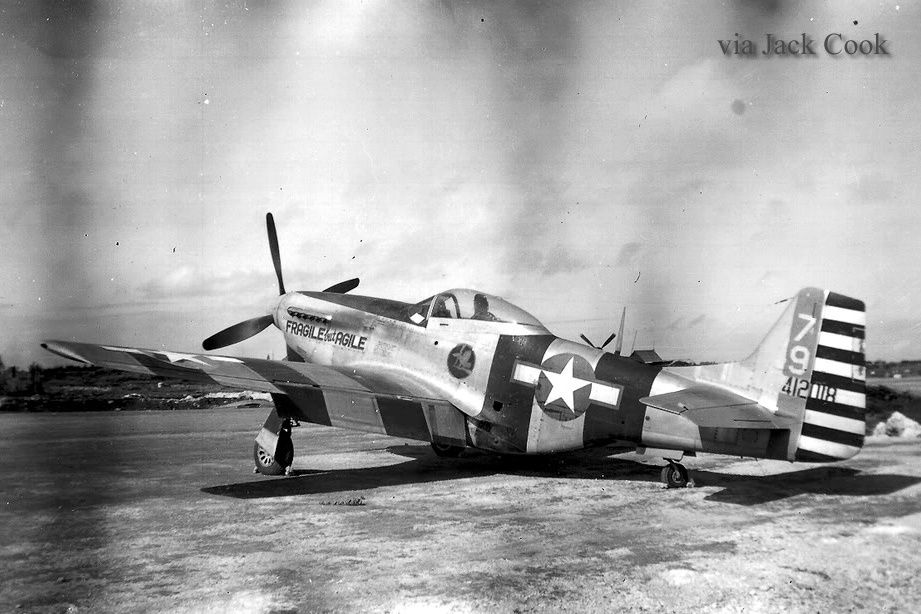
And for comparison, here is an original wartime photo of Lt. Bert Lee's Mustang - between this photo and the scribed letters and flags on the former TFC Mustang, there was not the smallest difference between them.
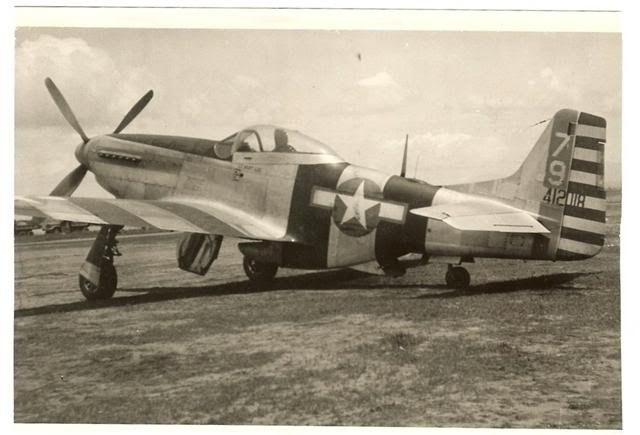
Unfortunately, all of the wartime photos of the aircraft only show the left side, and none exist of the right. In all of the photos, the tail number on the rudder ends with an 8, however the best they could figure, since everything pointed to this aircraft being 44-12016, was that when that section of the tail number was re-applied after the stripes were painted on the rudder, was that it was mistakenly painted as an 8. Within the markings on the restored example, they have it duplicated with 44-12018 on the left side, and since that last section of the tail number wouldn't have been removed/re-painted on the right side, it reads 44-12016.
The end results of the extensive research and restoration efforts from both parties, are two absolutely stunning P-51's.

And for comparison, here is an original wartime photo of Lt. Bert Lee's Mustang - between this photo and the scribed letters and flags on the former TFC Mustang, there was not the smallest difference between them.
Unfortunately, all of the wartime photos of the aircraft only show the left side, and none exist of the right. In all of the photos, the tail number on the rudder ends with an 8, however the best they could figure, since everything pointed to this aircraft being 44-12016, was that when that section of the tail number was re-applied after the stripes were painted on the rudder, was that it was mistakenly painted as an 8. Within the markings on the restored example, they have it duplicated with 44-12018 on the left side, and since that last section of the tail number wouldn't have been removed/re-painted on the right side, it reads 44-12016.
The end results of the extensive research and restoration efforts from both parties, are two absolutely stunning P-51's.

rgatkinson
Charter Member
Absolutely stunning John. Your dedication and attention to detail is to be applauded 
I note that the "Tear" like a lot of other ETO Mustangs have reversed swastika kill markings. I was wondering, is there any special significance to this? Is it human error on behalf of the orginal artist(s) or is it a very early example of censorship and/or political correctness?
Taff.
I note that the "Tear" like a lot of other ETO Mustangs have reversed swastika kill markings. I was wondering, is there any special significance to this? Is it human error on behalf of the orginal artist(s) or is it a very early example of censorship and/or political correctness?
Taff.
Martin, I'll definitely make sure to do that! They won't be able to be included in the product, but I will make them available for download.
Thank you. Much appreciated!