• There seems to be an uptick in Political comments in recent months. Those of us who are long time members of the site know that Political and Religious content has been banned for years. Nothing has changed. Please leave all political and religious comments out of the forums.

    If you recently joined the forums you were not presented with this restriction in the terms of service. This was due to a conversion error when we went from vBulletin to Xenforo. We have updated our terms of service to reflect these corrections.

    Please note any post refering to a politician will be considered political even if it is intended to be humor. Our experience is these topics have a way of dividing the forums and causing deep resentment among members. It is a poison to the community. We appreciate compliance with the rules.

    The Staff of SOH

  • Please see the most recent updates in the "Where did the .com name go?" thread. Posts number 16 and 17.

    Post 16 Update

    Post 17 Warning

Warbirdsim P-51D-5-NA Little Friends II OUT NOW! (Pay-ware)

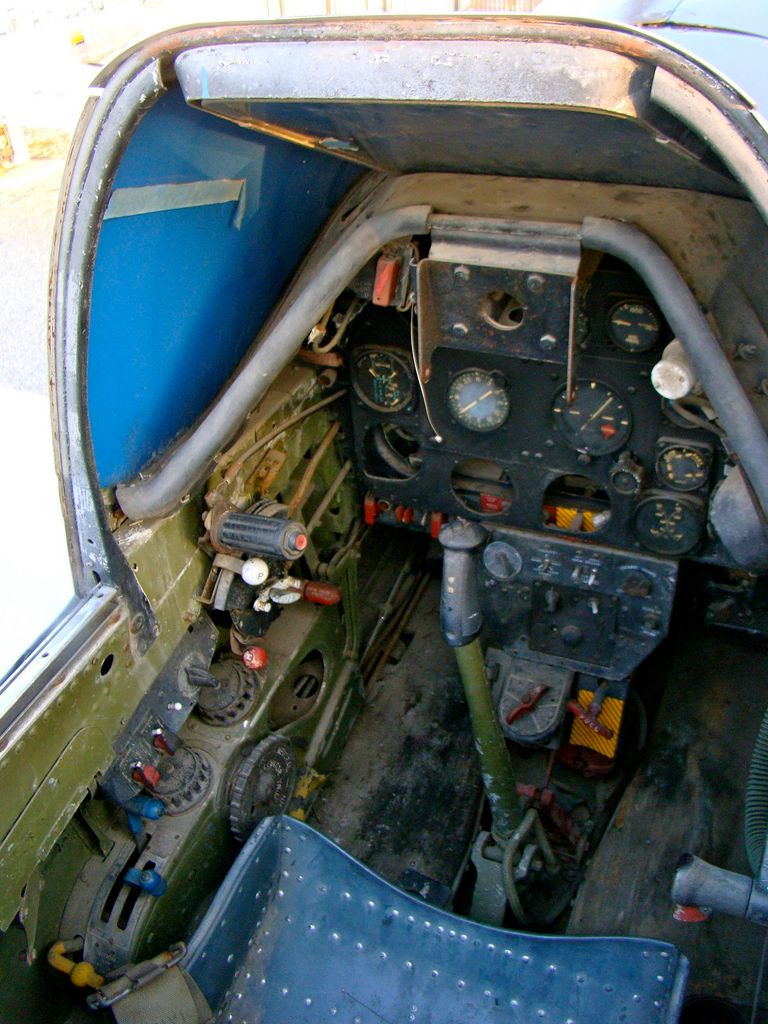
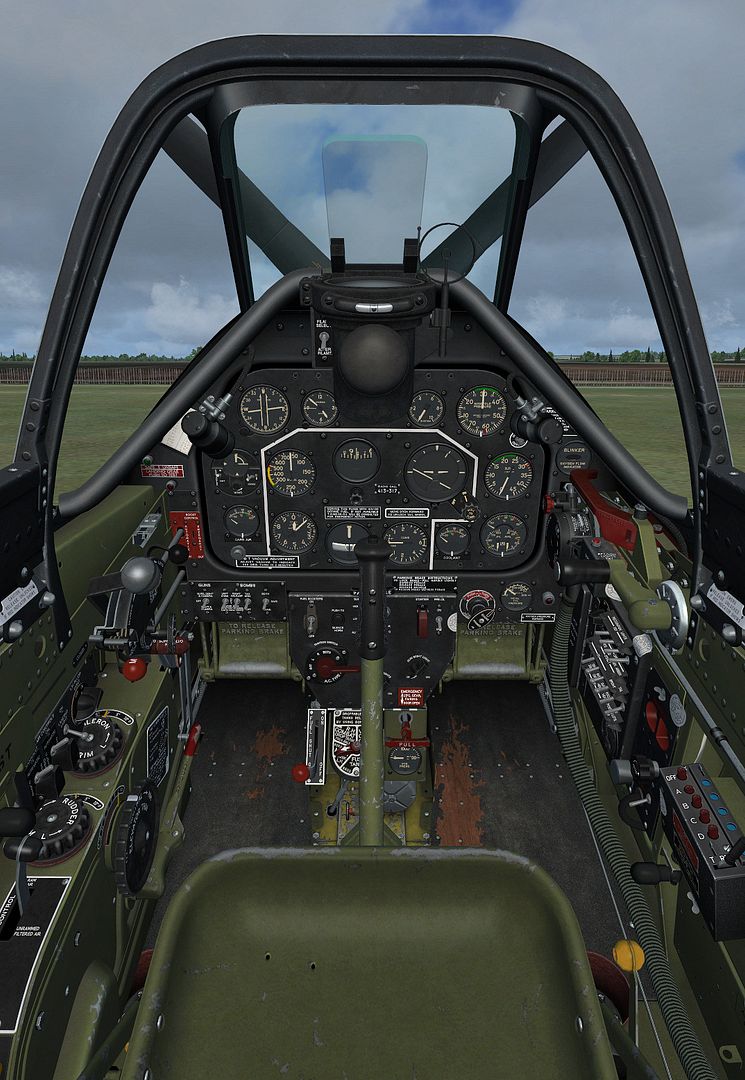
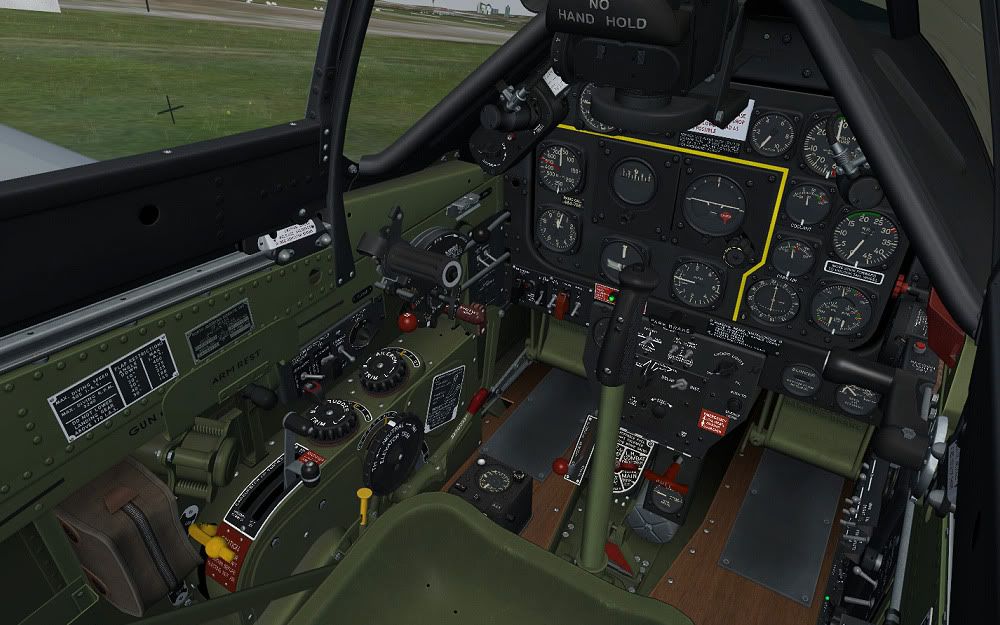
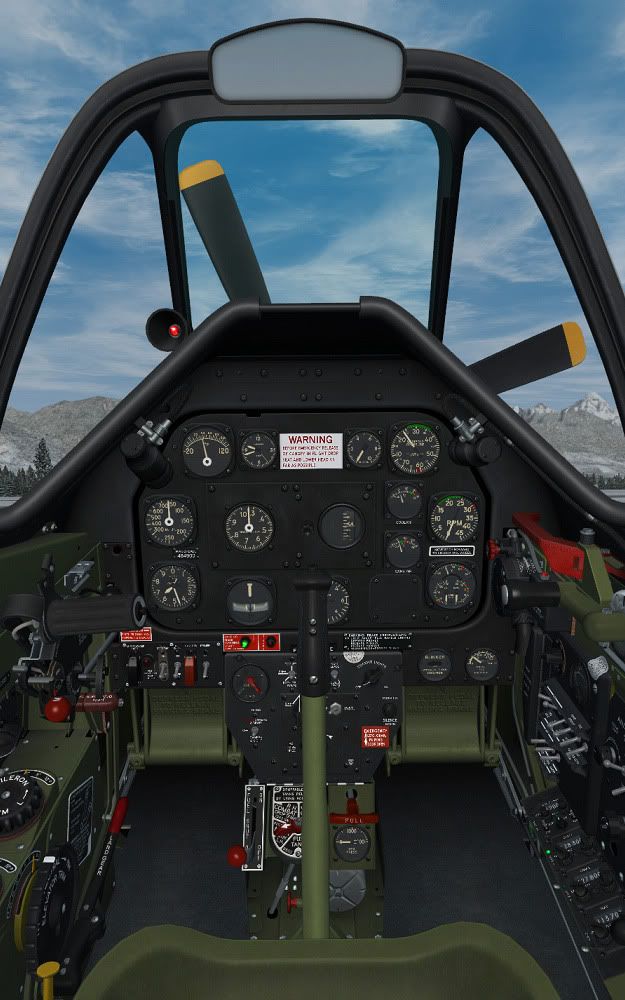
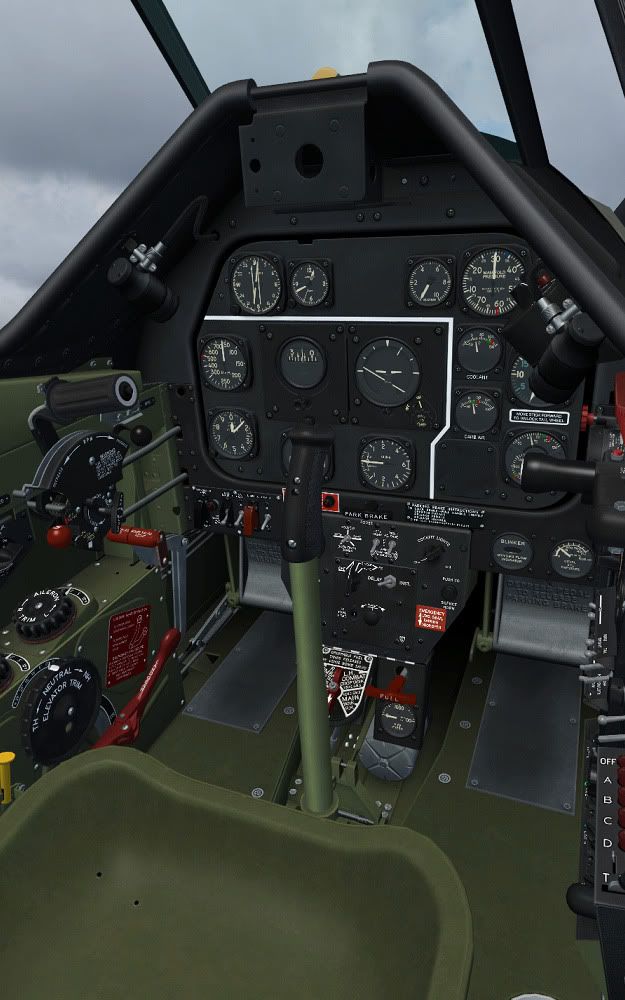
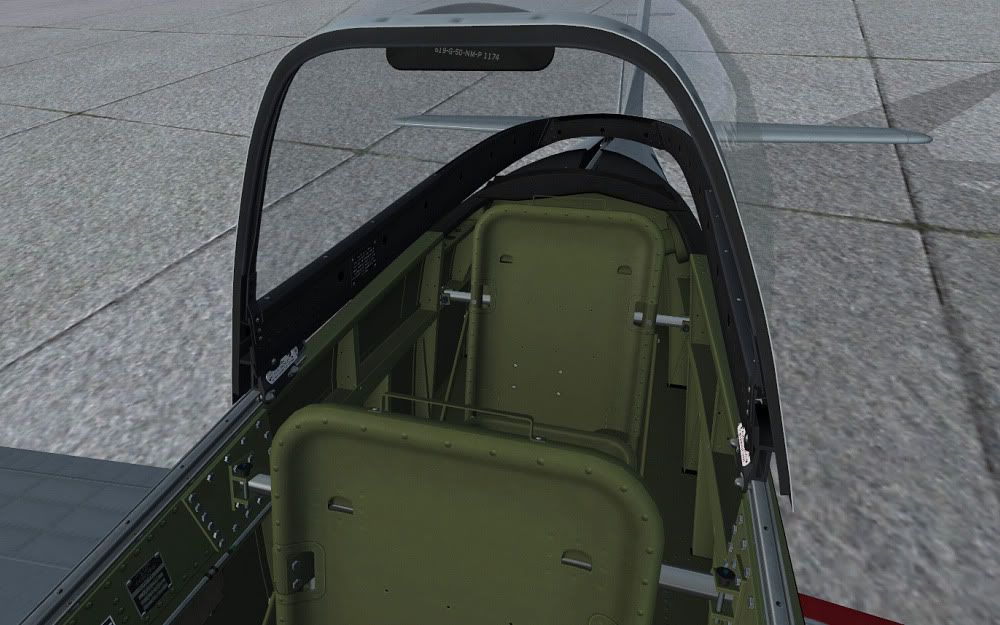
I know some probably might actually prefer even if the cockpit were to look something like this (we all know of a few warbird products that do sort of strive for this look), though this aircraft has been sitting outside, open to the elements, for the last 40+ years. P-51D's, the earliest of which enterred service in very late May/early June of 1944, would only ever have as much as 'several months' of time on them, at most. I'm not realling aiming this post, or a lot of the ones above, at Dougal's post, but aiming at just in-general, the various thoughts/feelings that may exist on the subject of cockpit weathering as a whole, and to illustrate some of the research that was undertaken, in order to arrive at what was produced.

P-51D-25Unrestored.jpg


LOL... :applause:

I very much appreciate the detailed and informative post John, but I think perhaps either you misunderstood my question, or I just wasn't clear enough...

I don't have 'Little Friends' at all. I only have the P51B - the Fighter Leader release. I was comparing to that. As shown below, this appears to look like it's just rolled of the production line.

However, by posting what you have, you've fully answered my question. I know I could've probably looked at pics on your sales website, but those often don't show exactly what appears when 'in motion' within FSX.

Keep your eyes on the 'Screenshot' thread:icon_lol:

Off to the WBS website:running:View attachment 54224
 
Having just visited the Warbirdsim site, I've come back here a little confused (yeh, yeh, I know, nothin new eh?) :wiggle:

Why are there soooooo many 'Ds' ??

Can I just purchase the latest and greatest and, if so, what am I missing without the earlier releases?
 
So very right John. Any P-51 was not very old at the end of the war. My belief is that pilots took aircraft to be their own and looked after them more often than not. They didn't leave them out in dust and dirt with canopy open. Weathering would be light to medium character in "famous" aircraft especially. Modern jets might show more wear and tear but after a decade of use and abuse from avionics techs. Plastic world seems to feel more weathering is more realistic in everything...my truck is 10 yrs old and its panel is not weathered! LOL

But John, the factory fresh Mustang has too much weathering. You heard that before, I know. Curious thought, in 1944, how many Mustangs still had that new airplane smell?
:icon_lol: Jim
 
You now have me intrigued John as to why there is more wear and scuff marks under the pilot's right foot and less under the left foot.
 
You now have me intrigued John as to why there is more wear and scuff marks under the pilot's right foot and less under the left foot.


My guess. and it is a guess is that it's something to do with having to compensate for the torque of the engine.

Taff
 
You now have me intrigued John as to why there is more wear and scuff marks under the pilot's right foot and less under the left foot.

One always enters the cockpit from the left side (at least 99.9% of the time), so the first foot into the cockpit is always the right foot (not really something I studied, but the wear patterns always back this up).
 
Having just visited the Warbirdsim site, I've come back here a little confused (yeh, yeh, I know, nothin new eh?) :wiggle:Why are there soooooo many 'Ds' ??Can I just purchase the latest and greatest and, if so, what am I missing without the earlier releases?

Dougal, you could be in for nights of reading each product page, to discover why there are four different D-model products. ; )

At the risk of sounding like a broken record -
The basic thing you have to understand, is that there wasn't just one "P-51D". Changes continued to be made, right on the production floor, throughout P-51D production. Every time a significant number of changes were to be incorporated, the production model changed. That is why it really does mean something, when you say P-51D-5-NA, P-51D-10-NA, P-51D-15-NA, etc... There are long lists, as originally written by North American Aviation, as I have in copied form, that document all of the changes between each of these production blocks. There were even numerous changes right during the middle of production block, making for 'early' and 'late' examples of one specific production model of the 'D'. (Just for one example, heading into P-51D-20-NA production, the P-51D had the N-9 reflector gun sight, no support for rocket mounts on the wings, and no tail warning radar, which meant that the cockpit electrical panels were of a type that reflected this. Part-way through P-51D-20-NA production, the K-14A gun sight was fitted, the wing was modified for the support of rocket launcher stubs on the wings, and a tail warning radar set was installed, requiring rather significant changes and additions to the cockpit, to provide rocket-firing capability, and the warning equipment for the tail radar.) Many don't know or realize, but the P-51D-5-NA to the P-51D-30-NA, is very much like the Spitfire Mk.1 to the Spitfire Mk.V - in both cases, there are several hundred changes, both minor and significant, between them. I can understand why it can be so hard to see this, as for years, every P-51D production that has come about (no matter it be the plastic-model industry, or flight simulator), ends up being very 'generalized' version of what someone might want to call a "P-51D", because the company did not want to, or maybe did not know better, to try and reproduce specific production block variants of the P-51D. For instance, producing a P-51D-5-NA, how many times has a company just gone about it, by taking a generalized P-51D-25-NA or D-30-NA (which are models of the P-51D, so late, that very, very few ever saw combat in WWII - but are the most predominant examples surviving today), and just knocked the dorsal fin fillet off. I'm sure that is fine to some I suppose, but it doesn't come close to making it a P-51D-5-NA (if you care about the details). Of course, today, with various restored Mustangs flying throughout the world, there are even more changes and unique differences from one example to the next, besides the differences that are traced to the aircraft's specific production model.

Starting with the Restored P-51D products, I wanted to reproduce examples, exactly as they are today, not just by creating one P-51D model, and changing the paint on them to match, but actually modeling and texturing each, inside and out, to match each example portrayed. This means that really, in just the "Restored Part 1" product alone, there are seven uniquely different aircraft (rather than one, with repaints). Each cockpit is different, matching the look and layout of the cockpit on the real-world example (as close as what could be accomplished in a reasonable amount of time).

In "Restored Part 2" of the P-51D's, the same was done as with on "Restored Part 1", but 8 more restored examples were selected, to be reproduced in the same manner.

With "Little Friends", this was the first product focused on WWII examples of the P-51D/K, featuring mid-model and very late model examples, with original WWII-era configurations and weathering to match the original examples depicted.

"Little Friends II", created as a continuation to "Little Friends", focused on just reproducing the P-51D-5-NA, to bring this, the earliest model of the production series of the P-51D, to FSX form (and by far the truest reproduction of the type for any simulator - which can be also said about all of the various P-51D-models produced by Warbirdsim). The amount of work required to do this, necessitated it being a dedicated product by itself.

As I have mentioned before, as time goes along, through added learning and experience each product is bound to get better, leaving the most recent better than the past. "Little Friends II" is the latest production released, but "Little Friends" is at the same level as it, especially if you download and install the "Little Friends Redux" pack that I produced a few weeks back, and for which you can find here at SOH. The "Restored" packs are showing their age a bit, in comparison, but I'll be working on fixing that over the next month or so (of course the results of which will be free to customers of the Restored products).
 
Coming your way "soon"

Snapped a couple of Kodaks while the paint was drying this afternoon.

2011-12-15_16-25-17-636.jpg


2011-12-15_16-22-36-802.jpg


2011-12-15_16-24-59-482.jpg


And when the paint was dry:

2011-12-15_16-39-15-47.jpg


2011-12-15_16-39-44-710.jpg


2011-12-15_16-40-39-778.jpg


2011-12-15_16-41-3-889.jpg


2011-12-15_16-41-15-723.jpg


Hopefully will be up tonight.
 
Dougal, you could be in for nights of reading each product page, to discover why there are four different D-model products. ; )

At the risk of sounding like a broken record -
The basic thing you have to understand, is that there wasn't just one "P-51D". Changes continued to be made, right on the production floor, throughout P-51D production. Every time a significant number of changes were to be incorporated, the production model changed. That is why it really does mean something, when you say P-51D-5-NA, P-51D-10-NA, P-51D-15-NA, etc... There are long lists, as originally written by North American Aviation, as I have in copied form, that document all of the changes between each of these production blocks. There were even numerous changes right during the middle of production block, making for 'early' and 'late' examples of one specific production model of the 'D'. (Just for one example, heading into P-51D-20-NA production, the P-51D had the N-9 reflector gun sight, no support for rocket mounts on the wings, and no tail warning radar, which meant that the cockpit electrical panels were of a type that reflected this. Part-way through P-51D-20-NA production, the K-14A gun sight was fitted, the wing was modified for the support of rocket launcher stubs on the wings, and a tail warning radar set was installed, requiring rather significant changes and additions to the cockpit, to provide rocket-firing capability, and the warning equipment for the tail radar.) Many don't know or realize, but the P-51D-5-NA to the P-51D-30-NA, is very much like the Spitfire Mk.1 to the Spitfire Mk.V - in both cases, there are several hundred changes, both minor and significant, between them. I can understand why it can be so hard to see this, as for years, every P-51D production that has come about (no matter it be the plastic-model industry, or flight simulator), ends up being very 'generalized' version of what someone might want to call a "P-51D", because the company did not want to, or maybe did not know better, to try and reproduce specific production block variants of the P-51D. For instance, producing a P-51D-5-NA, how many times has a company just gone about it, by taking a generalized P-51D-25-NA or D-30-NA (which are models of the P-51D, so late, that very, very few ever saw combat in WWII - but are the most predominant examples surviving today), and just knocked the dorsal fin fillet off. I'm sure that is fine to some I suppose, but it doesn't come close to making it a P-51D-5-NA (if you care about the details). Of course, today, with various restored Mustangs flying throughout the world, there are even more changes and unique differences from one example to the next, besides the differences that are traced to the aircraft's specific production model.

Starting with the Restored P-51D products, I wanted to reproduce examples, exactly as they are today, not just by creating one P-51D model, and changing the paint on them to match, but actually modeling and texturing each, inside and out, to match each example portrayed. This means that really, in just the "Restored Part 1" product alone, there are seven uniquely different aircraft (rather than one, with repaints). Each cockpit is different, matching the look and layout of the cockpit on the real-world example (as close as what could be accomplished in a reasonable amount of time).

In "Restored Part 2" of the P-51D's, the same was done as with on "Restored Part 1", but 8 more restored examples were selected, to be reproduced in the same manner.

With "Little Friends", this was the first product focused on WWII examples of the P-51D/K, featuring mid-model and very late model examples, with original WWII-era configurations and weathering to match the original examples depicted.

"Little Friends II", created as a continuation to "Little Friends", focused on just reproducing the P-51D-5-NA, to bring this, the earliest model of the production series of the P-51D, to FSX form (and by far the truest reproduction of the type for any simulator - which can be also said about all of the various P-51D-models produced by Warbirdsim). The amount of work required to do this, necessitated it being a dedicated product by itself.

As I have mentioned before, as time goes along, through added learning and experience each product is bound to get better, leaving the most recent better than the past. "Little Friends II" is the latest production released, but "Little Friends" is at the same level as it, especially if you download and install the "Little Friends Redux" pack that I produced a few weeks back, and for which you can find here at SOH. The "Restored" packs are showing their age a bit, in comparison, but I'll be working on fixing that over the next month or so (of course the results of which will be free to customers of the Restored products).

Thanks for all that.

I went ahead and bought LF2 last night. Without doubt, you and your coders have come a long way from the 'Fighter Leader' release.

Like you say, I obviously have a lot of reading and study ahead of me, in order to learn about the P51 generally. Oddly I'm sure, I actually much prefer the shape and look of the P51B over the P51D. I love the visibilty that bubble provides though. No doubt it also saved a few lives in it's time too.

I guess there's an engine change from the B to the D too is there? The sounds are VERY different. Again, oddly enough, I like the B sounds best - a much deeper rumble.

While on the sound subject, I'm intregued about that P51 'whistle' at speed. What cases it? Is it simply the aerodynamics?

Another question....? All you guys doing those ammazing repaints - how do I determine which variant they are for?

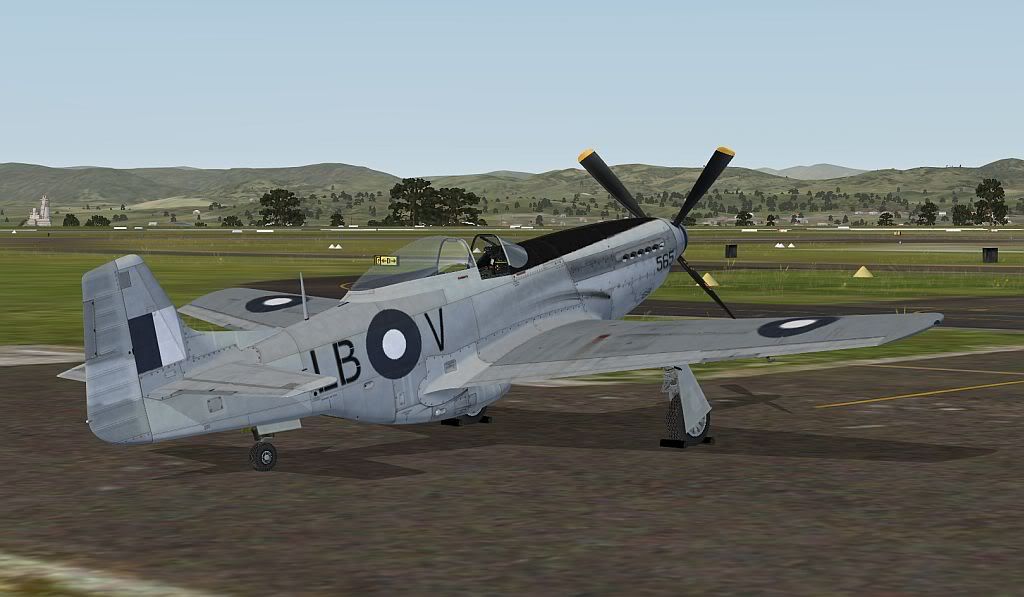
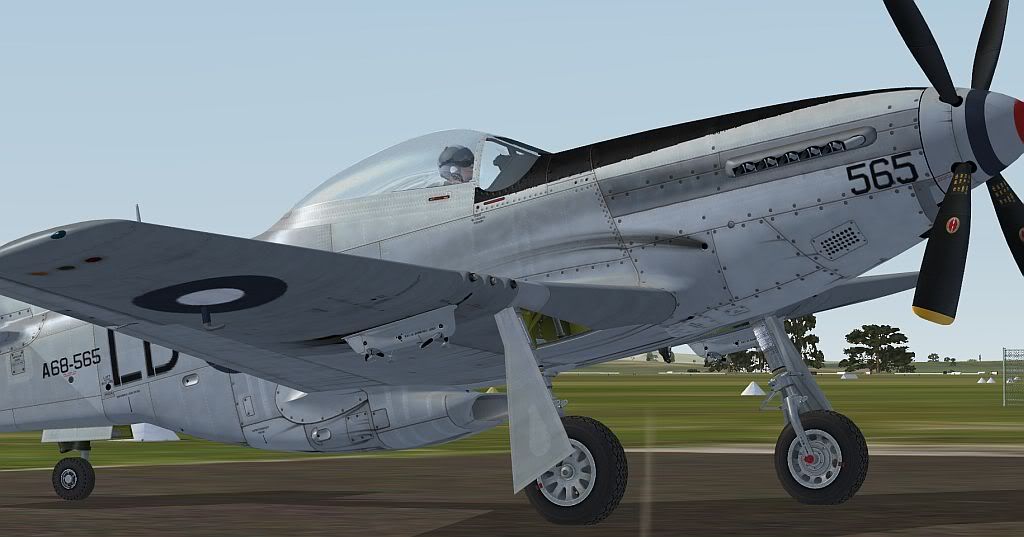
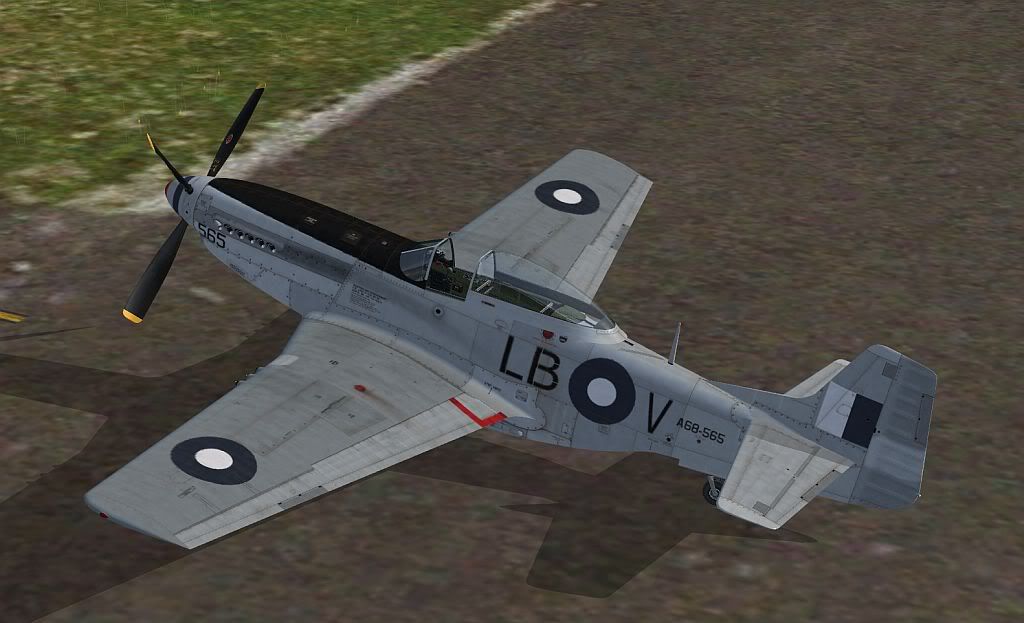
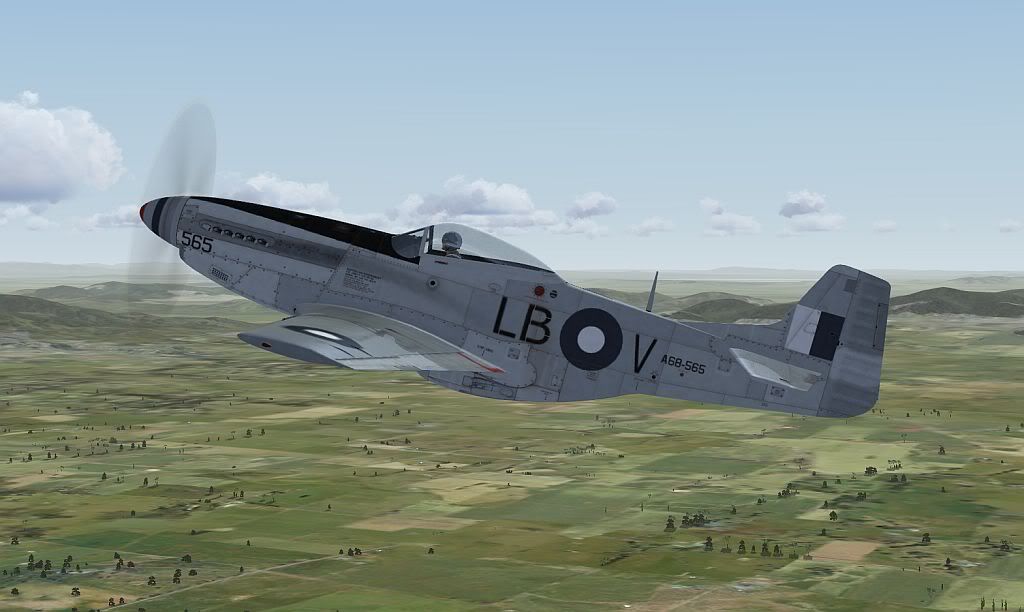
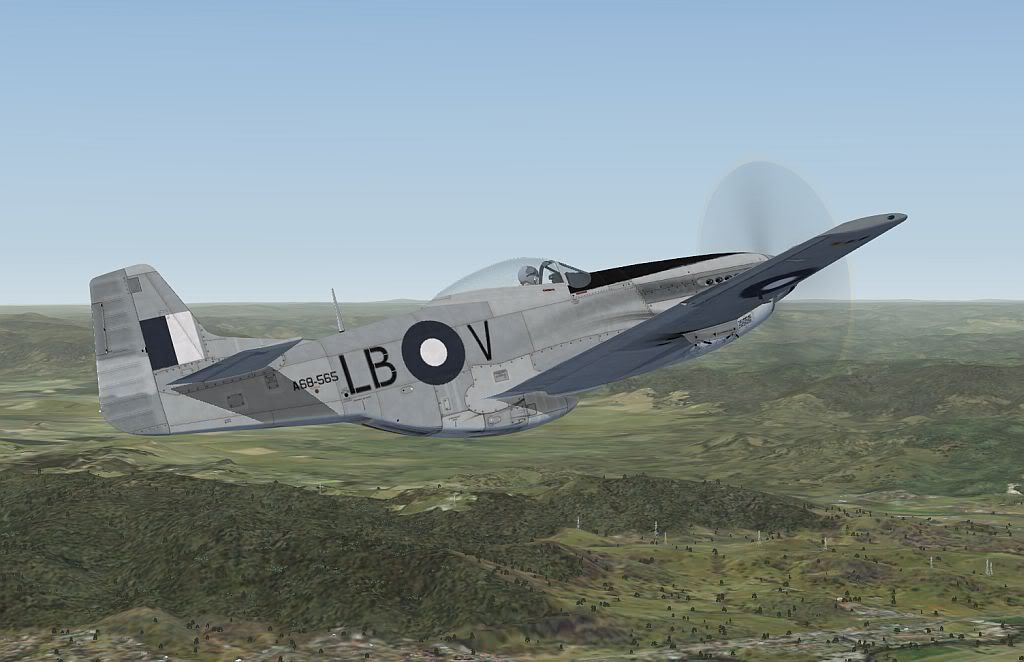
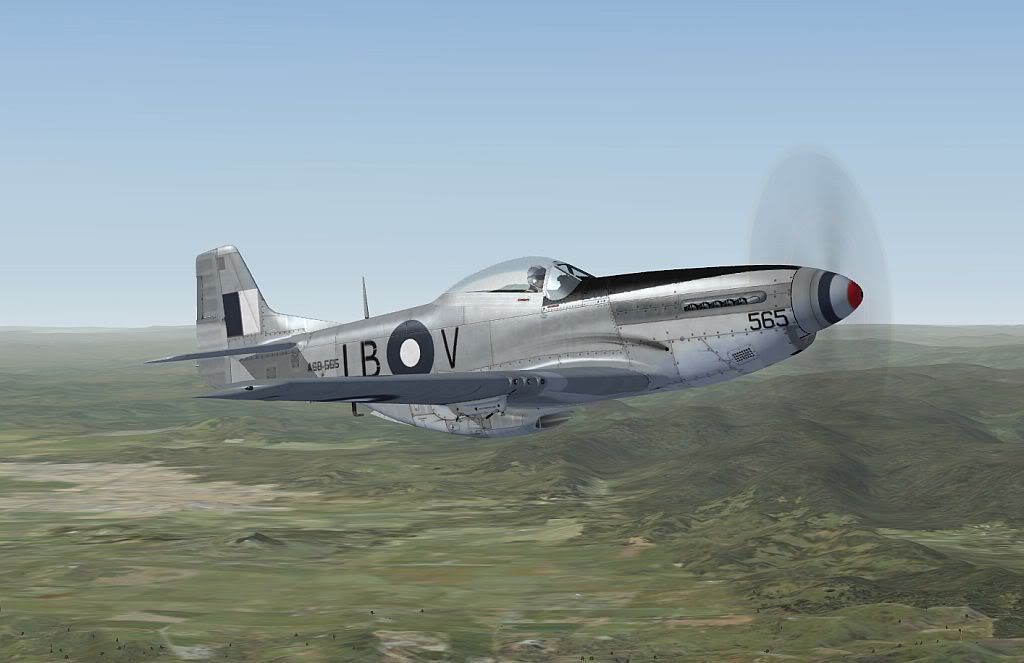
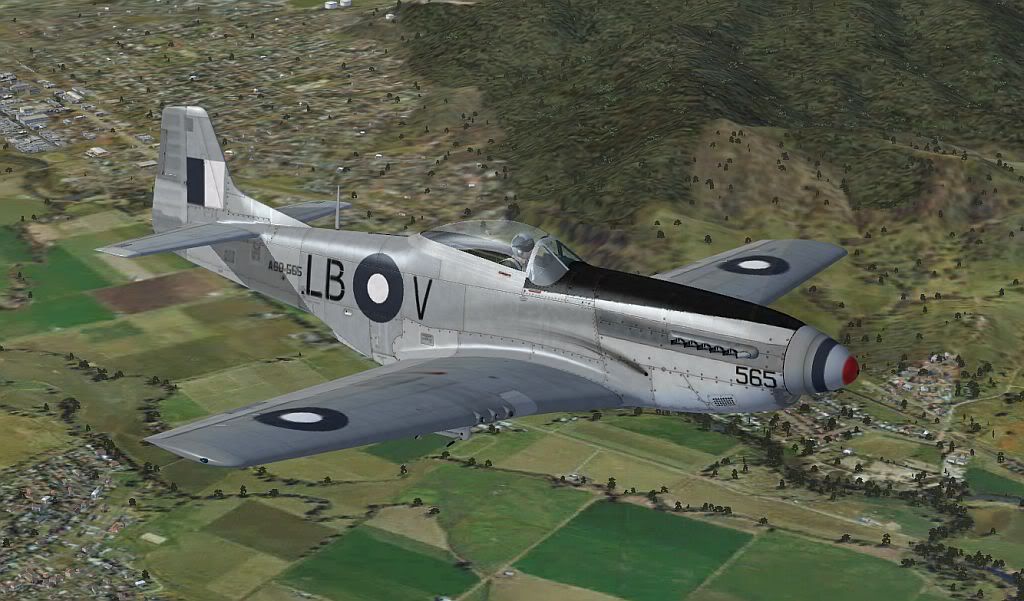
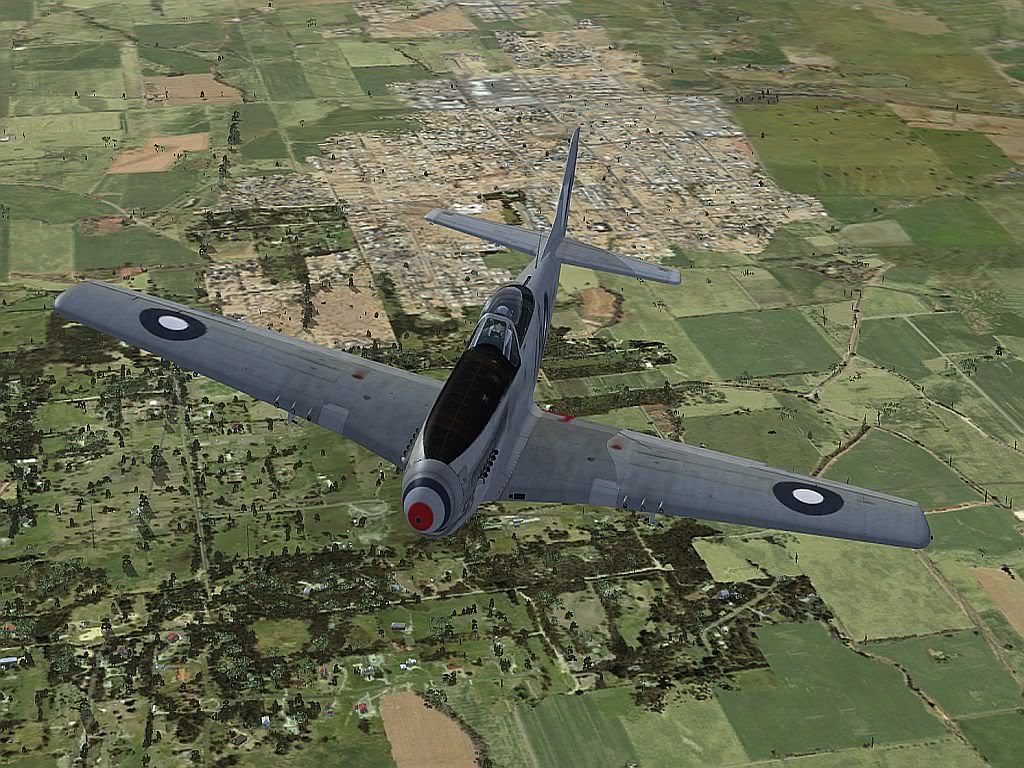
EDIT: Where are all these wonderful paints hiding? So far I've only found Pat's new RAAF above, in here.
 
Another question....? All you guys doing those ammazing repaints - how do I determine which variant they are for?

EDIT: Where are all these wonderful paints hiding? So far I've only found Pat's new RAAF above, in here.

If all is well, the variant are noted in the readme file with each paint. When I did my first paints, there was only the first package, so when noting is noted, it's for the first (restored) package.
My paints are all on OZX
 
If all is well, the variant are noted in the readme file with each paint. When I did my first paints, there was only the first package, so when noting is noted, it's for the first (restored) package.
My paints are all on OZX

Okay, thanks.

I guess that means I have to download every repaint before I know if I can use it for Little Friends II then?
 
Thanks for all that.

I went ahead and bought LF2 last night. Without doubt, you and your coders have come a long way from the 'Fighter Leader' release.

Like you say, I obviously have a lot of reading and study ahead of me, in order to learn about the P51 generally. Oddly I'm sure, I actually much prefer the shape and look of the P51B over the P51D. I love the visibilty that bubble provides though. No doubt it also saved a few lives in it's time too.

I guess there's an engine change from the B to the D too is there? The sounds are VERY different. Again, oddly enough, I like the B sounds best - a much deeper rumble.

While on the sound subject, I'm intregued about that P51 'whistle' at speed. What cases it? Is it simply the aerodynamics?

Another question....? All you guys doing those ammazing repaints - how do I determine which variant they are for?

EDIT: Where are all these wonderful paints hiding? So far I've only found Pat's new RAAF above, in here.


Dougal,

First of all, I'm quite flattered about the statement regarding "me and my coders"...as if it were that big of an operation! ; ) Each production has just been the work of mine and WarBert's (Albert Patrick). I handle every bit of the modeling, texturing, animation, coding, effects, etc., with Albert producing the flight dynamics and the sound work. Between the original release of the "Fighter Leader" product, and the latest "Little Friends II", there was about 3+ years of time in-between, along with a tremendously larger amount of resources that were utilized (including original factory-produced drawings), so it easy to see why there may be such a big difference in quality and complexity between them.

Regarding the sounds, we had some sources to record for the Merlin engine, which were okay, when working on the B/C's, but by the time we were working on the D-models, we were able to secure better sources, actually recording the sounds from an airworthy example, the P-51D "Jumpin Jacques" in the UK (for which we worked very closely with the owner). The sounds featured with the D-model productions, were recorded outside of this aircraft, during high-power break-in runs, and from within the cockpit during an entire flight. The 'whistle' is only present on D-models, and not any of the earlier models (despite the B/C's having the same engine as the D's). The reason, is because it is the gun ports on the D-models that causes the whistle (the gun ports on the A's and B's are of course very different, and don't create the same effect). Every now and then, there are still some 'armchair experts' that will claim, without a doubt, that the whistle is from the intakes, or from the 'supercharger', etc., but it has actually been proven, by more than one Mustang owner/pilot, that it is the gun ports on the D-models that causes the whistle, as putting tape over the guns/gun ports, prevents the whistle effect. Depending on the specific angle of the guns as mounted (they are adjustable), some Mustangs have more pronounced 'whistles' than others. As has been mentioned before, if you don't care to keep the whistle, it can be easily hash-marked out, or simply removed from the soun.cfg file.

You probably already are realising it by now, but the D-model products, with the thinking behind them, were done in such a way, so as to provide accuracy and authenticity that had never been provided before. If you are already well-read on the Mustang, it is easier to understand this, but if not, it provides for a lot of learning.

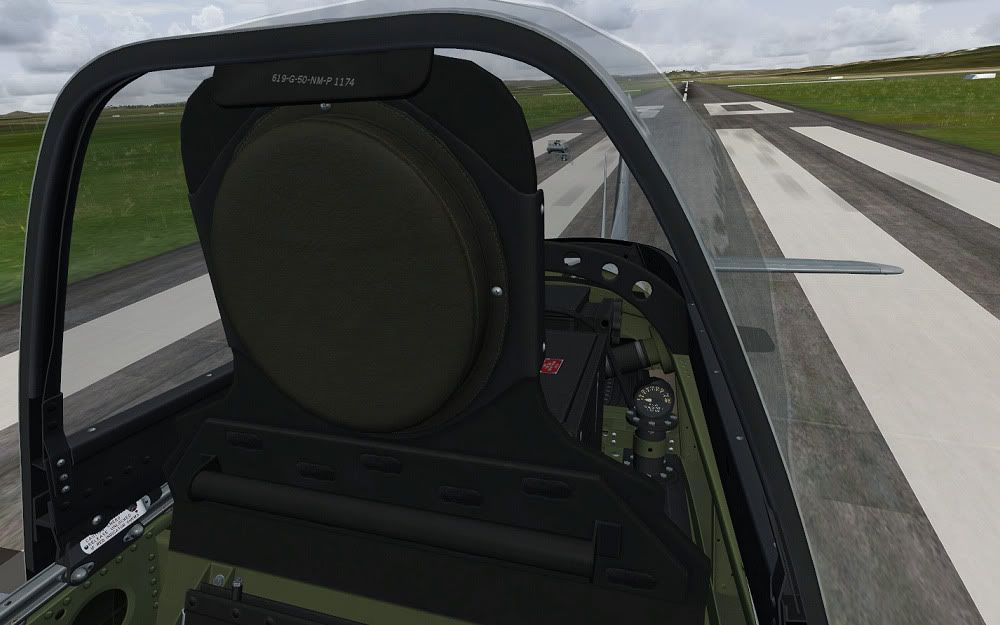
I'm very thankful for your purchase of "Little Friends II", and I hope you enjoy it and can learn a lot from it! It, along with the other Warbirdsim P-51D-themed products, are meant to finally show what they really did look like during WWII, and also how they appear today. With a mindset for accuracy and attention to detail, I hope a lot of people can appreciate the fact that just simple things, like the canopy framing and instrument panel shroud design, is accurate to a 'T', meaning that when you are seated in the cockpit, the canopy framing and shaping of the instrument panel shroud, over the top of the instrument panel, has all of the same lines and proportions as that of the real thing, so the views that you get, looking forward, is not distorted or false, but is as it would be if you were to go out and sit in a P-51D today, or back in 1944. The same of course goes for any part/assembly around the cockpit, so no matter where you look, it provides you this same level of depth and authenticity. The same can also be said about the exterior, with the ability to match screenshots to photos, and have all of the details and contours line up.
 
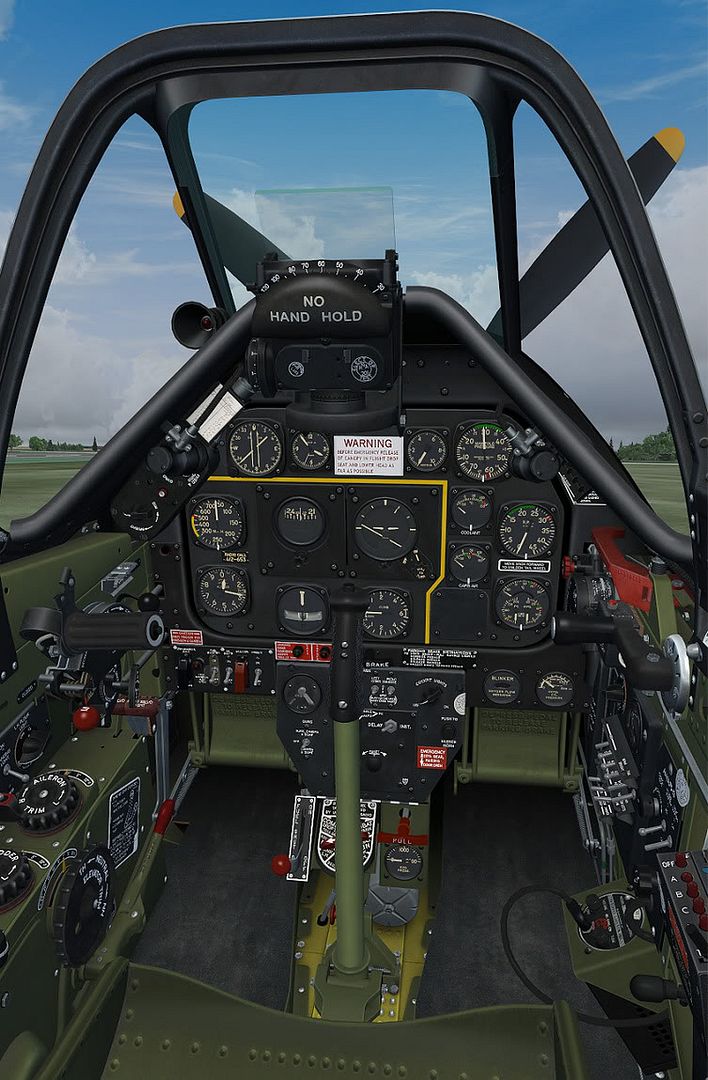
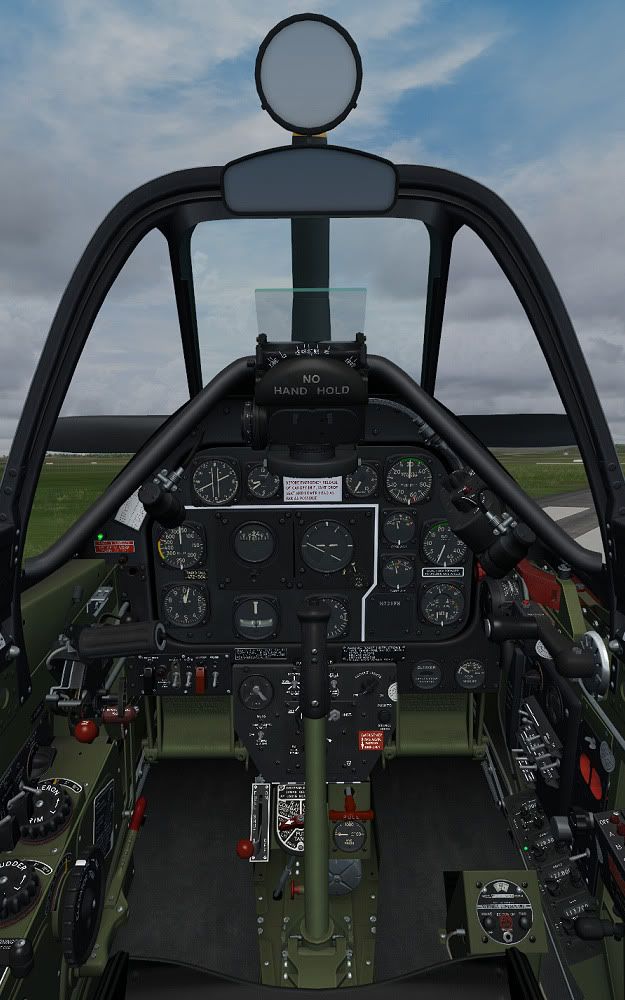
I know I've shown it before, but I can't think of a much clearer illustration as to how different one "D-model" can be from the next. Notice the various changes in electrical panel configurations, instrument panel configurations, various differences in finishes, different gun sights, sometimes different gages, etc.

P-51D-5-NA Mustang, as would be seen in the summer of 1944, as featured in "Little Friends II"

Image1.jpg


P-51K-15-NT/P-51D-30-NA Mustang, as would be seen rolling off the assembly line in the summer of 1945 (too late for action in WWII), as featured in "Little Friends".

p51k_raf7.jpg


Restored late-model P-51D-20-NA "Upupa Epops" as featured in "Restored Part 1"

Image6-5.jpg


Restored F-6D Mustang "Lil' Margaret" as featured in "Restored Part 1".

Image14-5.jpg


P-51D-25-NT "NACA 127" as featured in "Restored Part 1".

Image5-7.jpg


Restored P-51D-20-NA "Moose" as featured in "Restored Part 2".

Moose_13.jpg


Through the restored products, you also get several examples, as most D-models are today, with the aft-section of the cockpit modified, with the removal of the original fuselage fuel tank, radio rack, radios, battery, armor plate, and seat, and the addition of a rear seat and a modified pilot's seat that 'tilts' forward, to allow access to the back.

Stock configuration:

Image10-4.jpg


Rear-seat modified:

Image7-6.jpg
 
Okay, thanks.

I guess that means I have to download every repaint before I know if I can use it for Little Friends II then?

No, these are the recent ones, and it is marked on the page (P-51D-5).
In short, for LF2 package there are MC-U, MC-T, KI-S, KI-N and WR-J. the others are all for the other packages. They may fit the fillet model of LF2, but I'm not sure, you'd have to try for yourself.
 
No, these are the recent ones, and it is marked on the page (P-51D-5).
In short, for LF2 package there are MC-U, MC-T, KI-S, KI-N and WR-J. the others are all for the other packages. They may fit the fillet model of LF2, but I'm not sure, you'd have to try for yourself.

Thanks for the info. Offskie now to download some then...:running:

...and ANOTHER big thanks to john for yet more detailed info on this baby. I most certainly AM NOT up on information for any of the P51s, so all your data is great.
 
Dougal, the repaints I have uploaded to OZx are for the Restored Pt2 model but in the cfg file you may be able to change the Model to suit one from Little Friends II. Some of my future repaints will include Little Friends II.
 
FOOL's PARADISE IV - almost ready

Just applying the finishing touches to this repaint. Should be available this coming weekend all being well. :icon_lol:

John, whilst testing this repaint I appear to have activated a 'secret' version of the Mustang (see screenshot) that is weird to say the least. The NA engineers must have been enjoying a few beers when this one got off the drawing board! :icon_lol:

Taff
 
Just applying the finishing touches to this repaint. Should be available this coming weekend all being well. :icon_lol:

John, whilst testing this repaint I appear to have activated a 'secret' version of the Mustang (see screenshot) that is weird to say the least. The NA engineers must have been enjoying a few beers when this one got off the drawing board! :icon_lol:

Taff

It is looking great Taff, but I would urge you to look at the squadron codes a little closer. Check the shape of the font, especially the thickness of the A's and the shape of the 9. Also notice they have an outline where they enter the o.d. green area of the overpainted invasion stripes.
 
Back
Top